

Varmora Granito Q2FY27 Results: Net profit up 37% YoY to ₹233 crore


- Standalone net profit rose 37% YoY to ₹232.86 million in Q2FY27
- Revenue from operations increased 17% YoY to ₹3,870.64 million
- Consolidated net profit jumped 206% YoY to ₹439.55 million
- Depreciation policy change boosted standalone net profit by ₹79.01 million
- Cash and cash equivalents rose to ₹3,716.06 million post-IPO proceeds

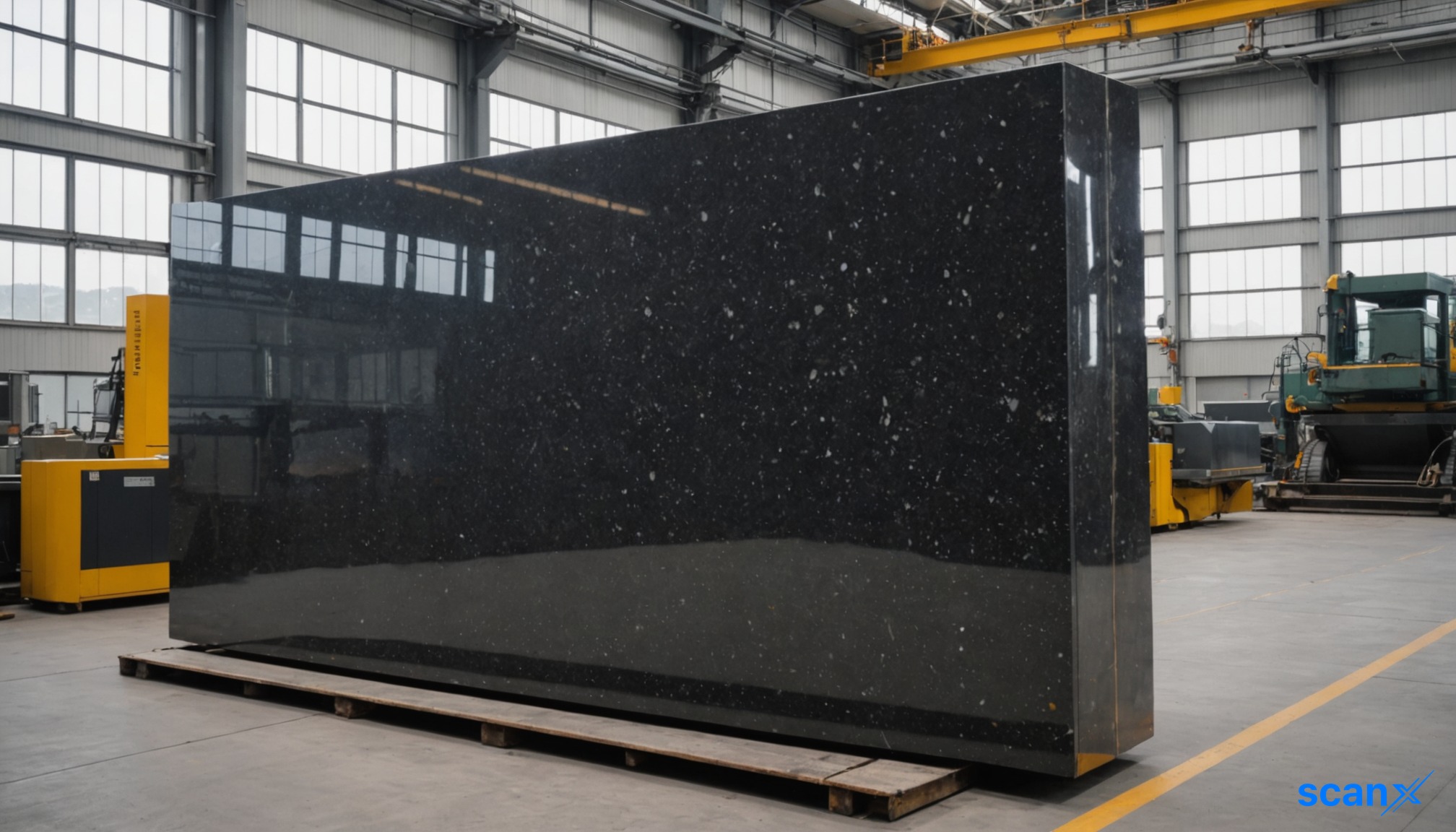

*this image is generated using AI for illustrative purposes only.
Varmora Granito Limited reported a 37% year-on-year increase in standalone net profit for the quarter ended September 30, 2026 (Q2FY27), reaching ₹232.86 million. The tiles manufacturer’s revenue from operations grew 17% YoY to ₹3,870.64 million, reflecting robust demand in the sector.
The company’s board approved the unaudited financial results for Q1FY27 and Q2FY27 on October 19, 2026. These are the first quarterly results following the company’s listing on stock exchanges on September 29, 2026, after completing an IPO of ₹7,080 million.
Standalone Financial Performance
The standalone P&L shows significant improvement compared to the previous year and the preceding quarter. While QoQ profit growth was moderated by an exceptional item related to the sale of Simola Tiles LLP, the underlying operational performance remained strong.
| Metric | Q2FY27 | Q2FY26 | Change |
|---|---|---|---|
| Revenue from operations | ₹3,870.64 million | ₹3,308.41 million | +17.0% |
| Total Income | ₹3,913.62 million | ₹3,543.99 million | +10.4% |
| Profit Before Tax | ₹298.22 million | ₹239.07 million | +24.7% |
| Net Profit | ₹232.86 million | ₹169.93 million | +37.0% |
| EPS (Basic) | ₹1.15 | ₹0.84 | +36.9% |
Consolidated Performance
On a consolidated basis, the group recorded a net profit of ₹439.55 million for Q2FY27, up from ₹143.77 million in Q2FY26. Consolidated revenue rose 8.7% YoY to ₹3,989.66 million. The consolidated results include contributions from subsidiaries such as Covertek Ceramica and Varmora Sanitarywares.
| Metric | Q2FY27 | Q2FY26 | Change |
|---|---|---|---|
| Revenue from operations | ₹3,989.66 million | ₹3,668.25 million | +8.7% |
| Profit Before Tax | ₹512.23 million | ₹212.59 million | +141.0% |
| Net Profit | ₹439.55 million | ₹143.77 million | +205.7% |
What the Numbers Show
A key analytical observation is the impact of accounting policy changes on profitability. Effective April 1, 2026, Varmora changed its depreciation method from diminishing balance to straight-line. The company disclosed that had the previous method been used, depreciation would have been higher by ₹105.58 million for the quarter, reducing net profit by ₹79.01 million. This change accounts for approximately 34% of the reported standalone net profit for Q2FY27, indicating that a significant portion of the profit growth is attributable to this non-operational accounting adjustment rather than pure operational expansion.
Additionally, the standalone net profit was impacted by an exceptional loss of ₹178.67 million due to the sale of Simola Tiles LLP. Without this one-time charge, standalone profit before tax would have been significantly higher, aligning more closely with the strong revenue growth trajectory.
Balance Sheet and Cash Flow
The balance sheet reflects a substantial strengthening of liquidity post-IPO. Cash and cash equivalents surged to ₹3,716.06 million as of September 30, 2026, up from ₹811.58 million at March 31, 2026. This influx is primarily due to IPO proceeds of ₹2,960.43 million received during the half-year.
Net cash flow from operating activities stood at ₹771.89 million for H1FY27, compared to ₹383.33 million in H1FY26. Working capital management showed mixed signals; while trade receivables decreased slightly, inventories increased by ₹388.10 million during the half-year, suggesting potential inventory build-up ahead of future demand or seasonal factors.
Historical Stock Returns for Varmora Granito
| 1 Day | 5 Days | 1 Month | 6 Months | 1 Year | 5 Years |
|---|---|---|---|---|---|
| +5.95% | +0.90% | -8.50% | -8.50% | -8.50% | -8.50% |

How will Varmora deploy the ₹2,960 million in IPO proceeds to expand capacity or acquire assets, and what is the expected timeline for this capital allocation?
Given that 34% of Q2FY27 standalone net profit was driven by a depreciation method change, what is the underlying operational profit growth excluding this accounting adjustment?
What are the specific drivers behind the ₹388 million increase in inventories, and how does management plan to mitigate potential obsolescence risks in the coming quarters?
 15




 Create Custom Screeners
 Access 200+ Pre-built Filters
 Use 50+ Readymade Screener





