Saudi Arabia slashes crude prices for Asia as exports recover

scanx
Reviewed by
Ritika DScanX News Team
Key Highlights
  • Saudi Arabia reduces crude oil prices for Asian buyers
  • Export volumes are recovering, influencing the price cut
  • Move aims to maintain competitiveness in key markets
powered bylight_fuzz_icon
52743128

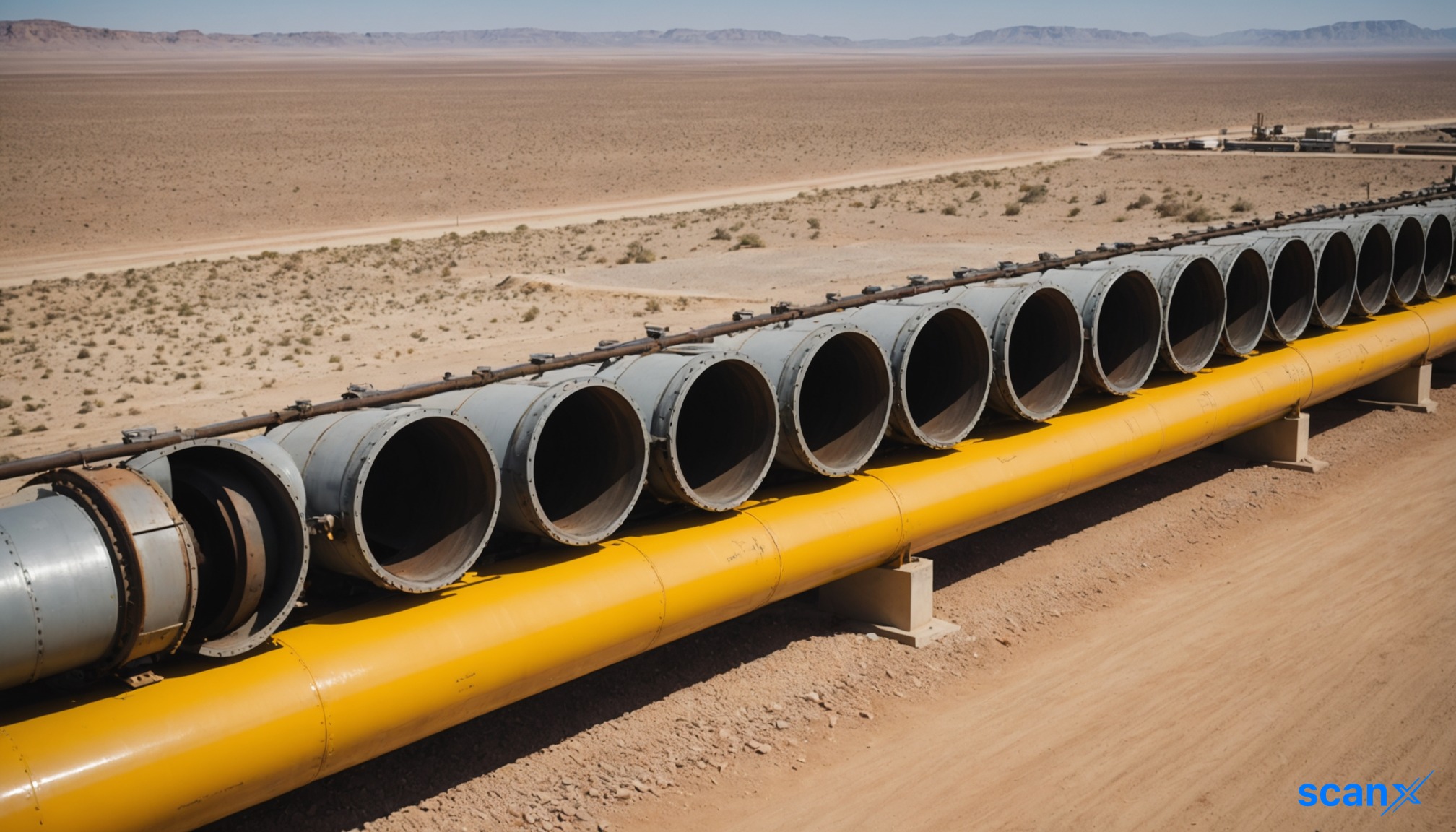
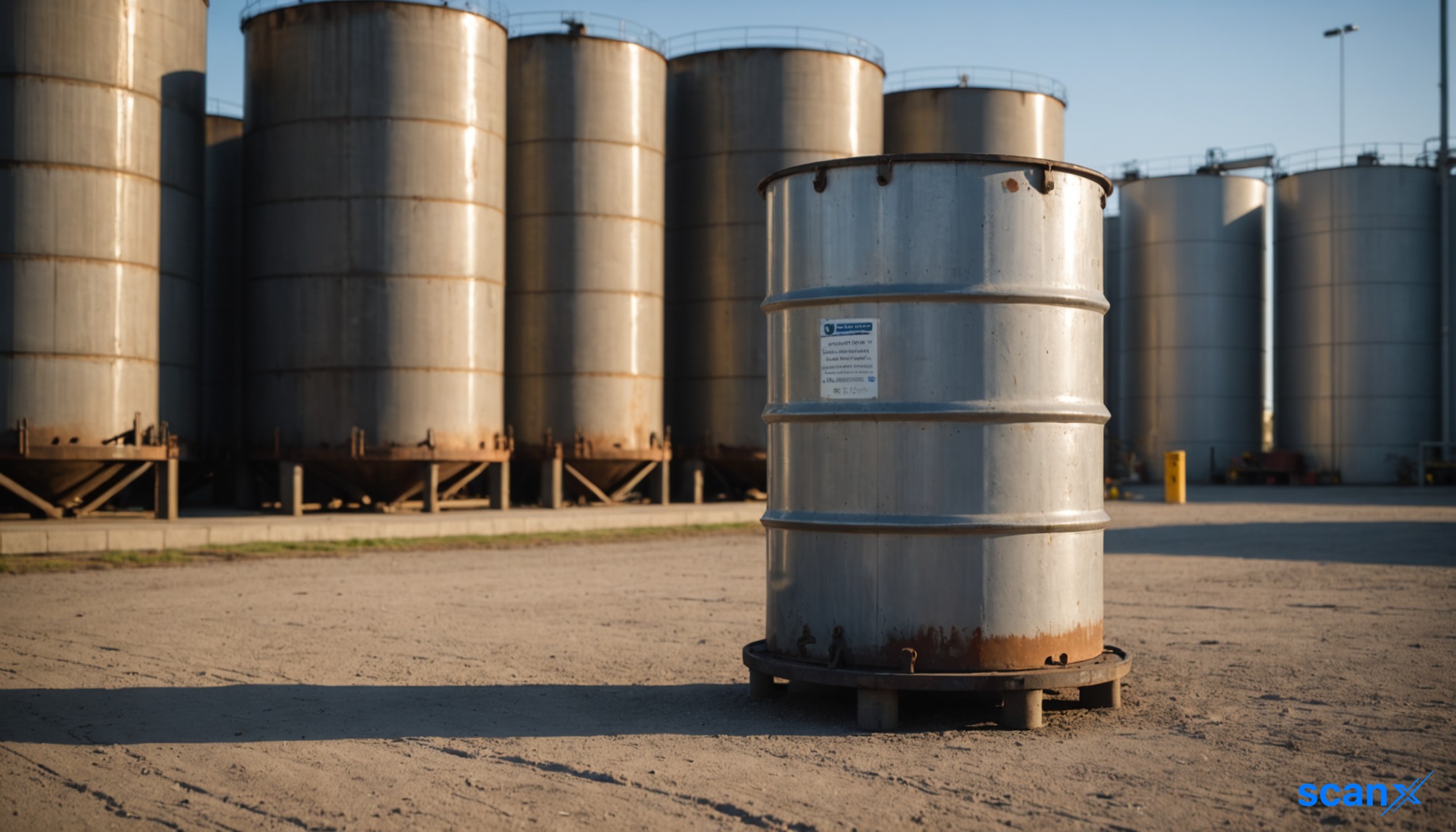
*this image is generated using AI for illustrative purposes only.

Saudi Arabia has slashed crude oil prices for its Asian customers. The adjustment comes as the kingdom’s oil exports show signs of recovery.

This pricing decision reflects Saudi Aramco’s strategy to remain competitive in the key Asian market. The move aligns with broader efforts to stabilize revenue streams amidst fluctuating global demand.

The reduction targets various grades of crude supplied to the region. Asian refiners, who are major buyers of Saudi crude, will benefit from lower input costs. This could potentially improve their refining margins in the near term.

Disclaimer: This article is AI-generated using data from ViewTrade. ScanX is not liable for any inaccuracies.

How might OPEC+ react to Saudi Arabia's unilateral price cuts, and could this trigger a broader production war?

Will the lower crude costs for Asian refiners translate into reduced retail fuel prices or primarily boost corporate margins?

What impact will this pricing strategy have on Saudi Aramco's long-term revenue projections and fiscal budget planning?

like19
dislike

Saudi East-West oil pipeline flowing as normal, report says

scanx
Reviewed by
Ritika DScanX News Team
Key Highlights
  • Saudi East-West pipeline reported to be flowing as normal
  • Contradicts earlier reports of flow exceeding 80% capacity
  • Strategic alternative to Strait of Hormuz shipping routes
powered bylight_fuzz_icon
52486825

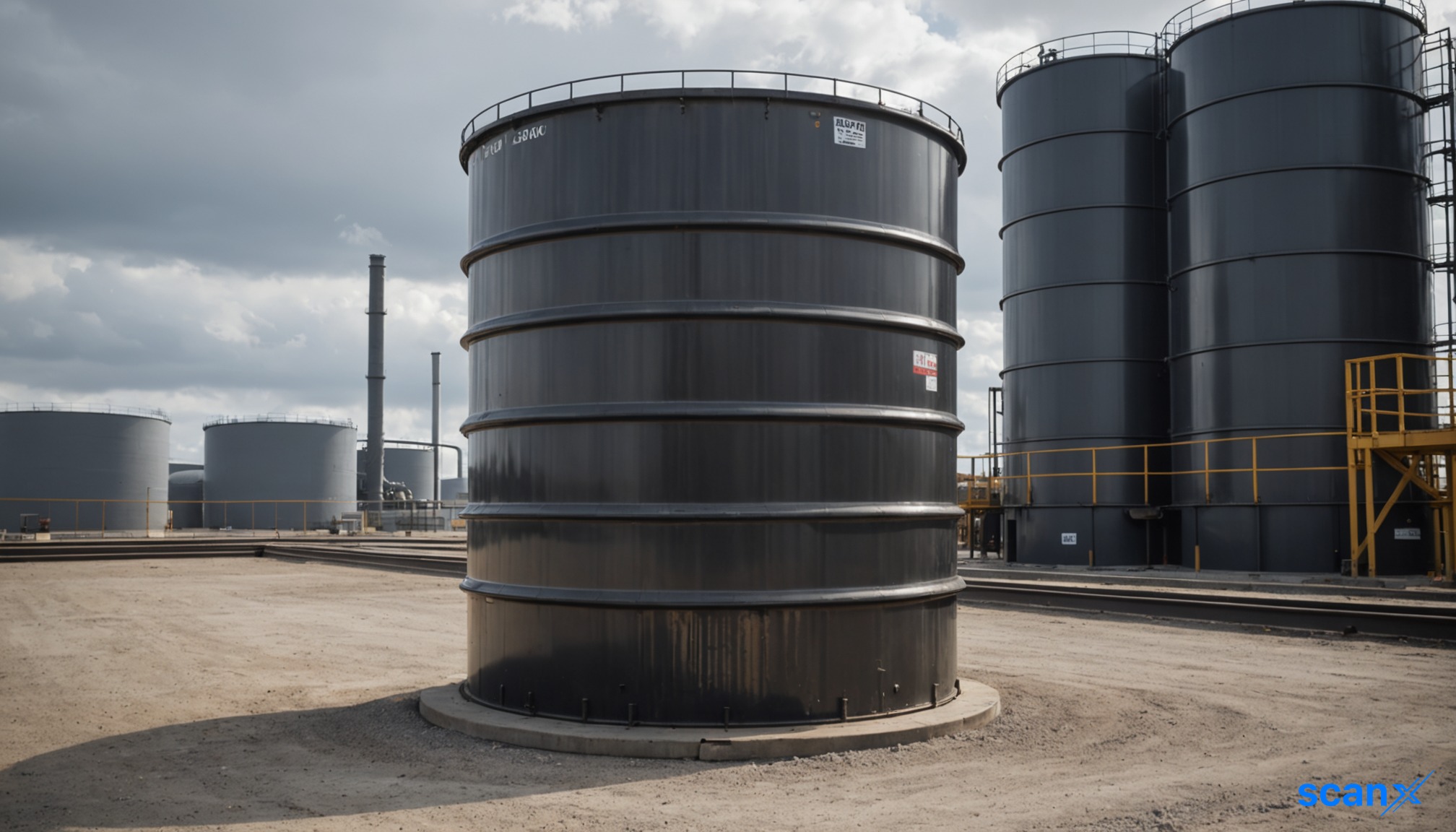
*this image is generated using AI for illustrative purposes only.

Saudi Arabia's East-West Pipeline is reportedly flowing as normal, according to recent sources cited by Bloomberg. This development contradicts earlier reports that had indicated oil flow on this strategic corridor had increased to over 80% capacity.

Pipeline status update

The East-West Pipeline, a critical artery for Saudi crude transportation, is currently operating under standard conditions. The new information supersedes previous data suggesting flows had risen to exceed 80% of its total capacity. Earlier reports had also described volumes as near 6 million barrels daily, but the current consensus indicates a return to or maintenance of normal operational levels rather than an escalation.

Parameter Details
Pipeline East-West Pipeline
Current Status Flowing as normal
Previous Report Over 80% capacity

The clarification on pipeline status underscores the importance of verifying real-time infrastructure data against initial reports. The shift from claims of maximized capacity utilization (over 80%) to confirmed normal operations highlights the volatility of early-stage market intelligence regarding critical energy corridors. The pipeline remains a strategic route for moving crude across the Arabian Peninsula, providing an alternative to maritime shipping routes through the Strait of Hormuz.

Disclaimer: This article is AI-generated using data from ViewTrade. ScanX is not liable for any inaccuracies.

How might the discrepancy between initial reports of 80% capacity and current normal operations impact investor confidence in real-time energy infrastructure data?

What geopolitical factors could prompt Saudi Arabia to rapidly shift the East-West Pipeline from normal to maximum capacity utilization in the coming months?

To what extent does the confirmed normal status of the East-West Pipeline reduce the risk premium currently priced into crude oil futures related to Strait of Hormuz disruptions?

like18
dislike

More News on Crude Oil