

Subaru evaluates onsemi's Embedded Power Platform for future EVs


- onsemi and Subaru enter strategic technology engagement to evaluate Embedded Power Platform for future EVs
- EPP architecture increases power density by 3 – 5x compared with current solutions
- Platform enables up to 4x higher power density and 15% lower power losses for electric vehicles
- Subaru will access engineering samples and simulation models for early evaluation

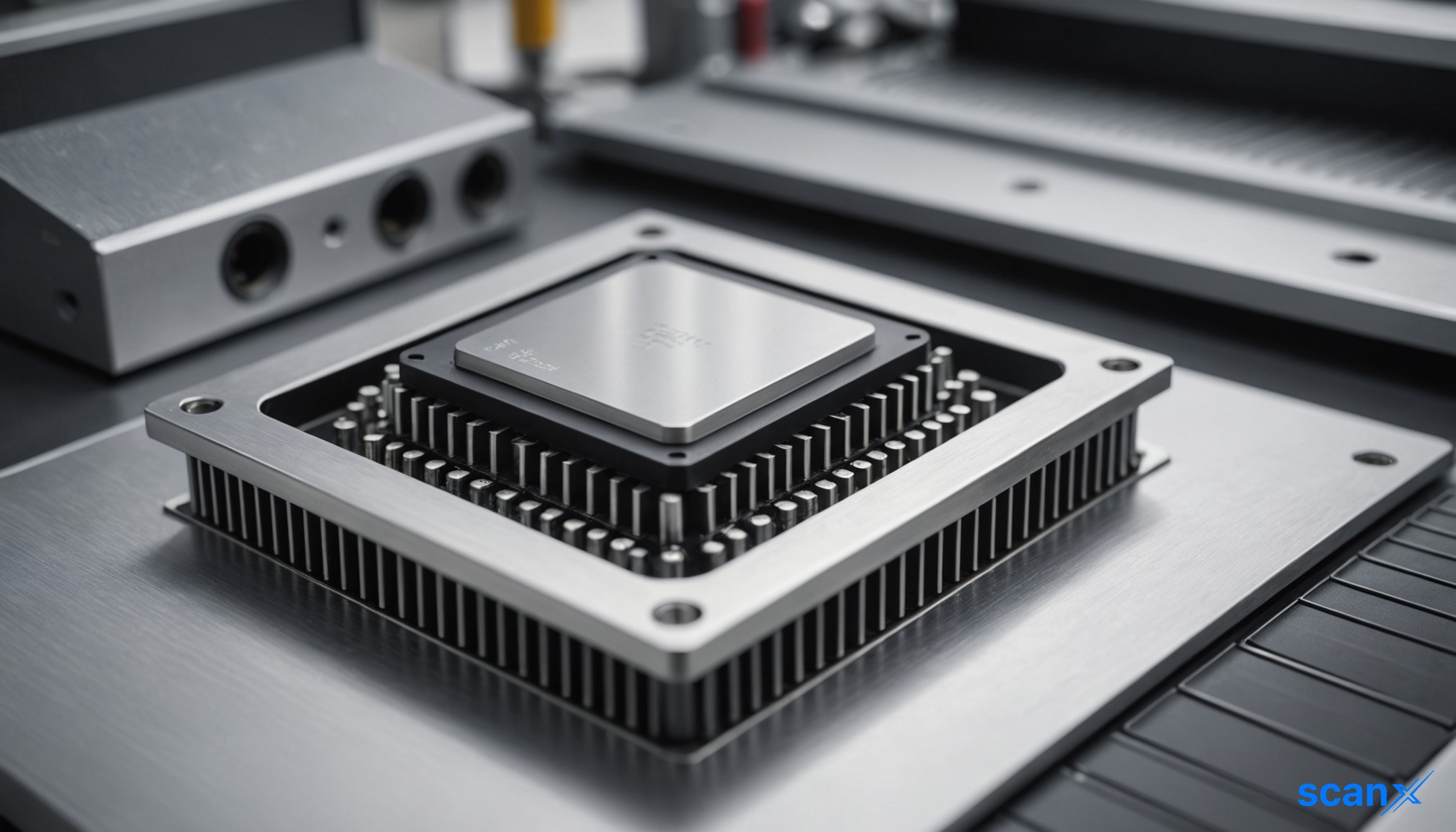

*this image is generated using AI for illustrative purposes only.
onsemi (NASDAQ: ON) announced a strategic technology engagement with Subaru Corporation to evaluate its Embedded Power Platform (EPP) for future electrified vehicles. The collaboration aims to assess how advanced power integration can improve efficiency and simplify development.
Scottsdale-based onsemi unveiled the EPP architecture on Sept. 16, 2026. The platform uses the silicon wafer as the package foundation, integrating electrical, mechanical and thermal performance. This design increases power density by 3 – 5x compared with current solutions.
Architecture and Integration
EPP treats the silicon wafer as an active contributor to system performance rather than passive housing. It enables seamless integration of silicon, silicon carbide (SiC) and gallium nitride (GaN) technologies. Multiple devices, including FETs, drivers and controllers, are embedded in one package.
The platform leverages standard 12-inch silicon wafer manufacturing capabilities. Early sampling is expected in 2026 with strategic customers.
Application Benefits
The company highlights specific improvements for key sectors:
| Sector | Key Benefit | Metric |
|---|---|---|
| AI Infrastructure | Solid-state circuit-breaker size | ~50% smaller |
| AI Infrastructure | Thermal performance | 20% cooler |
| Electric Vehicles | Power density | Up to 4x higher |
| Electric Vehicles | Power losses | 15% lower |
In AI racks, EPP reduces packaging overhead to support more compact power systems. For electric vehicles, it enables smaller traction inverters with improved efficiency.
Strategic Partnership
Subaru will evaluate the platform for future electrified vehicle architectures. The collaboration includes access to engineering samples and simulation models. Tamotsu Inui, Managing Executive Officer Chief General Manager of Engineering Div at Subaru, stated that the engagement allows evaluation of EPP’s integrated approach while drawing on onsemi’s modeling expertise.
Dinesh Ramanathan, Senior Vice President of Corporate Strategy at onsemi, noted that the transition to electrification is driving sophisticated vehicle architectures. He added that Subaru’s engagement brings valuable customer insight to EPP’s continued evolution.
What the Numbers Show
The source data reveals a significant divergence in performance metrics between AI and automotive applications. While AI infrastructure gains focus on physical footprint reduction (50% smaller) and thermal management (20% cooler), electric vehicle applications prioritize efficiency gains (15% lower losses) and density (4x higher). This suggests distinct optimization priorities for each end-market despite using the same underlying architecture.

How might onsemi's Embedded Power Platform disrupt the current competitive landscape among automotive semiconductor suppliers like Infineon and STMicroelectronics?
What are the potential supply chain implications for onsemi as it scales 12-inch wafer manufacturing to meet demand for both AI infrastructure and EV markets?
Could the distinct optimization priorities for AI (size/thermal) versus EVs (efficiency/density) lead to fragmented product lines, or will a unified architecture suffice?
 19
19








 Create Custom Screeners
  Access 200+ Pre-built Filters
  Use 50+ Readymade Screener





