

IRCTC signs MoU with Quality Council of India for digital food safety audits


- IRCTC signed an MoU with Quality Council of India on October 15, 2026
- Audits will use digital tools with geo-tagging and 24-hour reporting
- Focus is on unannounced inspections for FSSAI and international standard compliance
- Initiative covers both train-based and station-based catering units

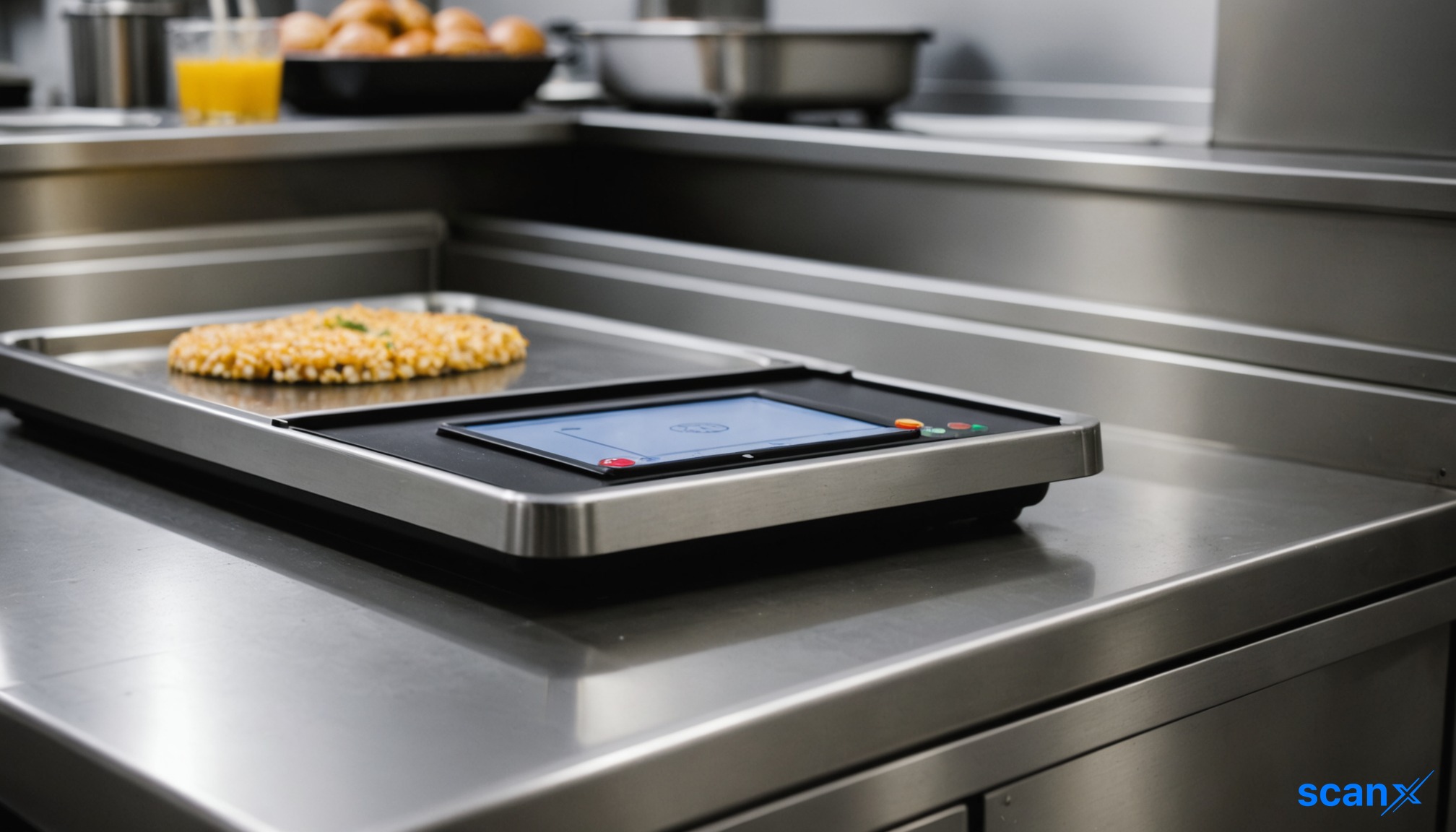

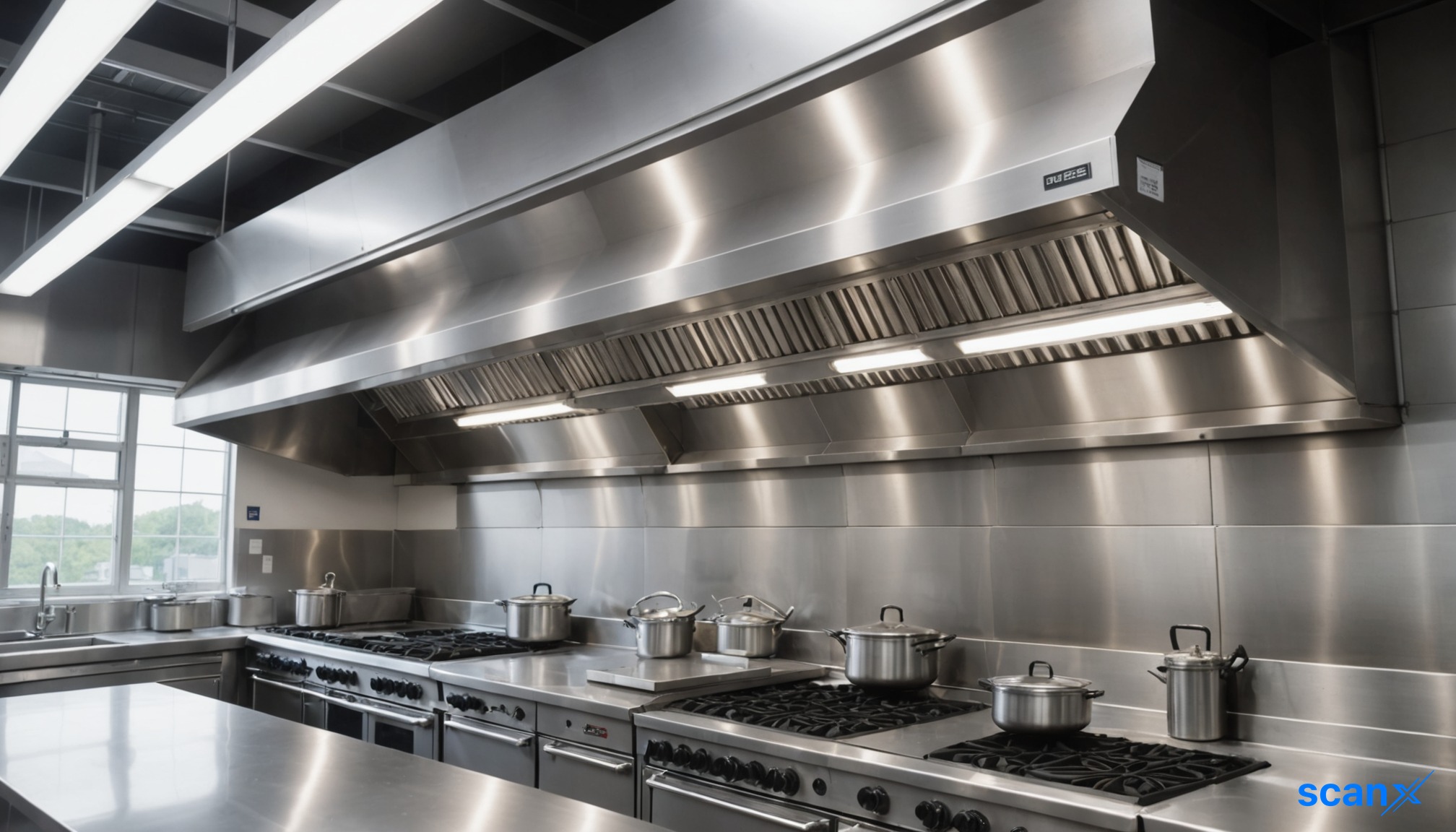
*this image is generated using AI for illustrative purposes only.
Indian Railway Catering and Tourism Corporation Ltd signed a strategic Memorandum of Understanding with the Quality Council of India on October 15, 2026. This partnership establishes an independent, technology-driven audit mechanism to ensure strict food safety and hygiene compliance across all IRCTC-managed catering units.
The agreement aims to transform the on-board dining experience for millions of daily rail passengers by introducing rigorous, unannounced inspection cycles. These audits will enforce compliance with statutory Food Safety and Standards Authority of India regulations and international culinary standards, addressing critical gaps in vendor accountability and operational transparency.
Digital Audit Mechanism
To eliminate data tampering and guarantee absolute transparency, the audit process will leverage QCI's proprietary digital infrastructure. Inspectors will utilize a mobile application featuring mandatory geo-tagging, time-stamping, and photographic evidence. Audit reports must be submitted within a strict 24-hour turnaround window, enabling real-time detection of operational gaps and triggering immediate Corrective and Preventive Action tracking against defaulting vendors.
The MoU was executed by Sudhir Warrier, General Manager/Quality & Projects at IRCTC, and Subroto Ghosh, Principal Advisor/Head-PPID at QCI. Key IRCTC officials present included Rahul Himalian, Chairman & Managing Director, and Manoj Kumar Sharma, Director/Catering Services.
Key Impact Areas
The partnership focuses on several critical aspects of railway hospitality:
- Zero-Compromise Onboard Dining: Rigorous independent screening across trains ensures passengers are protected from subpar meal preparation.
- Consistent Quality at Stations: Standardization guarantees immaculate cooking environments across all major station-based static units.
- Strict Vendor Accountability: Digital evidence-backed reports submitted within 24 hours ensure rapid penalty or corrective loops for catering licensees.
- Visible Hygiene Protocols: On-ground checks will strictly enforce staff medical fitness, mandatory protective gear, and professional hospitality etiquette.
- Sanitary Storage Compliance: Enhanced monitoring ensures the segregation of vegetarian and non-vegetarian raw items, temperature-controlled meal holding, and verified pest control.
What the Numbers Show
While specific financial figures were not disclosed in the press release, the operational metrics highlight a shift toward data-driven governance. The requirement for a 24-hour turnaround for audit reports contrasts sharply with traditional periodic reviews, suggesting a move toward real-time quality control rather than retrospective assessment. This mechanism allows for immediate corrective actions, potentially reducing the latency between violation detection and remediation in a vast network serving millions of passengers daily.
Historical Stock Returns for IRCTC
| 1 Day | 5 Days | 1 Month | 6 Months | 1 Year | 5 Years |
|---|---|---|---|---|---|
| -1.62% | +3.46% | +1.39% | -12.74% | -33.35% | -57.05% |

How might the implementation of real-time digital audits impact IRCTC's catering vendor retention rates and contract renewal terms in the coming fiscal year?
What are the projected operational cost implications for IRCTC and its vendors as they transition from periodic manual inspections to continuous, technology-driven compliance monitoring?
Could this public-private partnership model for food safety auditing be replicated by other Indian state-run enterprises or private hospitality chains facing similar regulatory scrutiny?












 Create Custom Screeners
  Access 200+ Pre-built Filters
  Use 50+ Readymade Screener





