

Musk mocks Waymo sensor-heavy robotaxi as Tesla rivalry heats up


- Elon Musk endorsed a meme contrasting Tesla's Cybercab with Waymo's sensor-heavy robotaxi
- Tesla relies on cameras and AI, while Waymo uses cameras, lidar, and radar
- Ashok Elluswamy stated intelligence, not sensors, is the core issue for self-driving
- Musk argued humans drive with neural nets and optical sensors, not lasers
- Waymo's Srikanth Thirumalai defended the multi-sensor safety approach


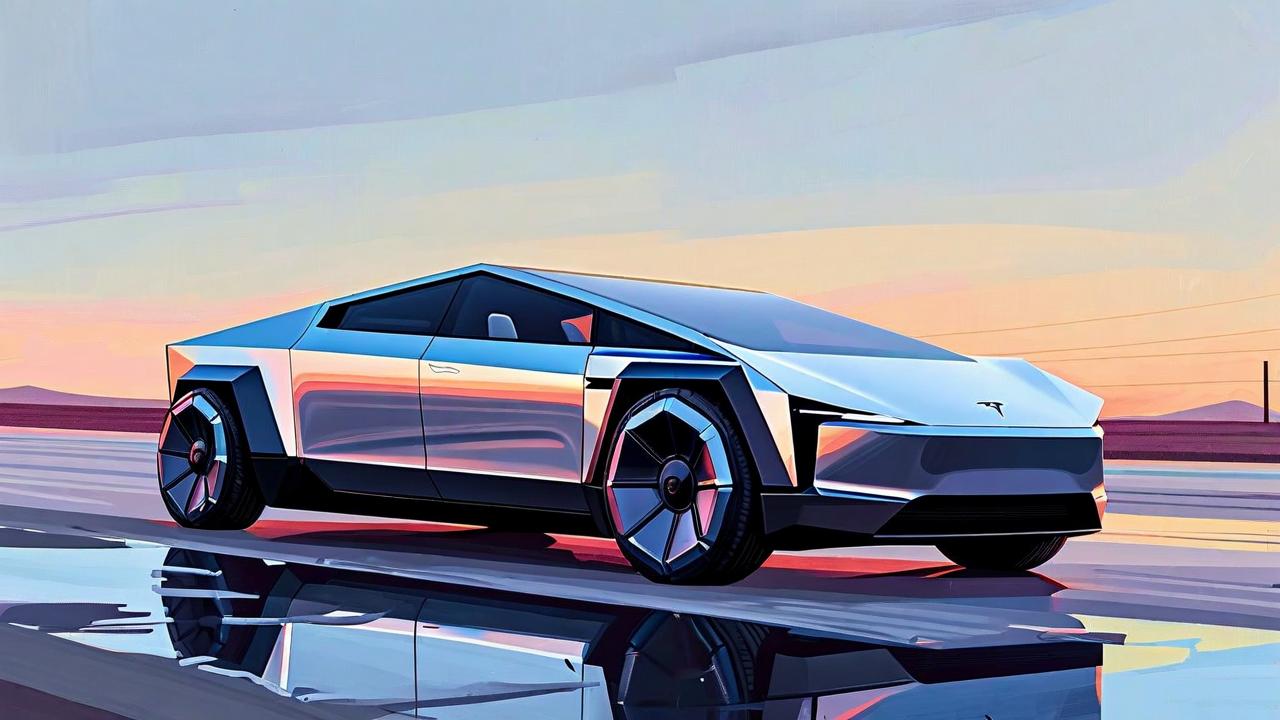
*this image is generated using AI for illustrative purposes only.
Elon Musk agreed with a meme mocking the sensor-heavy appearance of Alphabet Inc.-owned Waymo’s robotaxis compared with Tesla Inc.’s Cybercab. His response on X highlighted the intensifying competition between the two autonomous-driving approaches.
Musk’s Response to Meme Revives Robotaxi Sensor Debate
The meme juxtaposed a sharply dressed figure with another covered in cameras and equipment, captioned "Hi I’m a Cybercab" and "And I’m a Waymo." Reacting to the post on X, Musk wrote, "Pretty much." His response came days after Tesla began limited Cybercab rides in Austin, where the two-seat vehicle operates without a steering wheel or pedals.
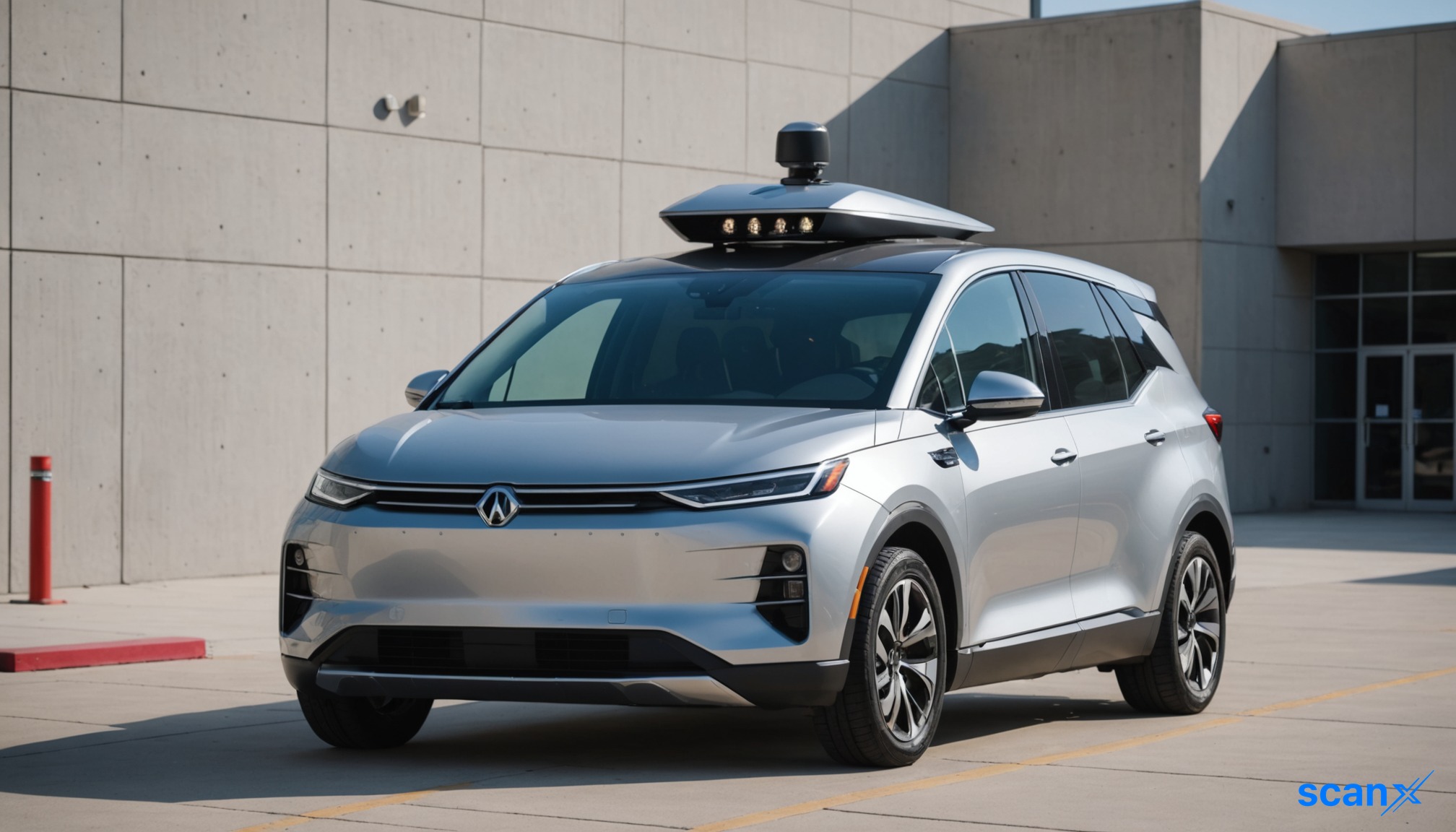
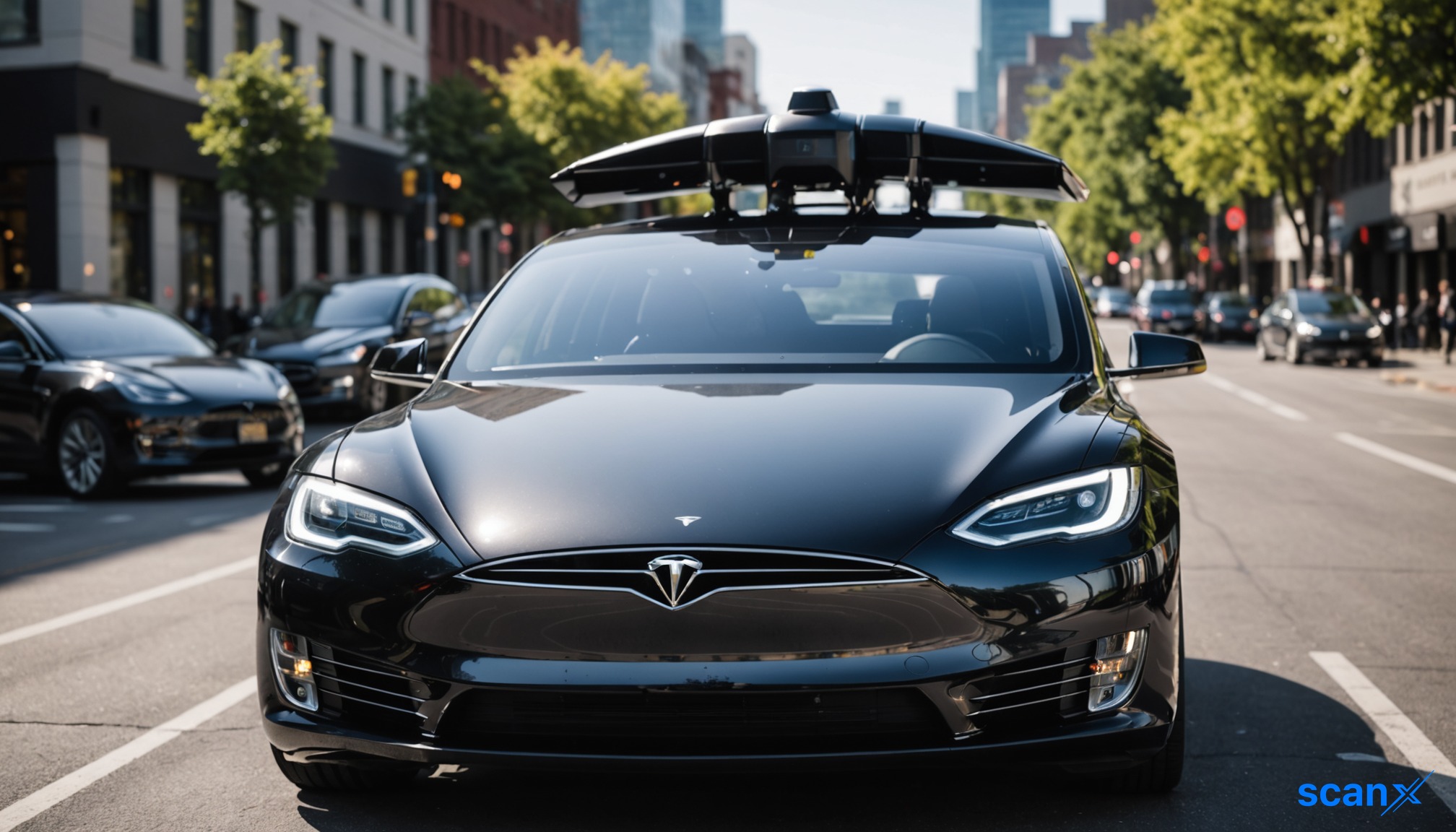
The post taps into a long-running divide. Tesla relies primarily on cameras and artificial intelligence, while Waymo’s sixth-generation Driver combines cameras, lidar and radar.
Tesla Says Intelligence Matters More Than Sensors
Tesla AI chief Ashok Elluswamy made the company’s case at the Cybercab launch, saying experts had argued that Tesla "cannot build a safe self-driving vehicle" with just cameras.
"We always thought the core issue for self-driving is one of intelligence," said Elluswamy, adding that "no sensor in the world is going to tell you what is going to happen in the future." Tesla instead built an "AI-first, end-to-end" driving stack using camera imagery.
Musk has repeatedly made the same argument. In July, after Volvo Group dropped Luminar lidar from two electric models, Musk wrote, "I did try to warn them," adding, "Humans drive using neural nets and optical sensors. Same is true for robot cars."
During Tesla’s January 2025 earnings call, Musk reaffirmed his opposition to lidar, arguing that humans drive with "eyes and a neural net" rather than lasers. Tesla also recently touted Cybercab’s "operational efficiency" against Waymo.
Waymo Defends Its Multi-Sensor Safety Approach
Srikanth Thirumalai, Waymo’s vice president of onboard software, recently rejected the idea that extra sensors are unnecessary in an Axios interview. The company’s sixth-generation platform combines cameras, lidar and radar.

How might regulatory bodies in key markets like California or Texas adjust safety certification standards given the divergent sensor philosophies of Tesla and Waymo?
Could Tesla's camera-only approach influence other automakers to abandon lidar investments, potentially reshaping the supply chain for autonomous driving hardware?
What are the projected long-term cost implications for fleet operators choosing between Tesla's streamlined Cybercab and Waymo's sensor-heavy vehicles?
 18
18





 Access 50+ Readymade Screeners
  Use 200+ Custom Filters
  Get Full Market Insights





