

Tesla Cybercab launch sparks NHTSA probe; shares fall 6%


- Tesla shares fell nearly 6% to $354.08 after a muted Cybercab launch in Austin
- NHTSA opened an Audit Query into roughly 1,000 Cybercabs over self-certification
- Only 45 Cybercabs were registered in Texas among 420 autonomous Tesla vehicles
- Elon Musk skipped the event; no pricing or fleet size details were provided
- Jefferies noted Tesla rides had longer waits and more safety drivers than Waymo

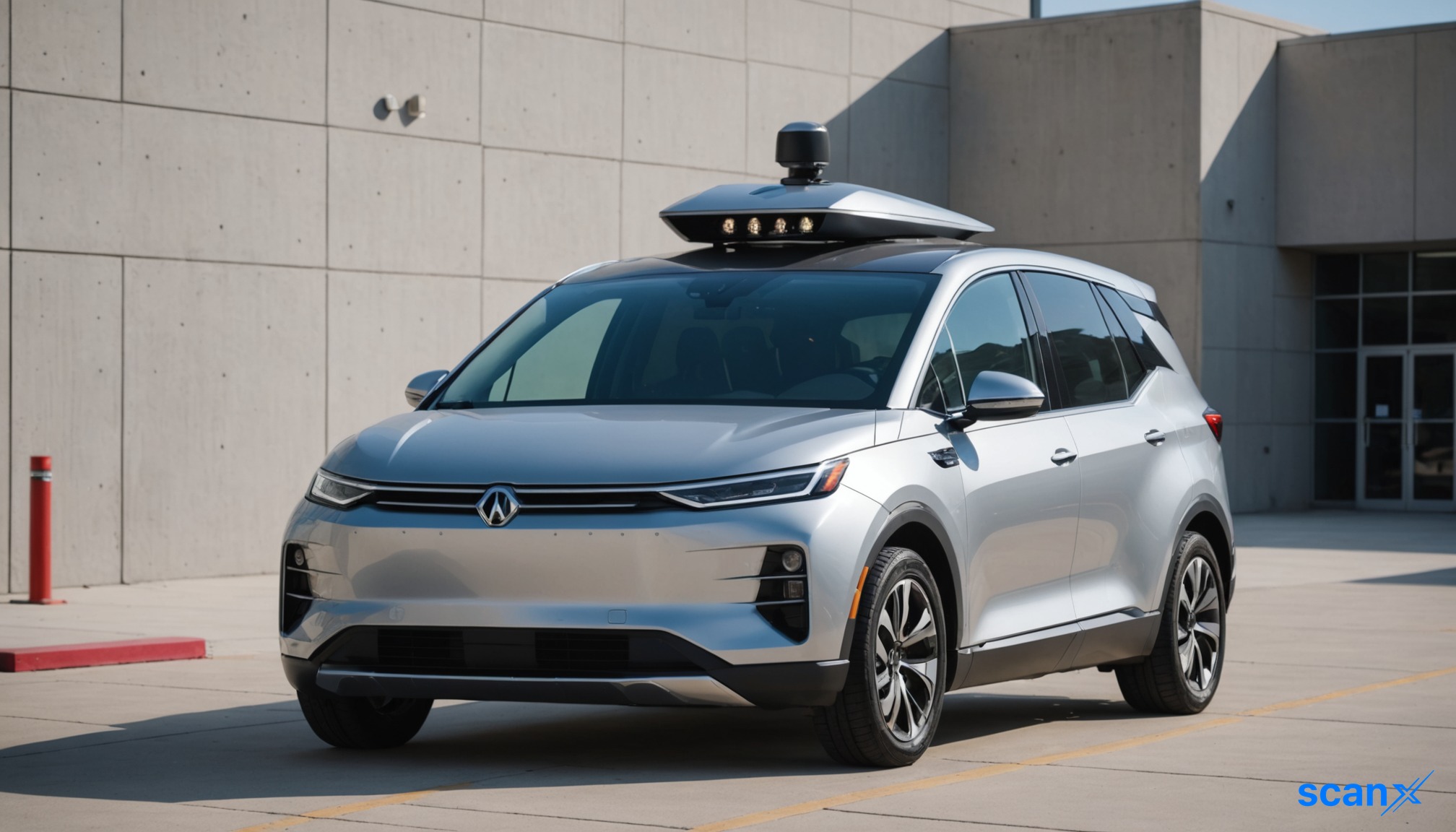

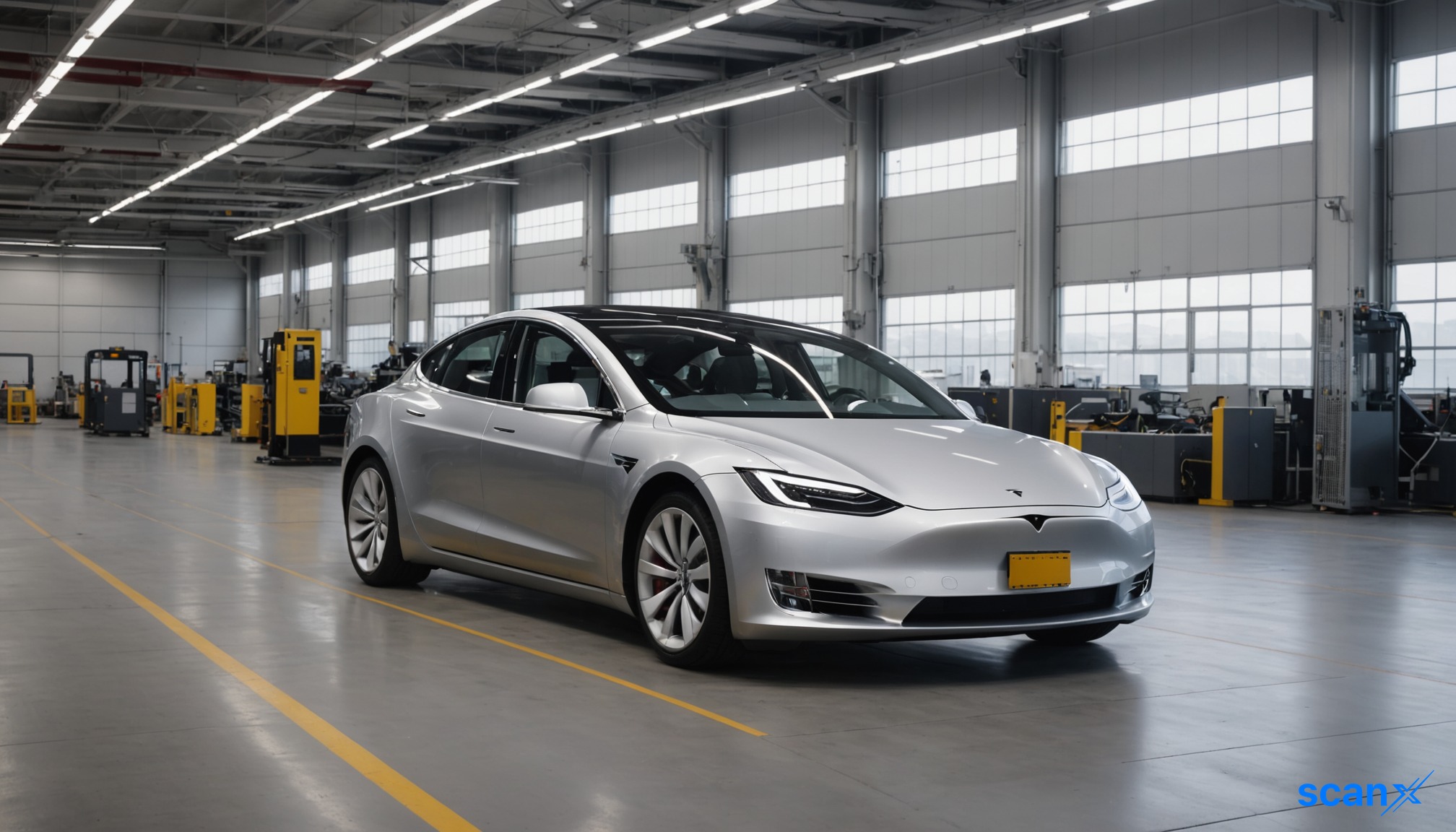
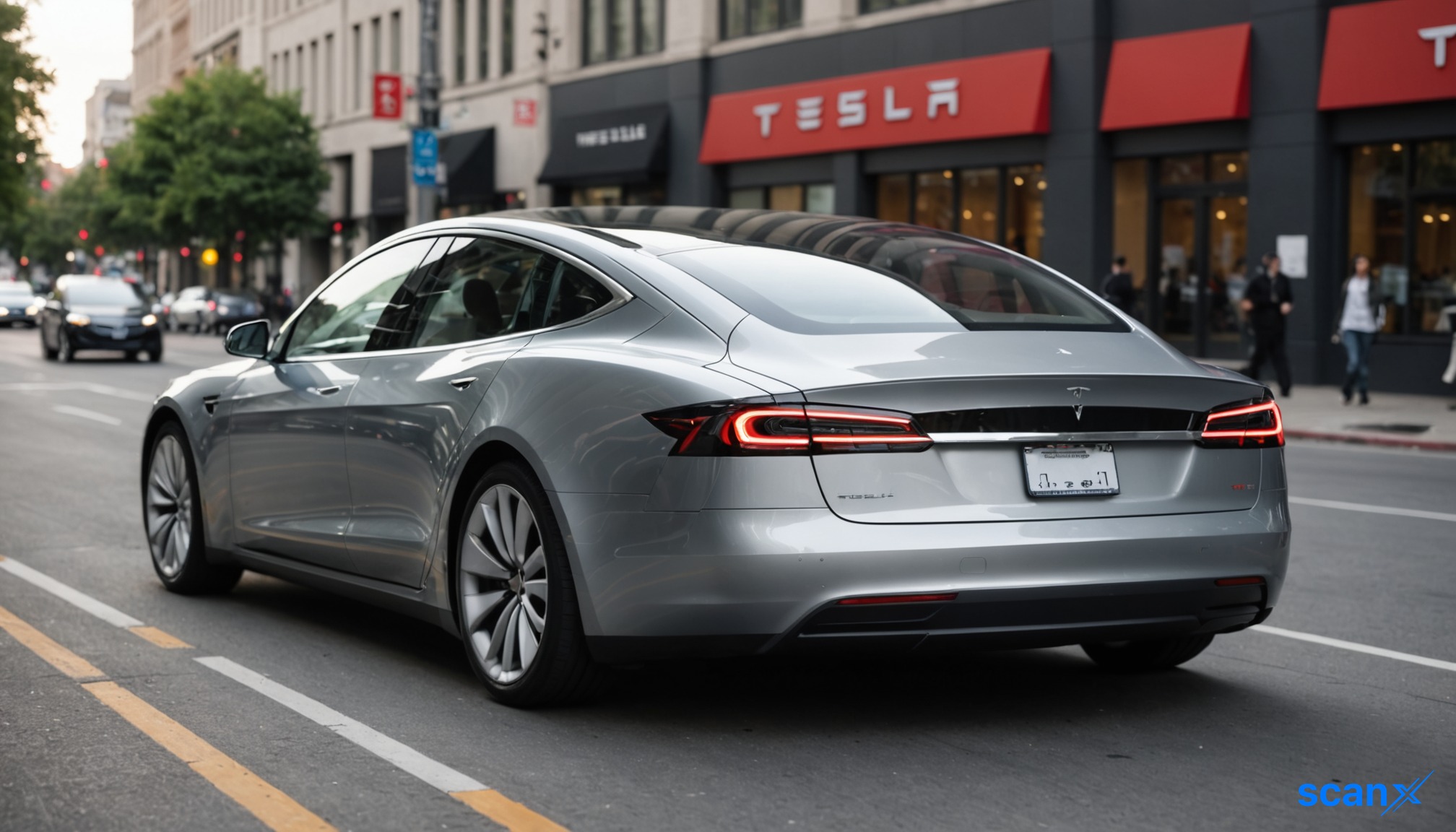
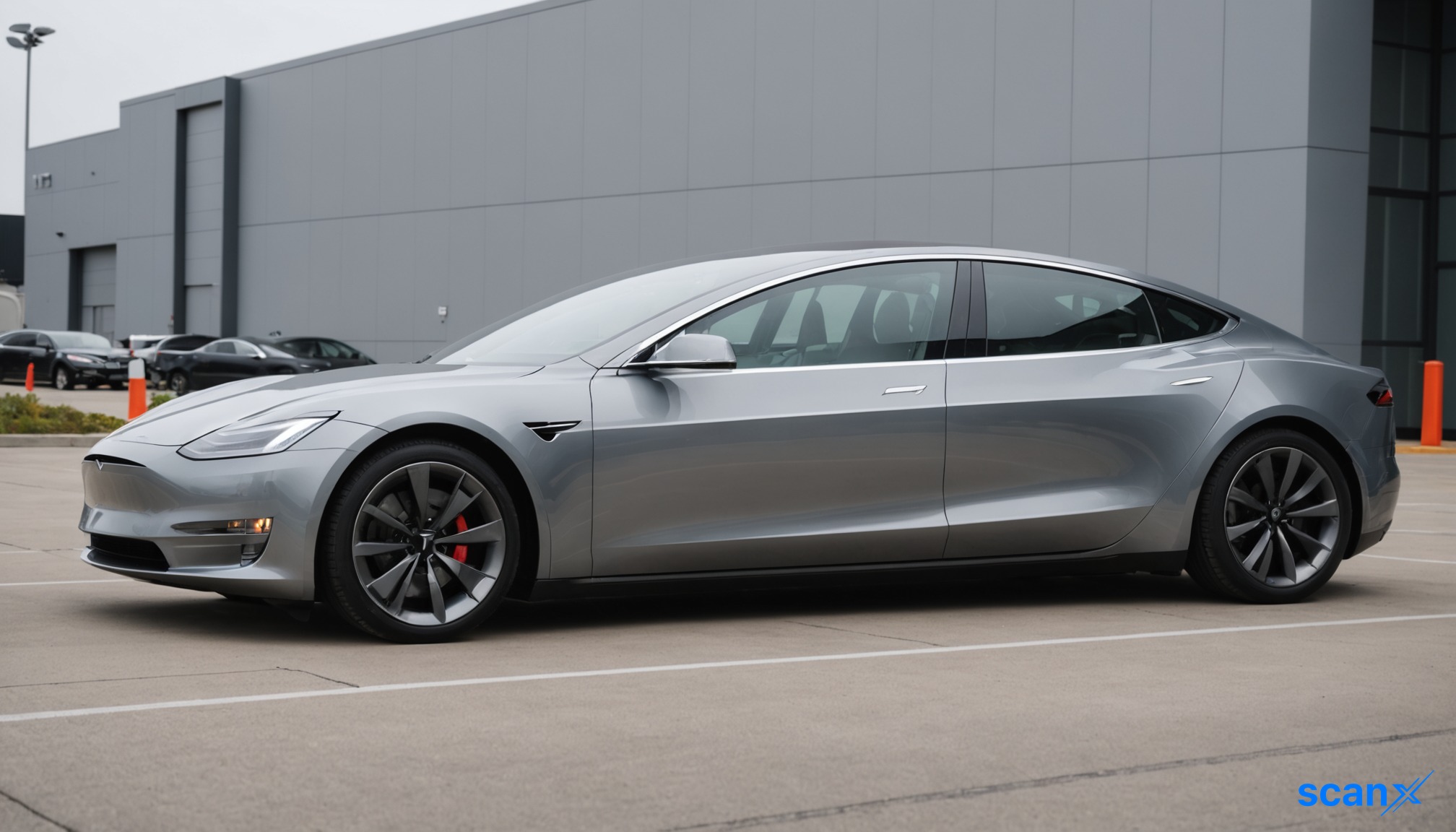
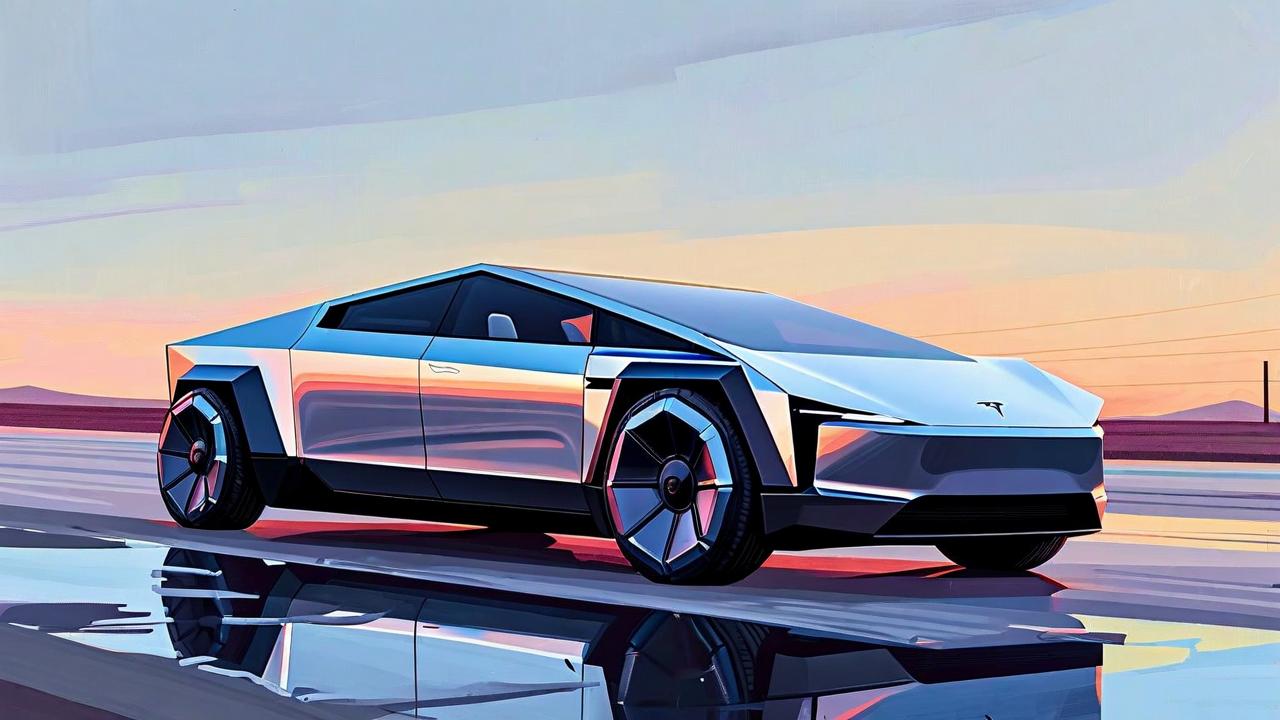
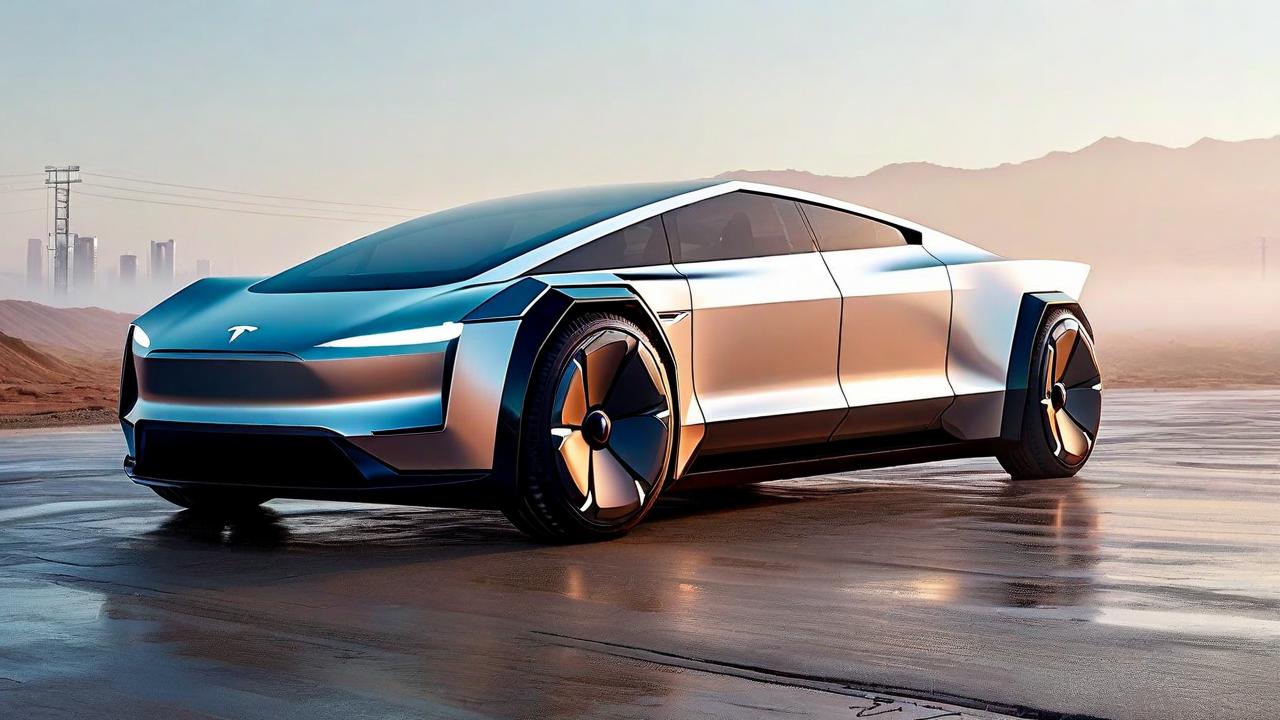
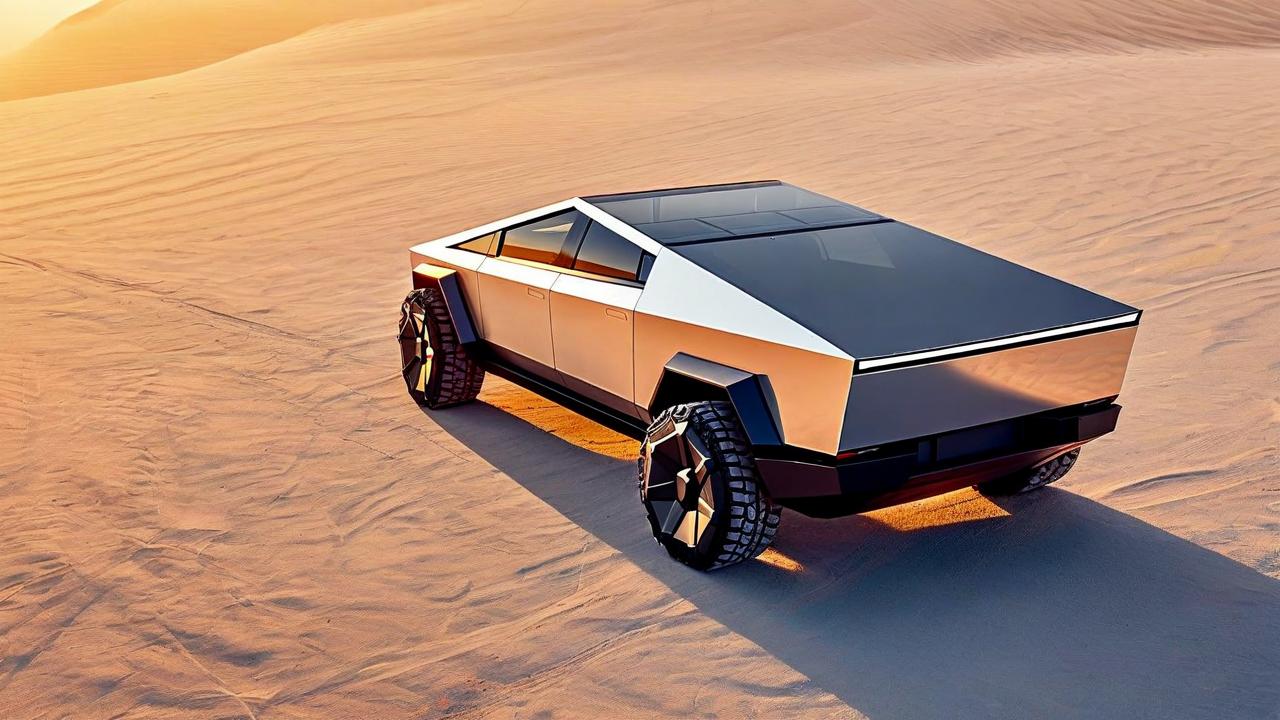
*this image is generated using AI for illustrative purposes only.
Tesla Inc. (NASDAQ: TSLA) shares fell nearly 6% to $354.08 on Friday following a muted Cybercab launch in Austin, Texas. The National Highway Traffic Safety Administration opened an Audit Query within 24 hours of the event.
The regulatory scrutiny targets approximately 1,000 Cybercabs. The agency is examining how Tesla self-certified vehicles lacking steering wheels, brake pedals, accelerator pedals, or mirrors as compliant with federal safety standards.
Limited Fleet and Muted Launch
Tesla began offering Cybercab rides Thursday only in limited areas of Austin. Texas records showed 45 Cybercabs among 420 autonomous Tesla vehicles registered in the state. This fleet had already emerged in records ahead of the launch.
Elon Musk skipped the event. Executive remarks on pricing, manufacturing, and technology lasted roughly 15 minutes. No livestream occurred despite 2 million users waiting on X. No pricing or fleet size details were provided.
Regulatory and Market Reaction
NHTSA Administrator Jonathan Morrison stated the agency supports safe development of automated vehicles but must ensure laws are followed. The stock fell a further 0.34% in after-hours trading.
Gordon Johnson, a Tesla critic, argued the robotaxi narrative has been more about supporting the stock than proving scalable autonomous operations. He noted the absence of Elon Musk, pricing, and fleet size data.
Operational Challenges
Jefferies analysts previously found Tesla rides in Austin were cheaper than Alphabet Inc.’s (NASDAQ: GOOG) Waymo but suffered longer waits, more human safety drivers, and suboptimal routes.
Investor Gary Black argued in July that visible Cybercab inventory means little without commercially scalable autonomy. He dismissed parked Cybercabs at Giga Texas as irrelevant to investors unless they could operate without safety monitors.
Tesla says Cybercab rides are now available to the public in limited parts of Austin. The company states Robotaxi operates with Model Ys across Texas and Florida. It says Cybercab will eventually anchor a larger autonomous network.
What the Numbers Show
The divergence between the scale of regulatory interest and the physical fleet size is stark. While the NHTSA Audit Query covers roughly 1,000 Cybercabs, only 45 such vehicles were registered in Texas at the time of the launch. This suggests the regulatory probe is based on the broader certification claim for the vehicle design rather than the immediate operational deployment volume.

How might the NHTSA's Audit Query impact Tesla's ability to self-certify future vehicle designs lacking traditional controls?
Could the lack of specific pricing and fleet size data during the launch erode institutional investor confidence in Tesla's robotaxi timeline?
What are the potential legal precedents set by regulating vehicles without steering wheels or pedals under current federal safety standards?
 15
15




 Create Custom Screeners
  Access 200+ Pre-built Filters
  Use 50+ Readymade Screener





