

Tesla stock down 29% from highs as analyst sees 93% more downside


- Tesla stock fell 6% to $353.71, down 29% from December all-time highs
- GLJ Research maintains Sell rating with $24.86 target, implying 93% downside
- Analyst cites lack of business details on volume and pricing from Cybercab event
- Historical data shows average -5.2% return one week after prior flagship events



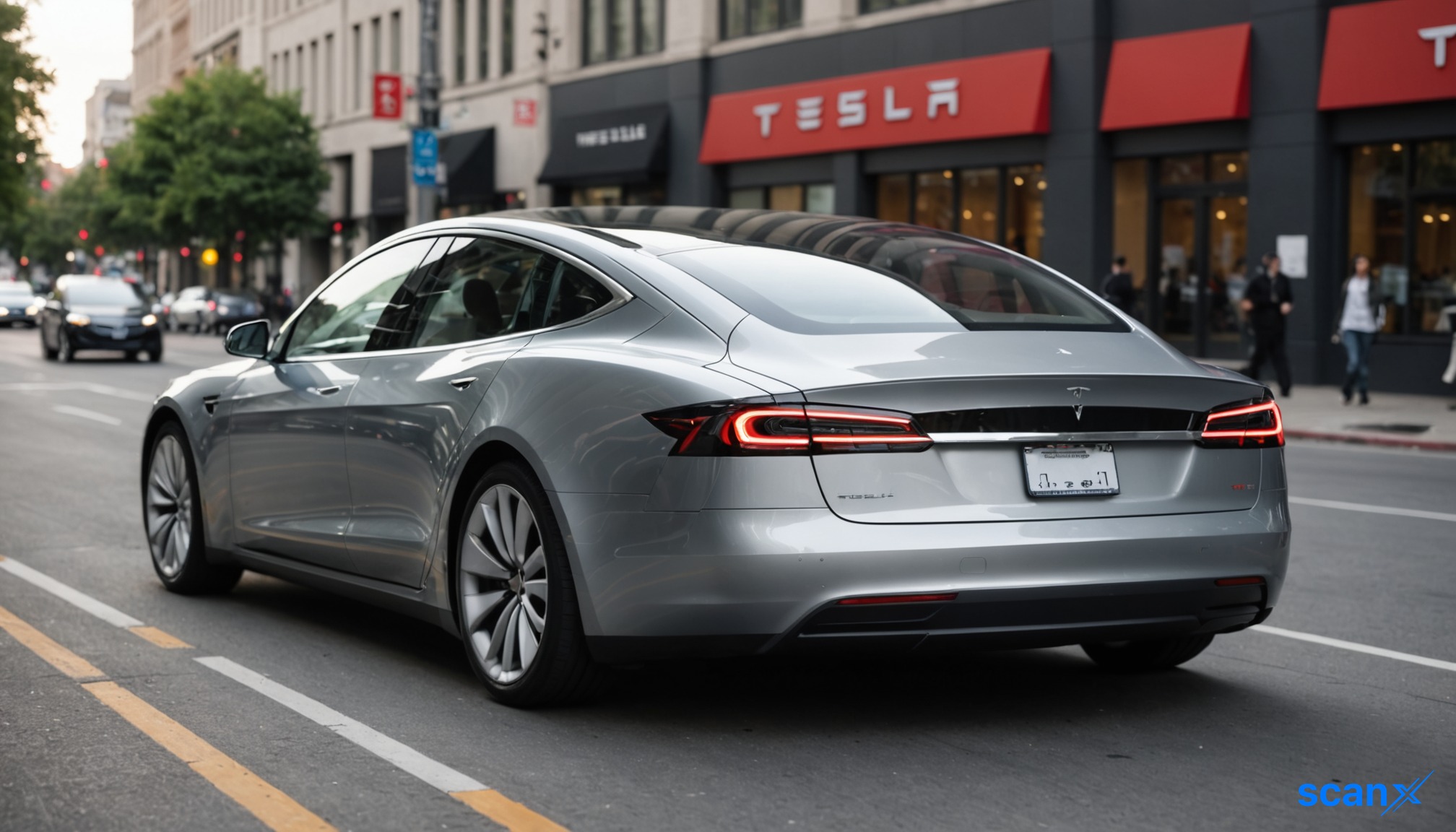
*this image is generated using AI for illustrative purposes only.
Tesla Inc (NASDAQ: TSLA) shares fell 6% to $353.71 on Friday, extending a decline of 29% from all-time highs set in December. GLJ Research analyst Gordon L. Johnson maintained a Sell rating with a price target of $24.86, signaling potential for a 93% further decline.
Johnson argued that the recent Cybercab event failed to address critical business questions regarding vehicle volume, pricing, and regulatory rules. He noted that while the vehicle is operational in Austin, the stock is priced for a network rather than a car.
Analyst View on Cybercab Event
Johnson described the event as featuring a curated group of attendees who rode in a two-seater without steering wheels or pedals. He stated that no new details were provided on Tesla’s network capabilities.
"A car showed up. A business didn’t," Johnson said in his investor note. He acknowledged progress from the vehicle being a soundstage prop to a production unit in a geofenced area but emphasized the lack of commercial clarity.
Historical Post-Event Performance
The analyst highlighted a pattern of negative returns following Tesla’s flagship events since Battery Day in September 2020. Across the prior ten events, the average return was -3.2% the next day and -5.2% over the following week.
| Metric | Average Return | Frequency Lower |
|---|---|---|
| Next Day | -3.2% | N/A |
| Following Week | -5.2% | 8 of 10 |
| Following Month | -3.2% | N/A |
Johnson expects the current decline to exceed these historical averages. His $24.86 target is based on a 10x price-to-earnings multiple applied to GAAP-estimated earnings per share of $2.49.
What the Numbers Show
The divergence between the current share price of $353.71 and the analyst’s target of $24.86 highlights a significant valuation gap. The target implies that the market’s current pricing does not reflect the operational reality presented at the Cybercab event, according to Johnson’s analysis.

How might the lack of specific details on Cybercab pricing and volume projections impact Tesla's ability to secure necessary regulatory approvals for autonomous operations in key markets?
Could the persistent post-event stock decline pattern signal a broader shift in investor sentiment from valuing Tesla as a tech growth story to assessing it strictly on near-term automotive fundamentals?
What strategic adjustments might Tesla make to its communication strategy to bridge the gap between its 'network' valuation narrative and the tangible operational metrics investors are demanding?
 16
16













 Access 50+ Readymade Screeners
  Use 200+ Custom Filters
  Get Full Market Insights





