

Tesla launches Cybercab in Austin; NHTSA opens safety audit


- Tesla begins commercial Cybercab rides in Austin as NHTSA opens audit query
- Shares fall 5.92% to $354.08 amid regulatory scrutiny and mixed views
- Gene Munster predicts 300 Cybercabs added to Austin fleet within a month
- Maye Musk describes 2024 test ride as strange due to lack of controls


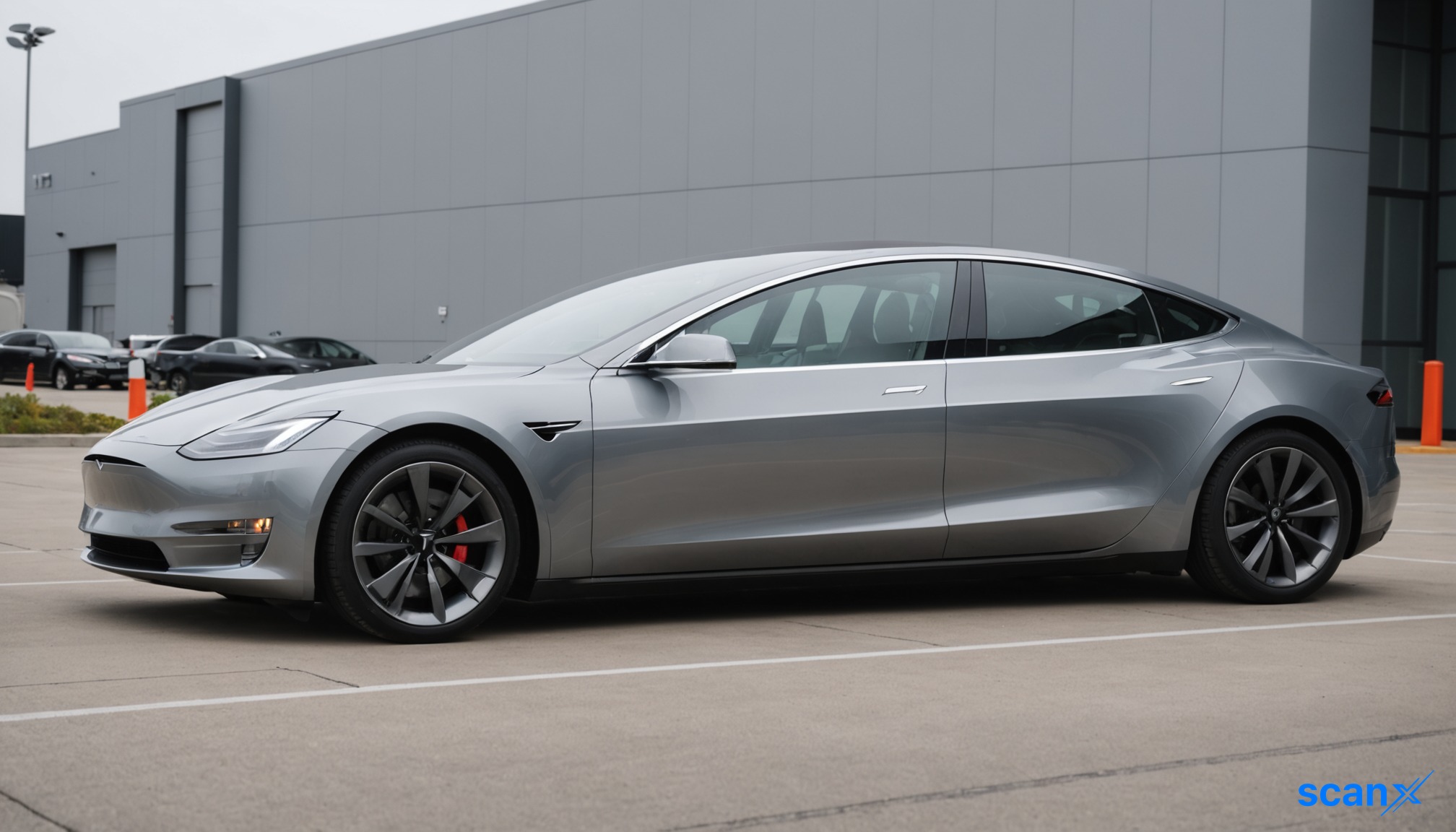
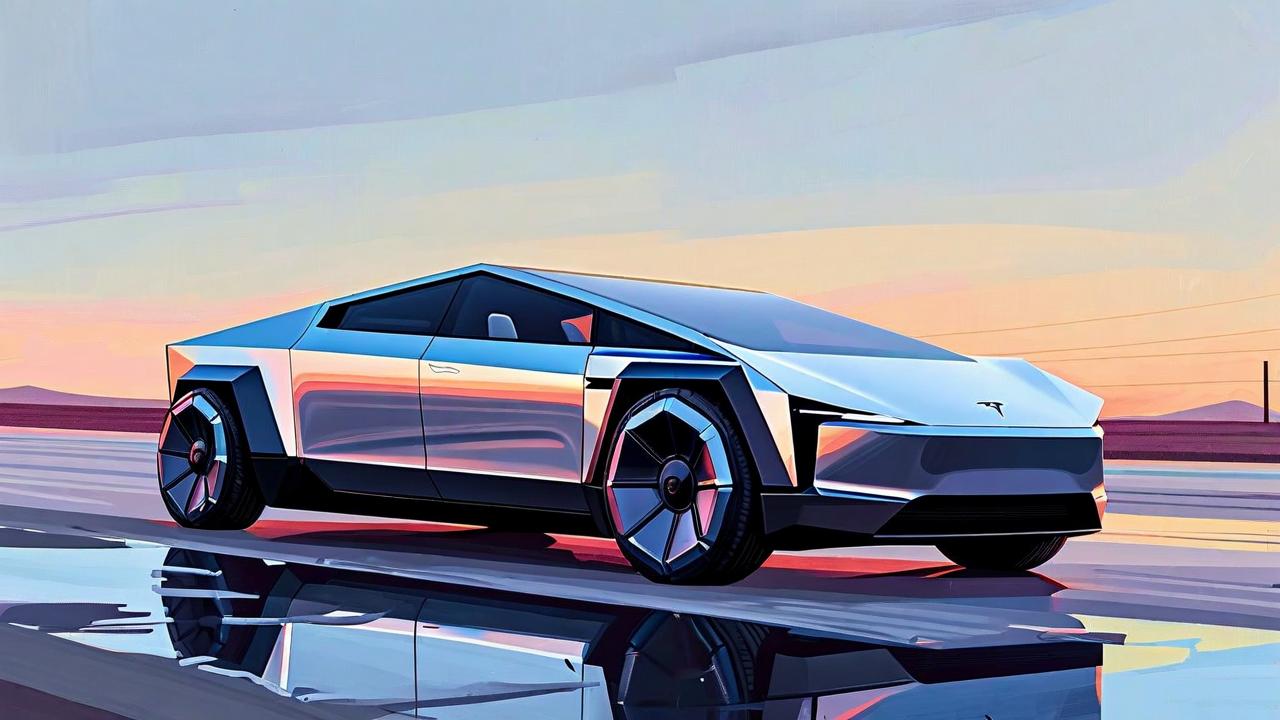
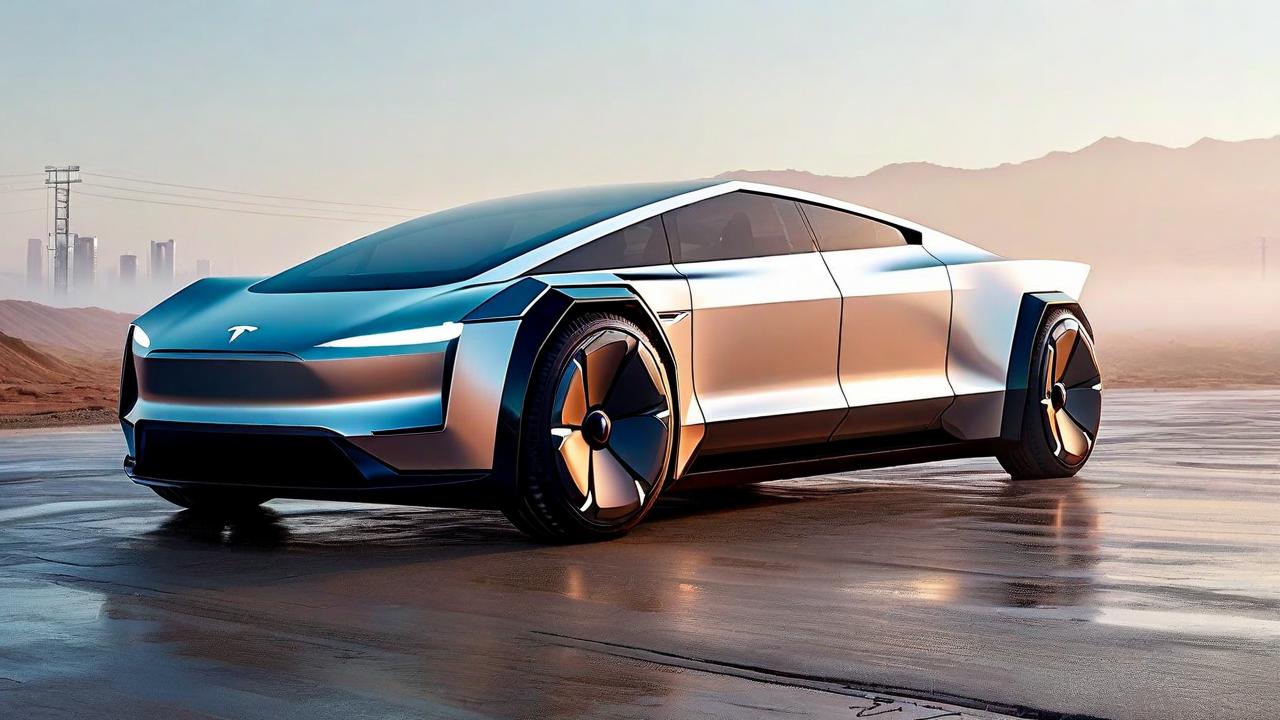
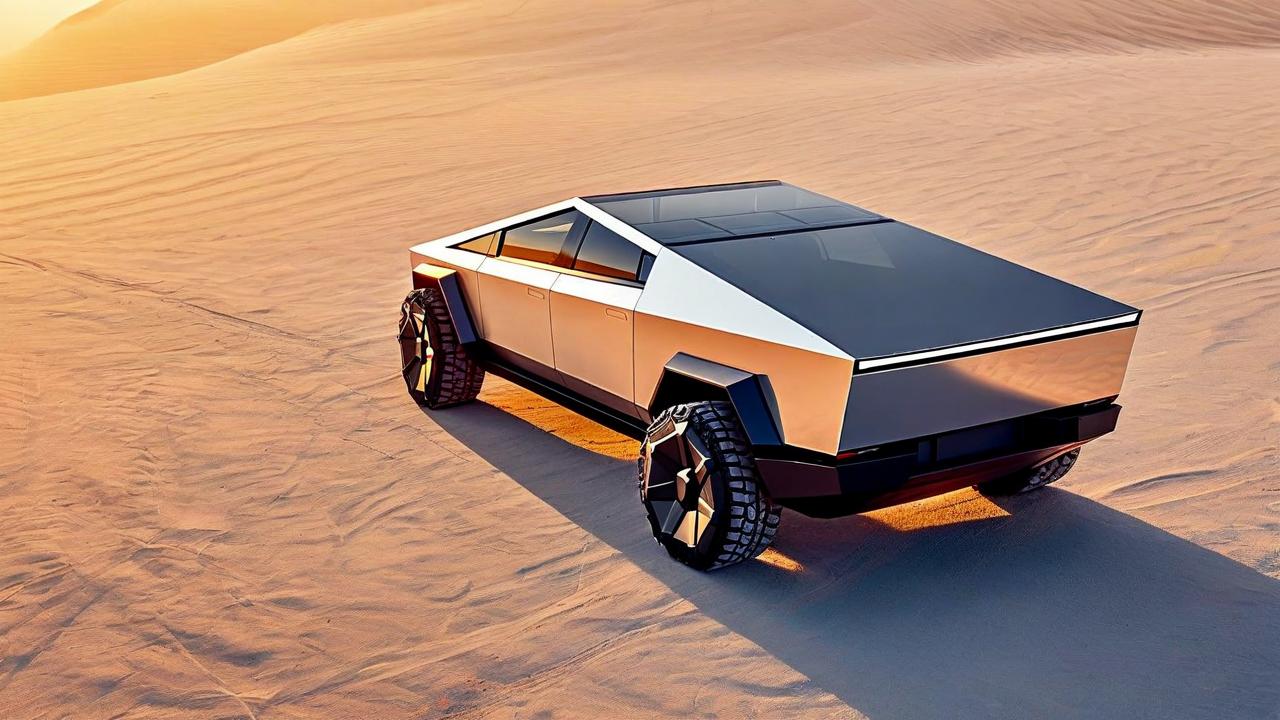
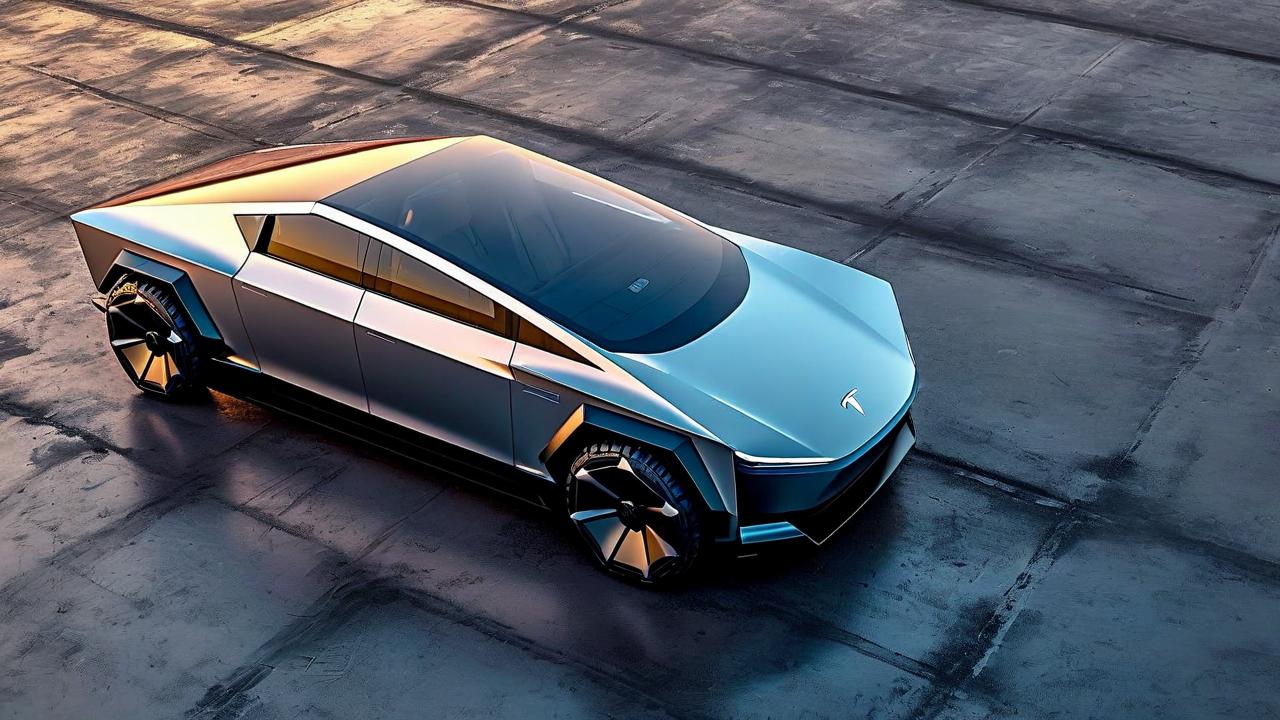
*this image is generated using AI for illustrative purposes only.
Tesla Inc (NASDAQ: TSLA) began commercial Cybercab robotaxi rides in Austin, Texas, on Friday. The U.S. Department of Transportation’s National Highway Traffic Safety Administration (NHTSA) simultaneously opened an Audit Query into the vehicle’s compliance with federal safety standards.
The launch coincided with a sharp market reaction. Tesla shares closed Friday’s regular session at $354.08, down 5.92%. This follows a week of volatility where shares had risen 7.11% to $382.38 on Thursday before falling 1.64% to $370.19 during overnight trading as the launch commenced.
Regulatory Scrutiny And Safety Standards
The NHTSA audit investigates the process and technical data Tesla relied on to certify that up to 1,000 Cybercabs meet Federal Motor Vehicle Safety Standards. The regulator highlighted that the vehicles lack permanently attached conventional manual controls, including brake pedals, gas pedals, steering wheels, and mirrors.
This regulatory action adds to existing incident reports. Unredacted documents show two Supervised Tesla Robotaxis were involved in incidents in Austin prior to this launch. Tesla submitted five additional crash reports to NHTSA in January 2026, bringing the total reported Robotaxi incidents in Austin to 14 since the service launched in June 2025. A February filing added another incident, raising the total to 15.
Fleet Expansion And Deployment Forecasts
Ahead of its launch, Tesla’s Cybercab fleet had grown to 45 vehicles, according to Texas’ public automated-vehicle records. Investor Gene Munster of Deepwater Asset Management predicted Tesla would add roughly 300 Cybercabs to its Austin fleet within the next month, characterizing the initial rollout as "just the start."
Munster stated that CEO Elon Musk's caution over robotaxi accident risk appears "to be coming to an end." This forecast aligns with Musk’s own signals. Musk teased a "Storm of Cybercabs" ahead of the launch and indicated the vehicles offer better operational efficiency than rival Waymo. The two-seat, steering-wheel-free Cybercab joins Tesla’s existing Model Y robotaxi service in Austin.
Investor Ross Gerber of Gerber Kawasaki touted the Cybercab as the first-ever "physical AI EV" and said he was looking forward to seeing how its rollout progresses. Tesla confirmed that the Cybercab Robotaxis will be open to the public on Friday in Austin at 5 p.m. Central.
Rare-Earth-Free Motor Design
CEO Elon Musk highlighted that the Cybercab’s electric motor operates without rare earth metals, describing the achievement as "extremely hard to achieve." Investor Sawyer Merritt noted the motor is 18% smaller and 25% lighter than counterparts while maintaining the same range. This design aims to mitigate supply chain risks associated with China’s dominance in rare-earth magnet processing.
Market Reaction And Analyst Outlook
Tesla has a market capitalization of approximately $1.11 trillion. The stock has declined about 21% year to date, trading between a 52-week high of $498.82 and a low of $297.38. Benzinga’s Edge Stock Rankings show Tesla gaining in the short term, while medium- and long-term trends remain negative.
Morgan Stanley analysts maintained a $400 price target and a hold rating. They outlined a binary scenario: a meaningful rollout of unsupervised vehicles could regain momentum, while underwhelming execution might leave the bear thesis intact.
Contrasting with Munster’s bullish view, investor Gary Black of The Future Fund LLC called the launch "largely a bust," citing lack of detail on deployment numbers and regulatory uncertainty regarding non-traditional controls. Black warned investors about Tesla’s sky-high valuation but advised against shorting the stock, citing "best-in-class technology" and "key secular megatrends."
Cybercab Economics And Design
The Cybercab features no steering wheel or pedals. Musk previously stated the vehicle would retail for around $30,000. Cost comparisons highlight Tesla's efficiency advantage:
| Vehicle | Estimated Cost per Unit | Source |
|---|---|---|
| Waymo Gen 6 Ojai | $125,000 | Morgan Stanley |
| Tesla Cybercab | $18,000 | ARK Invest |
Tesla VP of Engineering Lars Moravy noted the Cybercab has an energy consumption rating of 165 Wh/mi and a 48 kWh battery. Musk also highlighted the integration of Space Exploration Technologies Corp (NASDAQ: SPCX) Starlink V5 internet, allowing passengers to watch 4K live video. Musk declared that the arrival of a "golden era of transport" will follow the launch.
Maye Musk, Elon Musk’s mother, shared her experience riding the driverless vehicle for the first time back in 2024. She recounted that the vehicle seemed strange. "It really is strange not to have a steering wheel nor pedals," she said. "It will free up a lot of space for my dogs," she said, also pointing to the "huge" trunk on the Cybercab.
Workforce Expansion And Job Growth
Musk emphasized workforce expansion at Tesla, projecting over 30,000 people will work in high-paying jobs at Tesla HQ and manufacturing in Austin by 2028. This represents significant growth from the current workforce of more than 16,000 employees at Giga Texas and in Austin. This contrasts with competitors like Uber Technologies Inc (NYSE: UBER), which announced layoffs of 3,300 employees to pivot toward autonomous vehicles.
What the Numbers Show
The divergence between Tesla's projected workforce growth (30,000 jobs by 2028) and competitor layoffs (Uber cutting 3,300 jobs) highlights a strategic split in the mobility sector. While some firms reduce headcount to fund autonomy transitions, Tesla leverages its scale to expand manufacturing capacity alongside automation. Additionally, the stark cost difference between the Cybercab ($18,000) and Waymo ($125,000) units suggests Tesla's competitive moat relies heavily on capital efficiency rather than just software capability.

How might the NHTSA's audit into the Cybercab's lack of manual controls influence federal regulations for autonomous vehicles across other U.S. states?
Could the significant cost advantage of the $18,000 Cybercab compared to Waymo's $125,000 unit disrupt the current market share dynamics in the robotaxi sector?
What impact will the elimination of rare-earth metals in Tesla's motor design have on its supply chain resilience and long-term production costs amid geopolitical tensions with China?
 20
20




 Access 50+ Readymade Screeners
  Use 200+ Custom Filters
  Get Full Market Insights





