

Tesla Cybercab launch prioritizes AI autonomy over hardware specs


- Tesla logged over one million miles of unsupervised robotaxi operation
- Executives emphasized AI intelligence over sensors like lidar or radar
- Elon Musk linked Cybercab autonomy principles to future electric aircraft
- Company claims AI models have accumulated more than a thousand lifetimes of experience

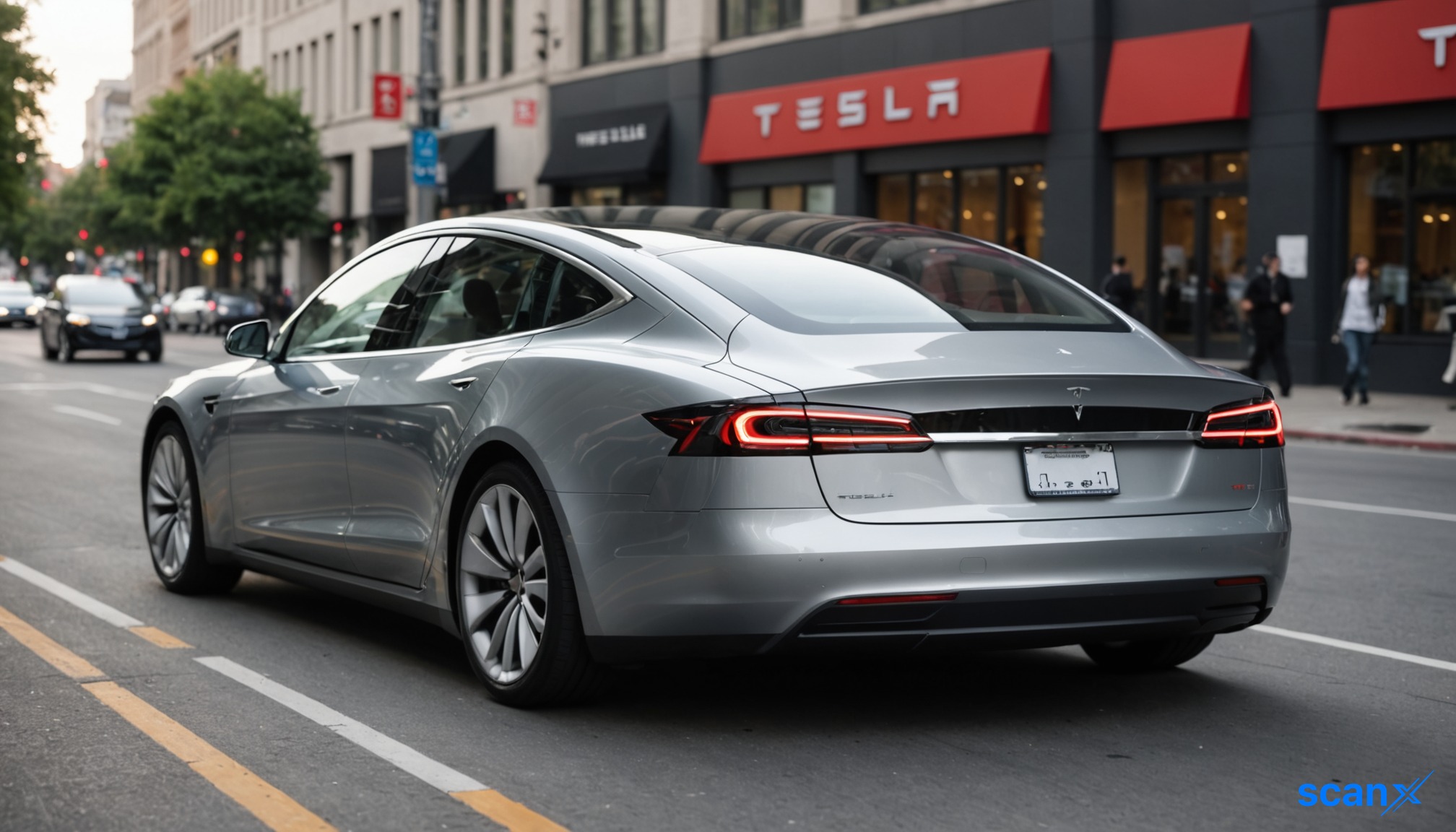

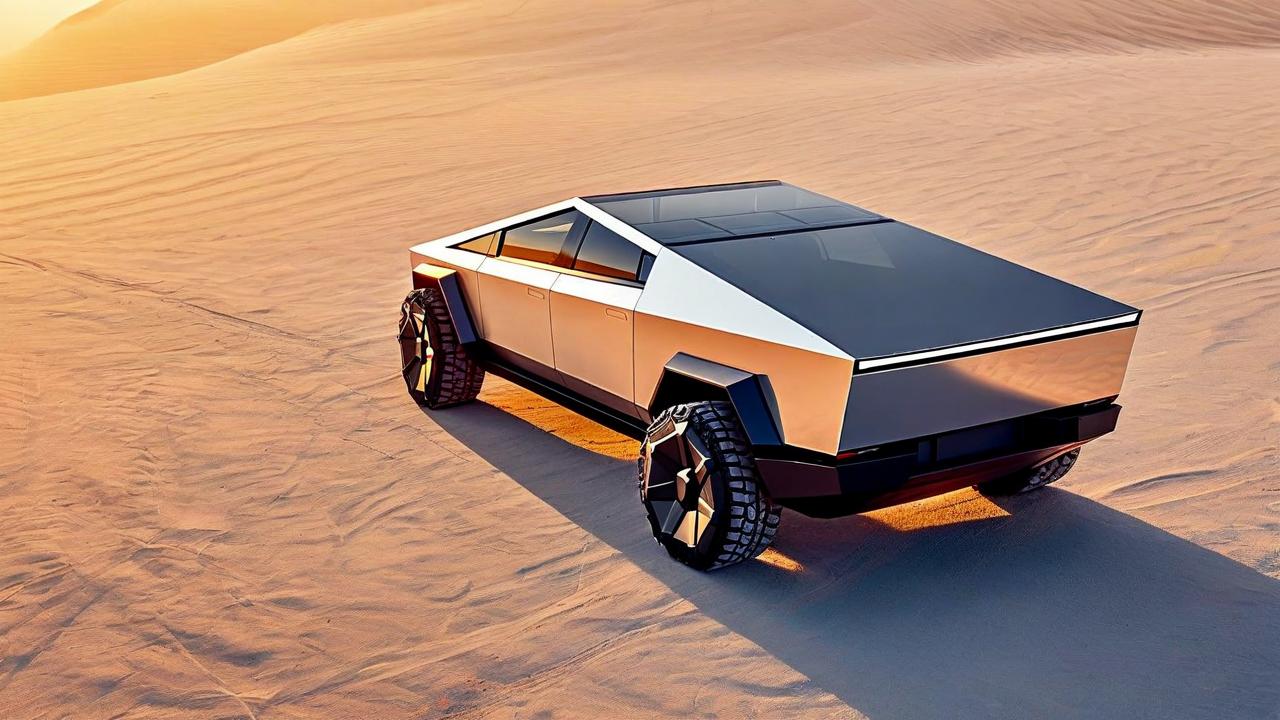
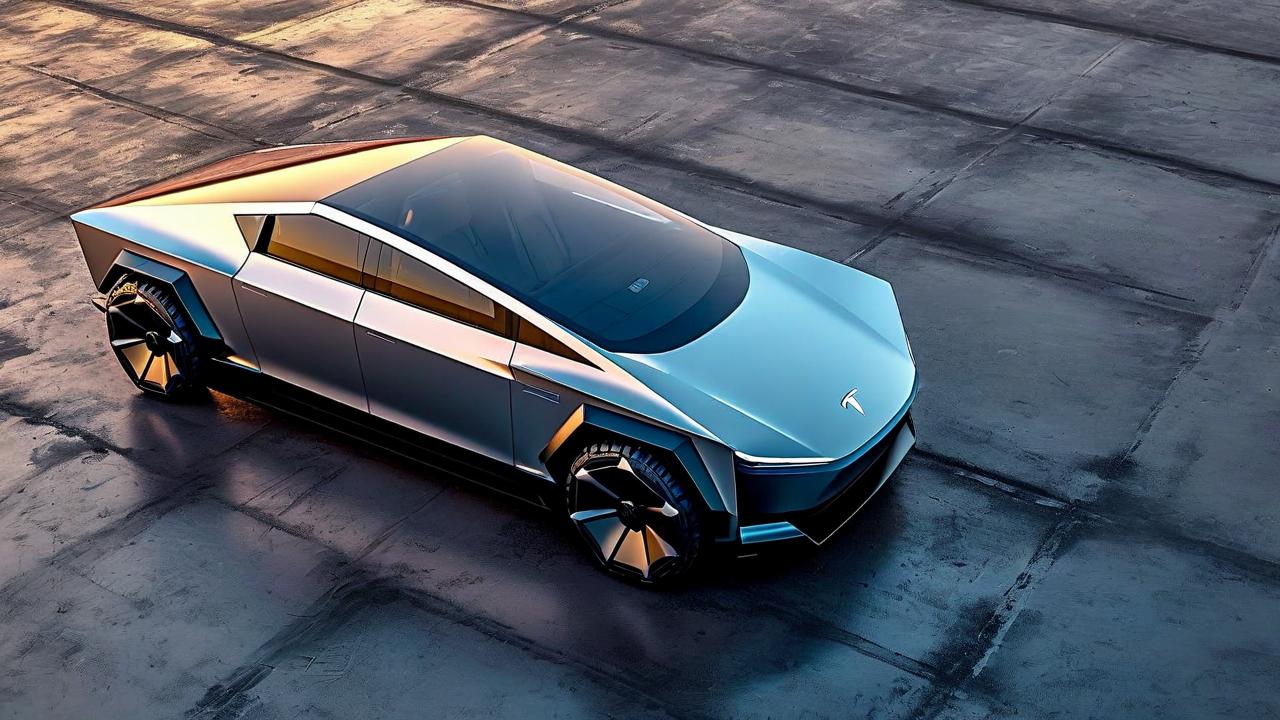
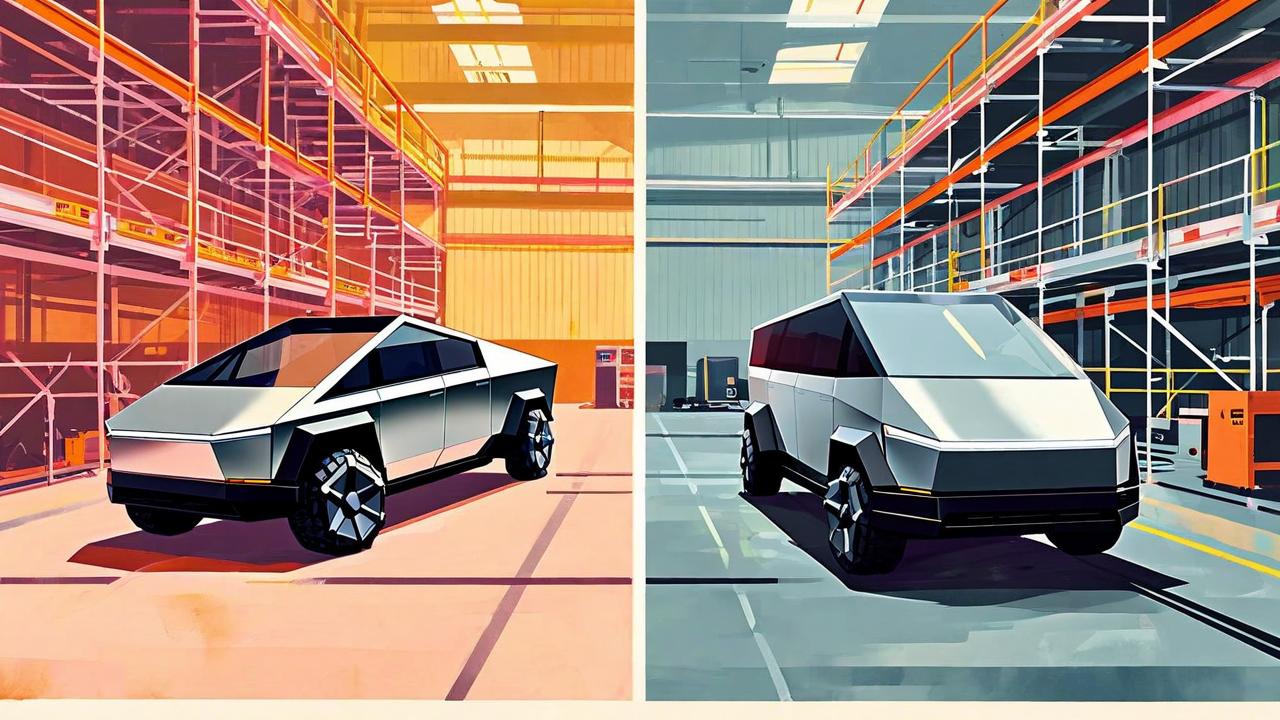
*this image is generated using AI for illustrative purposes only.
Tesla Inc (NASDAQ: TSLA) shifted focus from vehicle specifications to artificial intelligence during its Cybercab launch. The company highlighted over one million miles of unsupervised robotaxi operation as evidence of its AI-first approach.
CEO Elon Musk expanded the conversation beyond roads less than 24 hours later. He called autonomous flight an important next step for electric aircraft, linking the robotaxi strategy to a broader transportation vision.
AI Before Everything Else
Executives framed the Cybercab not as a new car but as a deployment of an intelligent agent. Vehicle software chief Ashok Elluswamy stated that self-driving is an intelligence problem rather than a sensor issue. He argued that no sensor can predict the future, requiring an AI system to understand and anticipate scenarios.
The company relies on camera inputs and vast real-world driving data instead of lidar or radar. Tesla claimed its models have accumulated more than a thousand lifetimes of experience through billions of customer miles. This data allows the system to recognize rare driving situations before they occur.
A Clue Beyond Cars
Musk’s comments on Heart Aerospace’s battery-electric X1 aircraft demonstrated consistency in this messaging. He wrote that making such aircraft autonomous is an important next step. This remark echoed the launch argument that reliable AI understanding of the physical world applies beyond cars.
Investors should watch whether this AI platform extends to other transport modes. The Cybercab serves as the first large-scale demonstration of this strategy. Success here could validate Tesla’s view of autonomy as a cross-modal technology rather than just a automotive feature.

How might Tesla's reliance on camera-only data influence regulatory approval timelines for its robotaxi network compared to competitors using lidar?
What are the potential capital expenditure implications for Tesla if it successfully extends its AI autonomy platform to electric aviation?
Could the success of the Cybercab as an 'intelligent agent' shift Tesla's primary revenue model from hardware sales to high-margin software subscriptions?
 19
19





 Create Custom Screeners
  Access 200+ Pre-built Filters
  Use 50+ Readymade Screener





