

Broadcom, OpenAI unveil Jalapeño AI inference chip


Broadcom Inc. and OpenAI unveiled Jalapeño, a custom AI inference chip co-developed in nine months to optimize large language model workloads. The processor, designed to minimize data movement and maximize efficiency, is the first step in a multi-generation platform planned for deployment in gigawatt-scale data centers by 2026. Broadcom provided silicon implementation and networking technologies, while Celestica Inc. assisted with system integration.



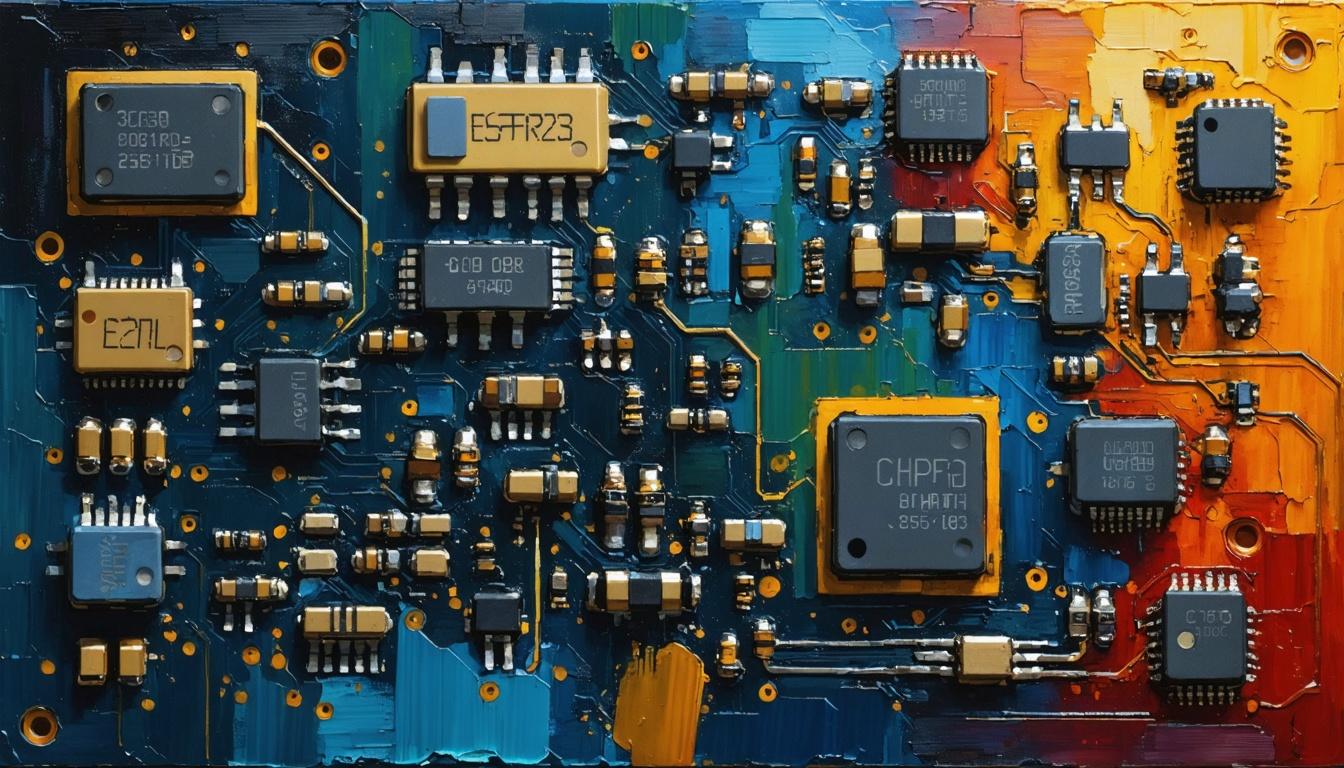
*this image is generated using AI for illustrative purposes only.
Broadcom Inc. and OpenAI unveiled Jalapeño, OpenAI’s first custom Intelligence Processor designed specifically for large language model (LLM) inference. Co-developed from initial design to manufacturing tape-out in nine months, the processor utilizes OpenAI models to optimize its design cycle. Engineering samples are currently running machine learning workloads, including GPT-5.3-Codex-Spark. Celestica Inc. assisted with board and rack system integration.
Custom Chip Development
The technical design of Jalapeño emphasizes minimizing data movement, a critical factor in improving overall system efficiency. By better integrating compute, memory, and networking resources, the processor seeks to maximize utilization rates. This approach is intended to bridge the gap between theoretical performance capabilities and actual realized performance in production environments. The architecture focuses on reducing data movement and balancing compute, memory, and networking resources to achieve realized utilization closer to theoretical peak performance.
Multi-Generation Infrastructure Roadmap
The hardware marks the first step in a multi-generation compute platform planned for initial deployment by the end of 2026. "By co-developing our industry-leading silicon directly with OpenAI, we are enabling the deployment of gigawatt-scale data centers with Microsoft and other partners beginning in 2026," Broadcom President and CEO Hock Tan stated.
Early testing indicates the chip delivers performance per watt substantially better than current state-of-the-art accelerators. "Based on early testing, Jalapeño will efficiently execute our most important workloads close to the hardware’s theoretical limits," said Richard Ho, leader of OpenAI’s hardware program.
Industry Context
Broadcom has quietly emerged as a key partner for hyperscalers and AI companies seeking specialized hardware tailored to specific workloads. Unlike NVIDIA, which sells its own accelerators, Broadcom’s opportunity lies in helping customers build theirs. The company’s role in the project includes providing silicon implementation and networking technologies, such as Tomahawk networking silicon, to facilitate the platform's large-scale production.
The shift toward custom silicon suggests the industry’s largest AI companies increasingly want hardware optimized for their own models and workloads rather than relying entirely on off-the-shelf chips. Alphabet Inc. has spent years developing its Tensor Processing Units, or TPUs. Amazon.com, Inc. built Trainium and Inferentia. Microsoft Corp introduced Maia. Meta Platforms, Inc. has been developing its own MTIA accelerators. Now OpenAI has joined the list.

How will the deployment of gigawatt-scale data centers by 2026 impact local power grids and energy sustainability efforts?
Will the performance per watt improvements of Jalapeño be sufficient to slow down the industry's demand for NVIDIA's off-the-shelf accelerators?
What are the potential risks for Broadcom if major hyperscalers decide to bring more of the chip design process in-house rather than relying on partners?
 20
20











 Create Custom Screeners
  Access 200+ Pre-built Filters
  Use 50+ Readymade Screener





