Indian Railways Accelerates Clean Energy Transition with 2,500 Locomotive Retrofit Plan

1 min read     Updated on 19 Jan 2026, 09:55 AM
scanx
Reviewed by
Radhika SScanX News Team
Overview

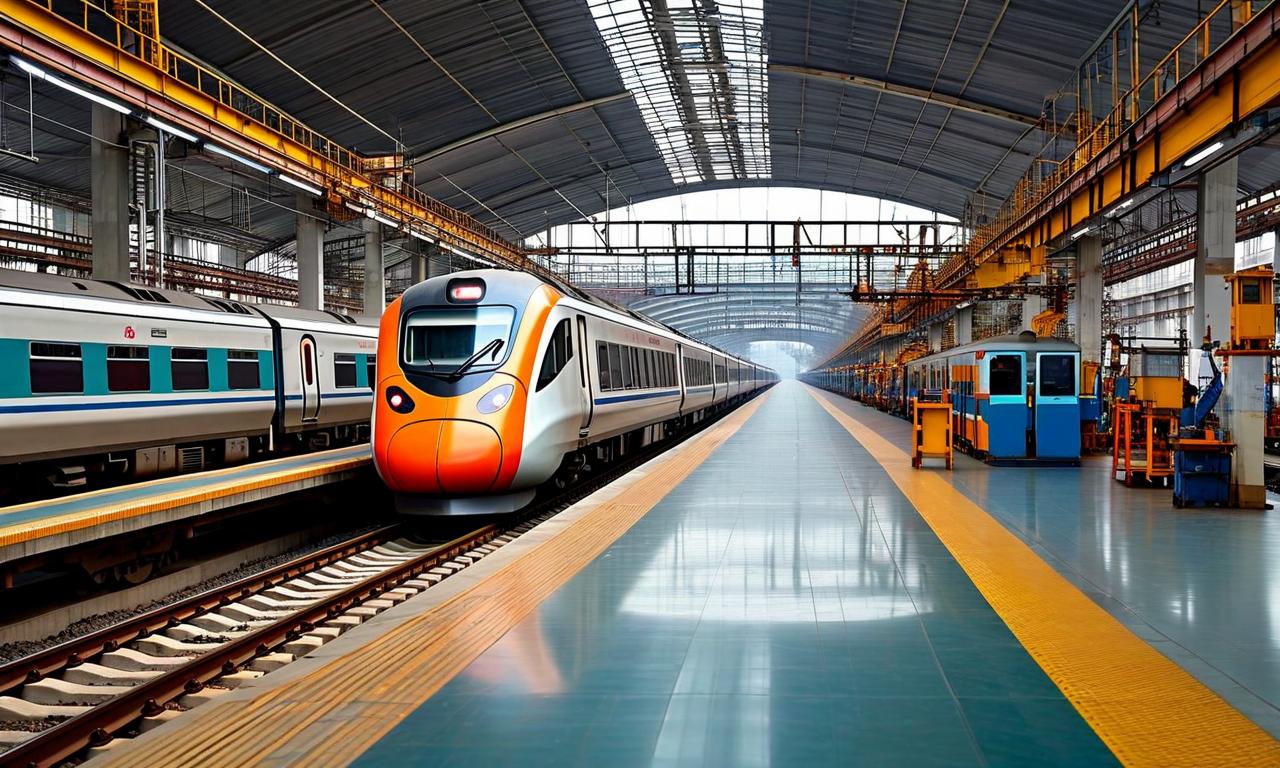
The Indian government is scaling up adoption of battery and alternative fuel-powered train engines to replace diesel locomotives for short to medium runs. The initiative targets approximately 2,500 diesel locomotives for replacement or retrofit with clean fuel-powered alternatives. This comprehensive plan represents a significant shift towards sustainable transportation infrastructure in India's railway sector, focusing on practical applications where new technologies can be most effectively implemented.

30342331

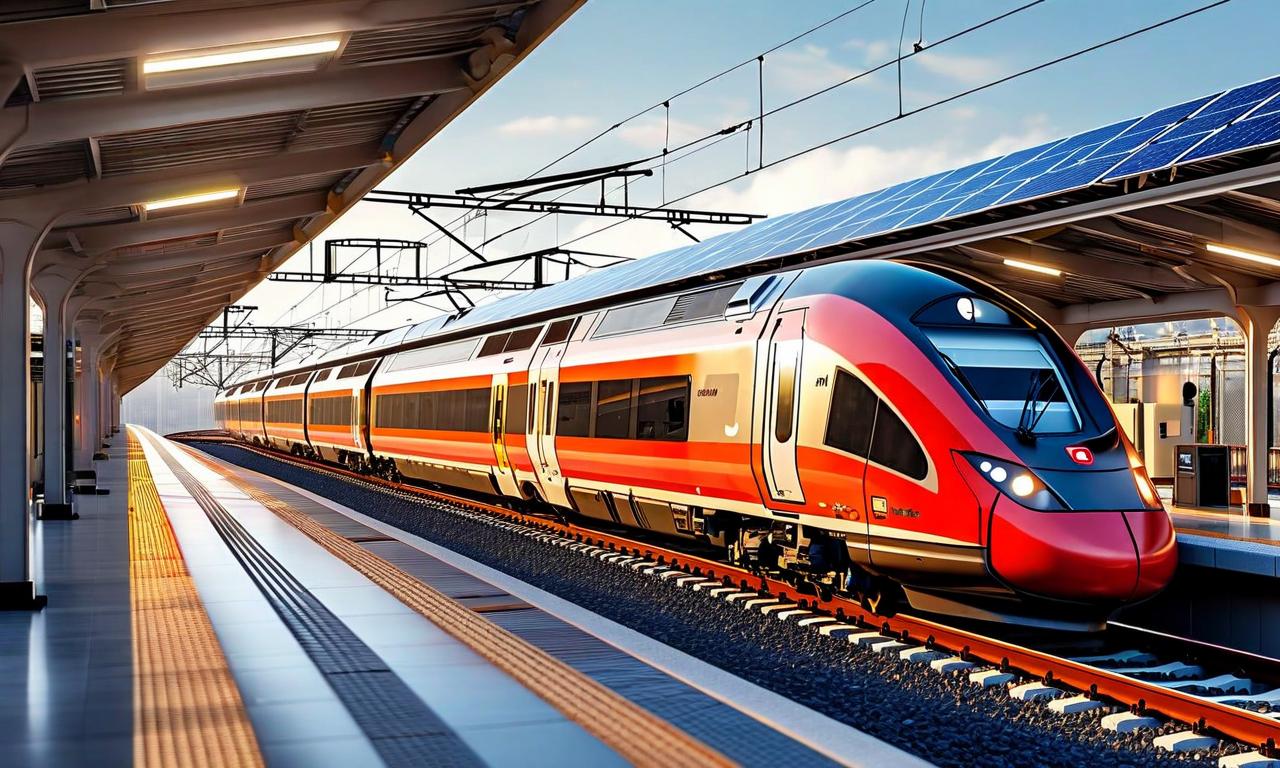
*this image is generated using AI for illustrative purposes only.

The Indian government has announced an ambitious clean energy transition plan for the railways sector, focusing on the large-scale adoption of battery and alternative fuel-powered train engines. This strategic initiative represents a significant step towards sustainable transportation infrastructure across the country's extensive railway network.

Clean Fuel Locomotive Initiative

The government's comprehensive plan centers on replacing diesel-fired locomotives with environmentally friendly alternatives, specifically targeting short to medium-distance railway operations. This focused approach acknowledges the practical applications where battery and alternative fuel technologies can be most effectively implemented in current railway operations.

Initiative Details: Specifications
Target Locomotives: 2,500 diesel units
Replacement Strategy: Complete replacement or retrofit
Technology Focus: Battery and alternative fuel-powered engines
Operational Scope: Short to medium runs

Retrofit and Replacement Strategy

The initiative encompasses a dual approach involving both complete locomotive replacement and retrofit solutions for existing diesel units. This flexible strategy allows for cost-effective implementation while maximizing the utilization of current railway assets. The retrofit option provides an economically viable pathway for upgrading older locomotives with clean fuel technology.

Technology Implementation Scope

The clean energy transition specifically targets short to medium-distance railway operations, where battery and alternative fuel technologies demonstrate optimal performance characteristics. This strategic focus ensures the most effective deployment of new technologies while maintaining operational efficiency across the railway network.

Infrastructure Modernization Impact

The 2,500 locomotive target represents a substantial portion of India's diesel locomotive fleet, indicating the government's commitment to comprehensive railway sector modernization. This large-scale initiative positions Indian Railways at the forefront of sustainable transportation technology adoption, potentially serving as a model for other developing nations pursuing similar clean energy transitions in their transportation infrastructure.

like16
dislike

Railways Declares Fare Calculation Methodology a 'Trade Secret', CIC Dismisses RTI Appeal

2 min read     Updated on 13 Jan 2026, 05:10 PM
scanx
Reviewed by
Jubin VScanX News Team
Overview

Indian Railways successfully defended its fare calculation methodology as a trade secret before the Central Information Commission, which dismissed an RTI appeal seeking detailed pricing information. The Railway Board cited Section 8 of the RTI Act and previous CIC orders to justify non-disclosure, arguing that fare fixation policies constitute intellectual property rights and that detailed pricing disclosure is not in public interest.

29850024

*this image is generated using AI for illustrative purposes only.

The Indian Railways has declared its passenger train fare calculation methodology as confidential commercial information, successfully defending against an RTI appeal seeking transparency in pricing mechanisms. The Central Information Commission (CIC) has dismissed the application, upholding the Railways' position on maintaining secrecy around fare determination processes.

RTI Appeal Details and Railway Board Response

The dismissed RTI application had sought comprehensive information about the Railways' fare calculation system, including details on base fare mechanisms, dynamic pricing implementation, and the impact of Tatkal bookings on ticket prices. The appellant specifically requested information related to the Paschim Superfast Express service's pricing structure.

RTI Request Components: Details
Base Fare Calculation: Detailed methodology sought
Dynamic Pricing: Implementation and impact analysis
Tatkal Bookings: Effect on overall fare structure
Specific Service: Paschim Superfast Express

The Railway Board's Chief Public Information Officer (CPIO) responded by invoking Section 8 of the RTI Act, which provides exemptions for sensitive information disclosure. The Railways maintained that fare charging operates on a class-based system with variations arising from different facilities provided across passenger classes.

Trade Secret and Commercial Confidence Claims

In its official reply accessed by PTI, the Railway Board stated that "the policy mechanism falls in the domain of trade secret/intellectual property rights" regarding fare classification and fixation methodology. The Railways emphasized that this information is exempt from disclosure under Section 8 of the RTI Act, which protects sensitive data including national security matters, trade secrets, and personal privacy information.

Railway officials referenced previous CIC orders that had supported non-disclosure of pricing methodologies, arguing that Indian Railways operates as a commercial utility while simultaneously fulfilling social obligations in the national interest. The organization highlighted its dual role as both a commercial enterprise and a state instrumentality responsible for various social functions.

Public Interest and Commercial Utility Arguments

The Railway Board CPIO argued that detailed pricing mechanism disclosure was not justified in public interest. The Railways distinguished its operations from private enterprises by stating: "Disclosure of pricing related information is not justified in public interest, as profit, if any, is distributed/transferred to common man and is not retained for the benefit of personal gain as in the case of private enterprise."

Railway Board Arguments: Justification
Commercial Utility: Operates as business entity
Social Obligations: Serves national interest
Profit Distribution: Benefits transferred to public
Trade Secret Protection: Intellectual property rights

CIC Decision and Final Disposition

Information Commissioner Swagat Das noted that the public information officer had already provided all disclosable information and general principles of railway rating policies. The Commission determined that the Railways was not required to create or interpret data beyond available records.

Finding no procedural irregularities in the Railway Board's response and noting the appellant's absence during the hearing, Commissioner Das concluded that no further intervention was necessary. The CIC disposed of the appeal, effectively maintaining the Railways' position on fare calculation confidentiality.

The decision reinforces the Railways' ability to protect its pricing methodologies under trade secret provisions while continuing to operate as both a commercial entity and public service provider. The ruling establishes precedent for similar future RTI requests seeking detailed fare calculation information from Indian Railways.

like20
dislike
More News on indian railways
Explore Other Articles