

Indian Railways Plans to Double Train Capacity in 48 Cities by 2030


Indian Railways has announced a comprehensive plan to double train originating capacity in 48 major cities by 2030, implemented through phased development over five years. The strategy includes terminal augmentation, new terminal creation, maintenance facility development, and sectional capacity enhancement. The plan covers major metropolitan areas and regional centers across India, with zonal railways preparing detailed implementation plans for submission to the Planning Directorate.

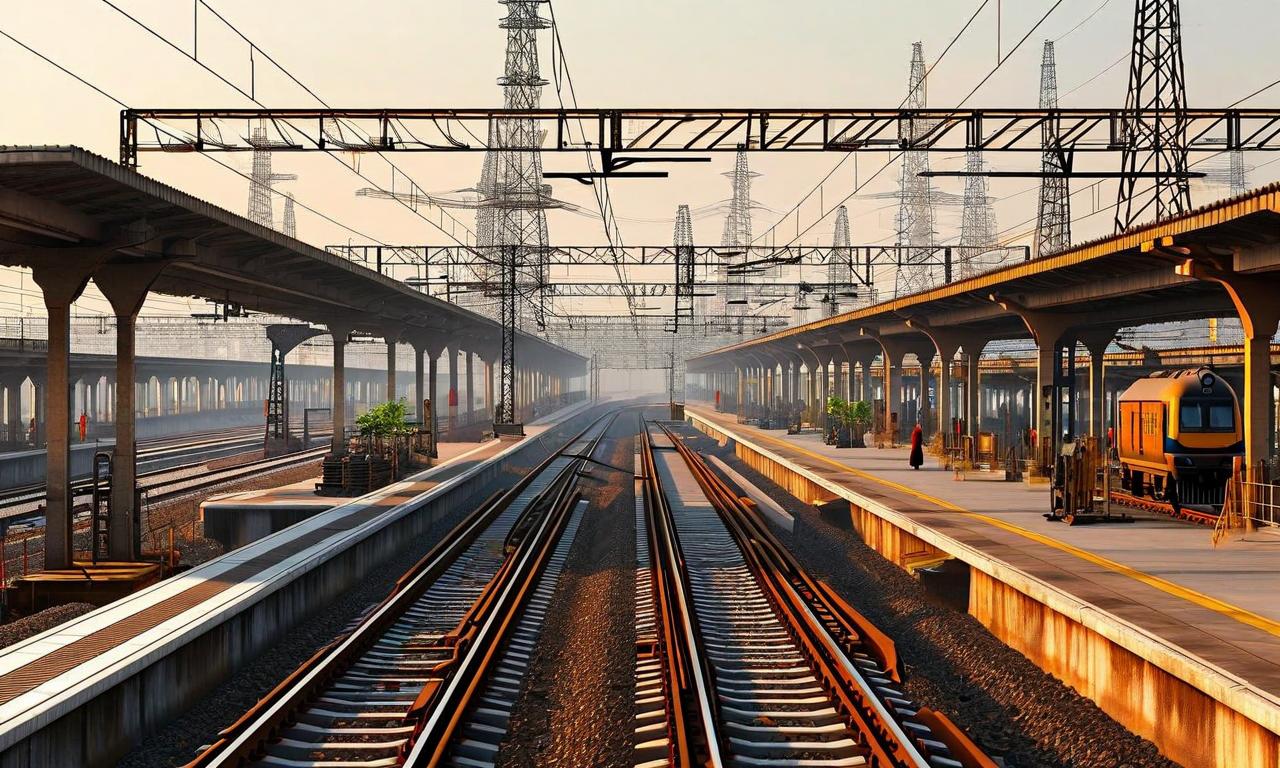

*this image is generated using AI for illustrative purposes only.
Indian Railways has unveiled a comprehensive infrastructure expansion plan aimed at doubling the originating capacity of trains across 48 major cities by 2030. The ambitious initiative responds to sustained growth in travel demand and will be implemented through phased development over the next five years, allowing benefits to accrue progressively.
Four-Pronged Development Strategy
The expansion plan encompasses four distinct types of infrastructure work designed to comprehensively address capacity constraints:
| Work Type | Details |
|---|---|
| Terminal Augmentation | Additional platforms, stabling lines, pit lines, and adequate shunting facilities |
| New Terminal Creation | Identification and development of new terminals in and around urban areas |
| Maintenance Facilities | Development of new maintenance facilities, including mega coaching complexes |
| Sectional Capacity Enhancement | Traffic facility works, signalling upgradation, and multitracking |
Integrated Urban Planning Approach
The capacity planning strategy extends beyond individual stations to include nearby stations, ensuring balanced traffic distribution across urban networks. A notable example is Pune, where the plan incorporates Hadapsar, Khadki, and Alandi stations in addition to expanding platforms and stabling lines at the main Pune station. This integrated approach aims to optimize the entire urban rail network rather than focusing solely on primary terminals.
Implementation Timeline and Coverage
While the final target year is set for 2030, the railway authorities will implement capacity increases in phases over the next five years. Actions will be categorized into immediate, short-term, and long-term initiatives. The exercise covers both suburban and non-suburban traffic, with each zonal railway responsible for preparing comprehensive plans and addressing operational constraints in stations and yards.
Cities Covered Under the Plan
The comprehensive expansion covers 48 cities across India, including major metropolitan areas and significant urban centers:
Major Metropolitan Cities: Delhi, Mumbai, Kolkata, Chennai, Hyderabad, Bangalore, Pune, Nagpur
Regional Centers: Patna, Lucknow, Varanasi, Kanpur, Gorakhpur, Chandigarh, Ludhiana, Amritsar, Indore, Bhopal, Jaipur, Jodhpur, Cochin, Guwahati
Cultural and Religious Centers: Mathura, Ayodhya, Agra, Ujjain, Haridwar, Puri, Tirupati
Industrial and Commercial Hubs: Amdavad, Vadodara, Surat, Vishakhapatnam, Vijayawada, Coimbatore, Tatanagar, Ranchi, Raipur
Administrative Framework
Zonal railways will prepare comprehensive plans for their respective cities and submit them to the Planning Directorate. These plans will detail proposed, planned, and already sanctioned works required to achieve the capacity doubling target within the specified timeframe. Each zonal railway will also focus on increasing sectional capacity and resolving operational bottlenecks in stations and yards to ensure smooth implementation of the expansion program.
 16
16




 Access Market Heat-map & Insights
  Create, Save & Share your Screener
  Use 200+ Screening Filters





