

Railways Misses Second Kavach Deadline on Key Routes, Eyes 2026 Completion


Indian Railways has postponed the installation of the Kavach automatic train protection system on the New Delhi-Mumbai and New Delhi-Howrah routes to 2026, missing the December 2025 deadline. About 25% of the work has been commissioned, with 738 route km operational. The project scope covers 15,512 route km of Golden Quadrilateral, Golden Diagonal, and High Density Network sections. Officials cite the need for more approved vendors to expedite installation across the 78,000 km broad-gauge network.

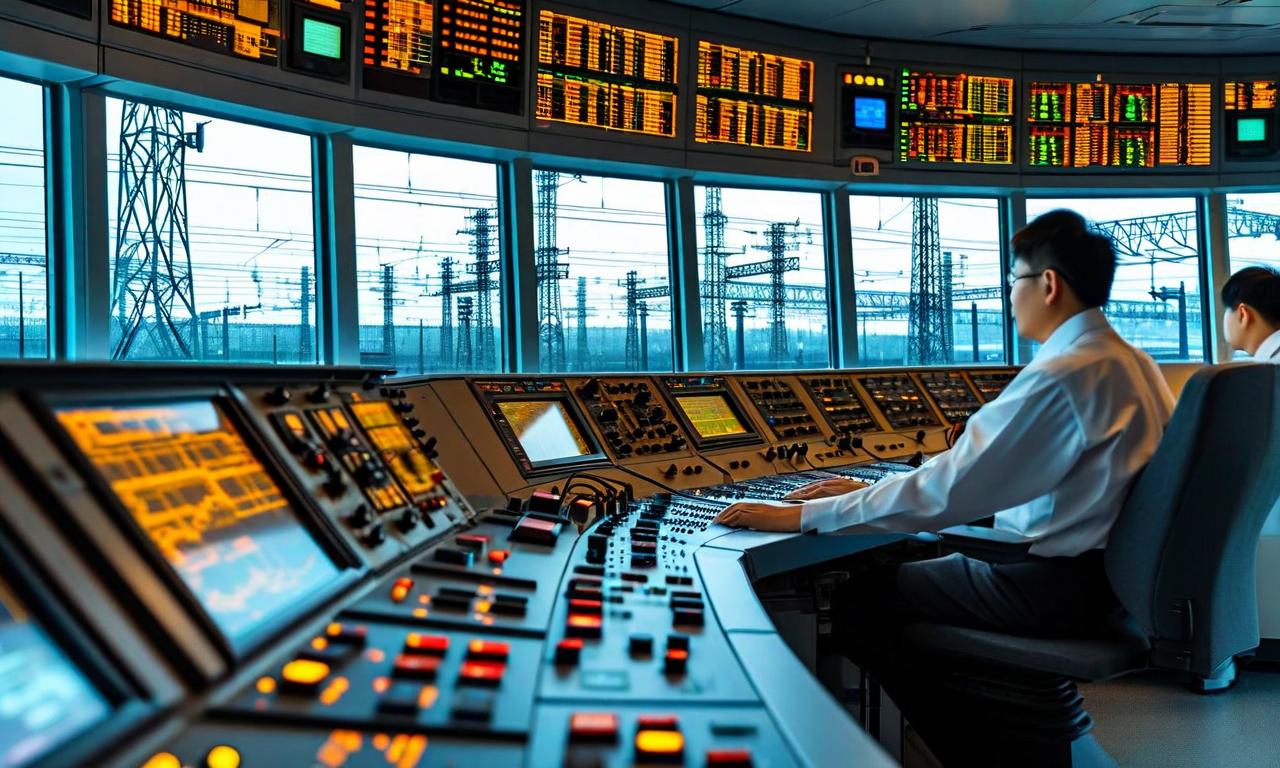

*this image is generated using AI for illustrative purposes only.
Indian Railways has missed its December 2025 deadline for installing the Kavach automatic train protection system on the critical New Delhi-Mumbai and New Delhi-Howrah routes, marking the second postponement of this ambitious safety initiative. Railway officials now target 2026 for full operationalization, citing significant progress with approximately 25% of the work commissioned and 738 route km operational.
Kavach System Overview and Progress
Kavach represents an indigenously developed Automatic Train Protection (ATP) system designed as a highly technology-intensive safety solution. The system assists locomotive pilots in maintaining specified speed limits through automatic brake application when manual intervention fails. Railway Minister Ashwini Vaishnaw provided detailed progress updates to the Lok Sabha on December 17, highlighting substantial achievements in system deployment.
The current operational status shows impressive infrastructure development:
| Component | Progress |
|---|---|
| Operational Route km | 738 km commissioned |
| Optical Fiber Cable | 7,129 km laid |
| Telecom Towers | 800 installed |
| Station Kavach | 860 stations equipped |
| Track-side Equipment | 5,672 route km covered |
| Loco Kavach | 4,154 locomotives equipped |
Timeline Revisions and Current Status
The project has experienced multiple deadline adjustments, reflecting the complexity of implementing advanced safety technology across India's vast railway network. The Railway Ministry initially announced completion by March 2025 on August 7, 2024, subsequently extending the deadline to December 2025 through a budget document released February 1, 2025.
Kavach Version 4.0 has been successfully commissioned on two critical sections:
| Route Section | Distance | Corridor |
|---|---|---|
| Palwal-Mathura-Nagda | 633 km | Delhi-Mumbai route |
| Howrah-Bardhaman | 105 km | Delhi-Howrah route |
Technology Development and Deployment Scale
The Kavach system has undergone extensive development since its initial field trials on passenger trains began in February 2016. Indian Railways adopted it as the National ATP system in July 2020, following successful trials of version 3.2 on 1,465 routes across South Central Railway. The experience gained from these trials enabled the launch of the enhanced 4.0 version on July 16, 2024.
The current deployment scope encompasses 15,512 route km covering all Golden Quadrilateral (GQ), Golden Diagonal (GD), and High Density Network (HDN) sections. Additionally, bids have been invited for equipping another 9,069 locomotives with Kavach version 4.0, demonstrating the phased implementation approach adopted by Indian Railways.
Industry Capacity and Future Outlook
Railway officials acknowledge significant challenges in scaling up installation capacity to meet the ambitious timeline. Initially, only three companies held approval for Kavach installation on the Indian Railways network. The approved vendor base has now expanded to over five companies, with expectations of exceeding 20 approved vendors by 2026.
Officials emphasize the need for substantial capacity expansion, stating that Indian Railways requires more than 50 original equipment manufacturers to expedite the installation process across the 78,000 km broad-gauge network, which continues expanding with new areas being added to the rail network. This infrastructure development represents a critical safety enhancement for India's railway system, addressing the growing need for technical aids to minimize human error risks as train operations increase significantly.
 19
19





 Access 50+ Readymade Screeners
  Use 200+ Custom Filters
  Get Full Market Insights





