

Indian Markets Lose ₹9 Lakh Crore in First Trading Week Amid Trump Tariff Concerns


Indian equity markets recorded their worst start to a calendar year with investors losing over ₹9 lakh crore in five trading sessions. The Sensex fell more than 2,000 points during the week, driven by Trump's tariff rhetoric on Indian goods and potential 500% tariffs on Russian oil importers. Foreign investors sold ₹3,367 crore worth of equities on Thursday, extending their selling streak. Technical indicators show bearish patterns with Nifty losing 2.40% and India VIX jumping 16%, while experts await the US Supreme Court verdict on Trump tariff legality.



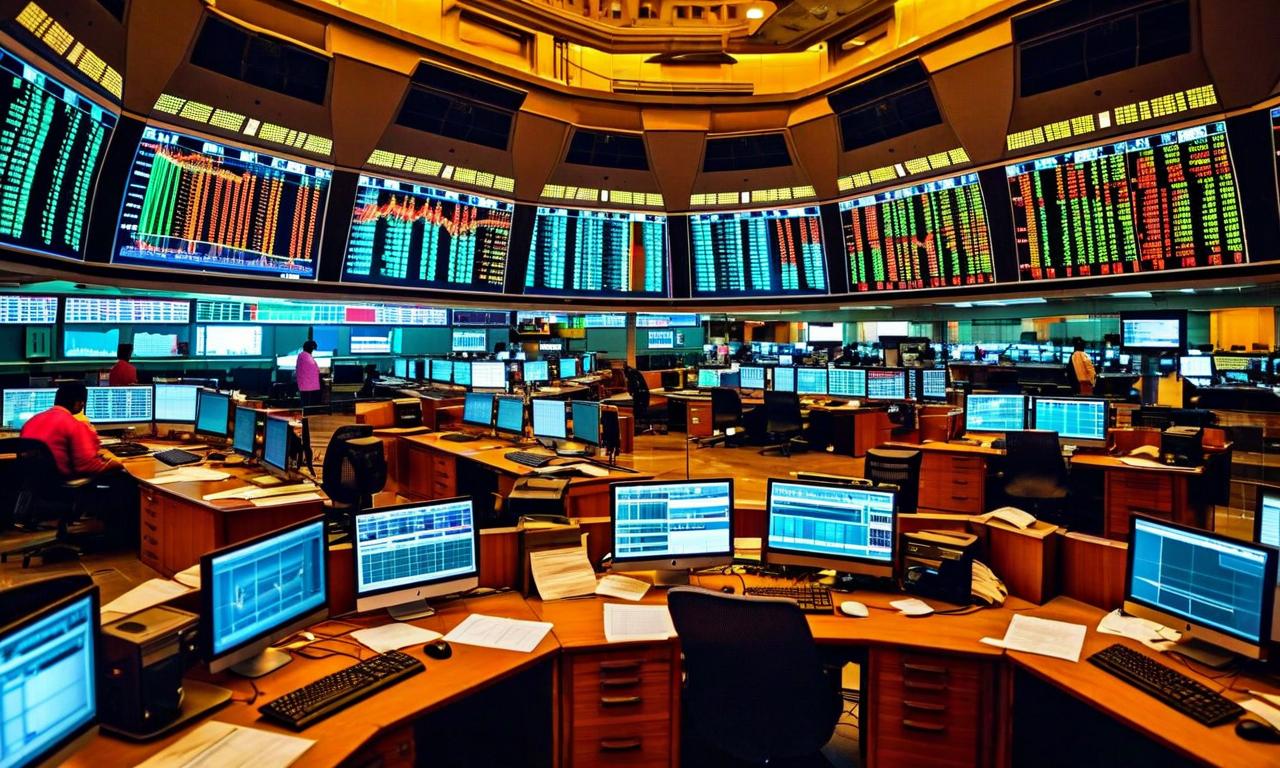
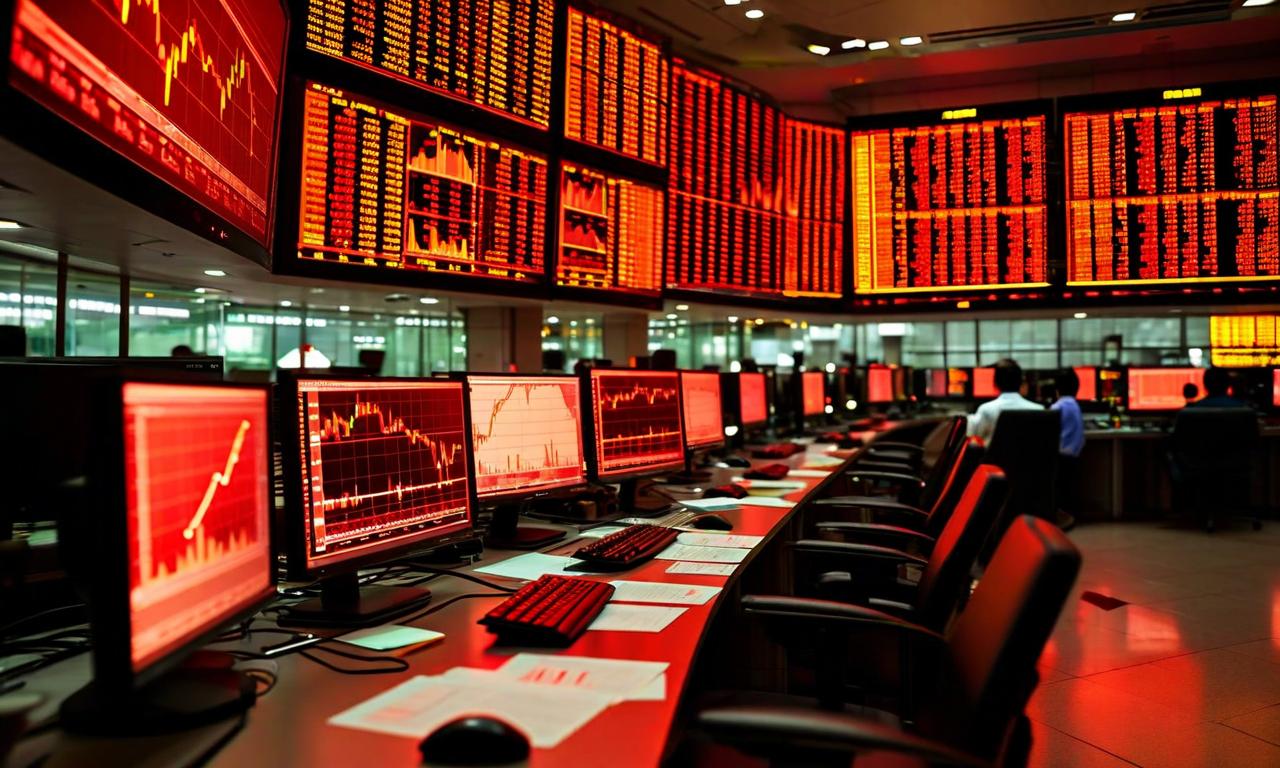
*this image is generated using AI for illustrative purposes only.
Indian equity markets suffered their most devastating start to a calendar year in recent memory, with sustained selling pressure wiping out over ₹9 lakh crore in investor wealth across just five trading sessions. The Sensex plummeted more than 2,000 points during the week, including a sharp 600-point decline on Friday, as global uncertainty and trade tensions created what market participants described as a comprehensive "risk-off" phase across Dalal Street.
Trump Tariff Rhetoric Triggers Market Rout
The primary catalyst behind the sustained selloff was renewed tariff-related rhetoric from US President Trump, who signaled potential increases in tariffs on Indian goods over India's continued purchases of Russian crude oil. The situation deteriorated further when the US hinted at imposing punitive 500% tariffs on countries importing Russian oil, rekindling fears of major disruptions to global trade flows.
The India-US trade relationship has come under intense scrutiny as negotiations on a bilateral trade agreement remain unresolved despite six rounds of talks since March. US Commerce Secretary Howard Lutnick recently claimed that the deal stalled due to a lack of direct engagement between Prime Minister Narendra Modi and Trump. The Trump administration has already imposed tariffs of up to 50% on Indian goods, among the highest levied on any country.
Sustained Foreign Investor Exodus
Foreign institutional investor outflows significantly amplified the market's weakness throughout the week. The selling pressure remained intense, with foreign investors offloading Indian equities worth ₹3,367 crore on Thursday alone, extending their selling streak to a fourth consecutive session after a brief pause earlier in the month.
| Trading Session Impact: | Details |
|---|---|
| Total Market Loss: | ₹9 lakh crore |
| Sensex Decline: | 2,000+ points |
| Friday Drop: | 600 points |
| FII Outflow (Thursday): | ₹3,367 crore |
Persistent FII selling has particularly impacted large-cap stocks where foreign ownership remains high. Defensive sectors offered limited support as investors largely remained on the sidelines, awaiting clarity on global trade policy and geopolitical developments.
Technical Analysis Reveals Bearish Patterns
From a technical perspective, the damage proved equally severe across key market indicators. Ponmudi R, CEO of Enrich Money, noted that the Nifty lost nearly 2.40% over the week, forming lower highs and lower lows in a classic bearish pattern. The index slipped below key short-term moving averages, with momentum indicators pointing to continued weakness.
While mild buying emerged near 25,623 levels, the lack of strong volumes prevented any meaningful recovery. Immediate support lies around 25,600, with a stronger base near 25,500, while 26,000 now acts as a major resistance zone.
Vinod Nair, Head of Research at Geojit Investments, observed that markets remain stuck in a consolidation phase due to weak global cues, rising bond yields and persistent FII outflows. He added that uncertainty around US-India tariff negotiations and geopolitical tensions has intensified domestic risk-off sentiment.
Nilesh Jain, Head of Technical and Derivatives Research at Centrum Broking, pointed out that the Nifty slipped below the 25,700 mark and faced stiff resistance near its 50-day moving average. Momentum indicators have generated sell signals on both daily and weekly charts, while India VIX jumped 16% during the week, signaling rising fear in the market.
Critical US Supreme Court Verdict Awaited
Investors are closely monitoring a crucial development as the US Supreme Court is set to deliver a landmark ruling on the legality of sweeping tariffs imposed by Trump under the International Emergency Economic Powers Act. According to VK Vijayakumar, Chief Investment Strategist at Geojit Investments, there is a high probability of the verdict going against Trump, but the market reaction will depend on whether the tariffs are partially struck down or declared entirely illegal.
Expert Recommendations for Investors
Market experts are advising caution rather than panic in the current environment. While near-term sentiment remains fragile, several analysts believe the current fall is corrective rather than a complete trend reversal. Long-term investors are being advised to avoid aggressive buying, focus on high-quality stocks, and stagger investments gradually. Short-term traders are recommended to stay light, respect stop-loss levels and brace for continued volatility until global clarity emerges.
 16
16







 Create Custom Screeners
  Access 200+ Pre-built Filters
  Use 50+ Readymade Screener





