

Rentomojo table rentals gain traction in six Indian metros in 2026


- Rentomojo sees growing adoption of table rentals across six Indian metros in 2026
- Study desks start at ₹79/month and four-seater dining sets at ₹303/month on 36-month plans
- Purchase costs for comparable items range from ₹8,000 to over ₹30,000
- Company cites Redseer Report as largest D2C rental platform by FY25 subscription revenue
- Service includes free assembly, repairs and relocation with deposits of one to two months rent

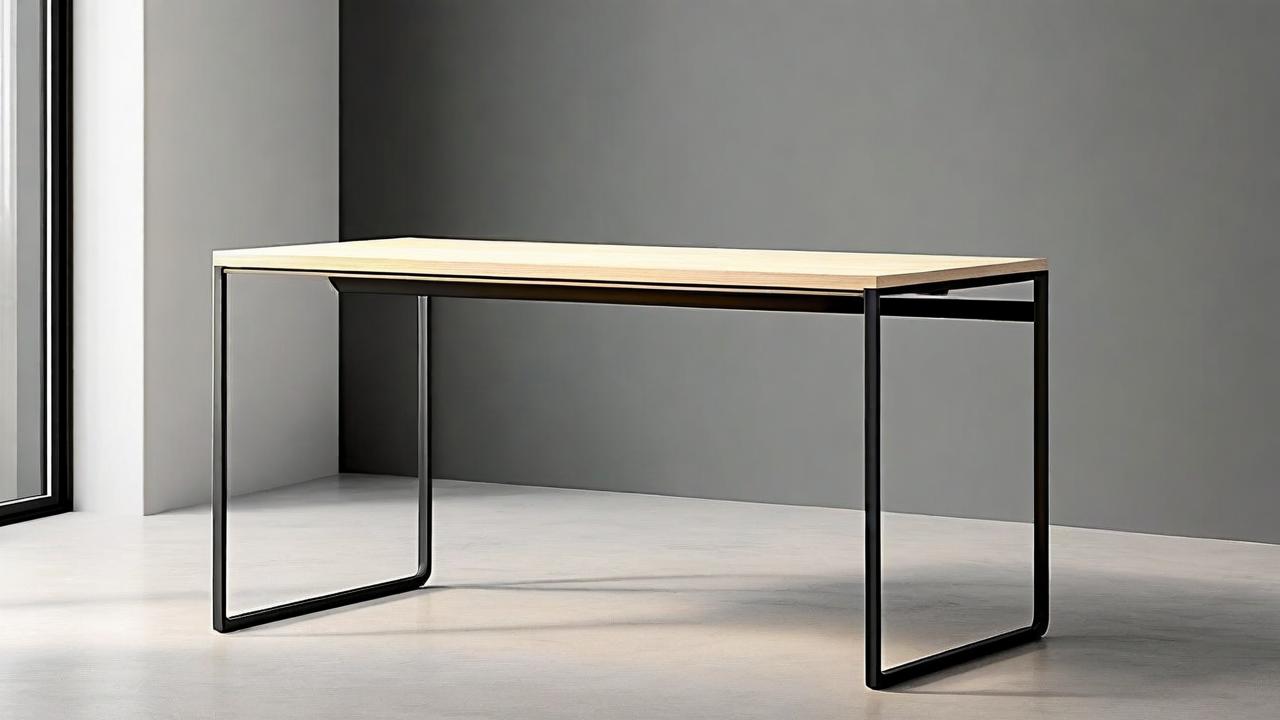

*this image is generated using AI for illustrative purposes only.
Rentomojo reports growing adoption of table rentals across six major Indian metros in 2026. The platform lists study desks from ₹79 a month and four-seater dining sets from ₹303, offering a cost-controlled alternative to ownership for high-mobility households.
The rental model targets urban centers including Bangalore, Delhi NCR, Mumbai, Hyderabad, Pune and Chennai. Demand is particularly steady in IT corridors and high-churn rental housing sectors. Rentomojo, active in the category since 2014, cites its draft red herring prospectus filed on March 27, 2026, as evidence of its market position. According to the Redseer Report, the company is the largest tech-driven full-stack D2C online rental platform in India by FY25 subscription revenue and live subscribers.
Pricing and Configuration
Rental pricing contrasts sharply with outright purchase costs. A four-seater dining set with chairs runs from ₹303 a month on a 36-month plan, whereas buying the same item typically costs past ₹30,000 depending on material and seating. Study tables list from ₹79 a month, and centre tables from ₹86. Small pieces like side tables generally fall between ₹8,000 and ₹18,000 if purchased outright.
| Furniture Type | Monthly Rental Start | Purchase Cost Range |
|---|---|---|
| Study Desk/Table | ₹79 | ₹8,000 - ₹18,000 |
| Centre Table | ₹86 | ₹8,000 - ₹18,000 |
| Four-Seater Dining Set | ₹303 | ₹30,000+ |
Configuration options allow households to size living spaces to current flats rather than previous ones. Dining sets are available in two, four, six and eight-seater formats across sheesham, engineered wood and glass-top variants. Study desks extend to computer tables and work-from-home bundles, while centre tables share ranges with coffee and side tables in wooden and metal-frame designs.
Service Terms and Logistics
Service terms remain uniform across all six metros. Delivery with professional assembly completes within 48 to 72 hours. Minimum tenure begins at three months and extends to 36 months. Plans include free repairs and free relocation within and outside each city throughout the contract period. Onboarding requires standard KYC and a refundable deposit of one to two months of rent collected at checkout.
Rentomojo supports this service infrastructure with an in-house team of 1,688 technicians, carpenters and painters. This operational capacity addresses the logistical challenges of ownership, where flat-pack joinery often fails after dismantling and glass tops travel poorly. Resale recovery for small furniture remains low, making rental an attractive option for households on tenure horizons under three years.
What the Numbers Show
The data highlights a significant divergence between upfront capital expenditure and recurring operational costs for urban renters. While the purchase price of a dining set exceeds ₹30,000, the monthly rental outlay of ₹303 represents less than 1% of the asset's value per month. This pricing structure shifts the financial burden from capital acquisition to flexible usage, aligning costs with the short-term tenure horizons typical of high-mobility city dwellers.

How might Rentomojo's upcoming IPO, indicated by the March 2026 draft red herring prospectus, influence its expansion strategy and capital allocation for logistics infrastructure?
What are the potential risks to Rentomojo's unit economics if consumer sentiment shifts back towards asset ownership due to changes in interest rates or housing market stability?
Could the success of this low-cost rental model in India prompt traditional furniture manufacturers to develop their own direct-to-consumer rental divisions or partnerships?
 18
18







 Create Custom Screeners
  Access 200+ Pre-built Filters
  Use 50+ Readymade Screener





