

Rentomojo prospectus cites Mumbai, Pune appliance rental uptake


- Rentomojo filed its draft red herring prospectus on March 27, 2026
- Cited as largest D2C online rental platform by FY25 subscription revenue
- Washing machine plans start at ₹392 in Mumbai and ₹406 in Pune
- Ownership outlay for three appliances ranges from ₹50,000 to ₹80,000

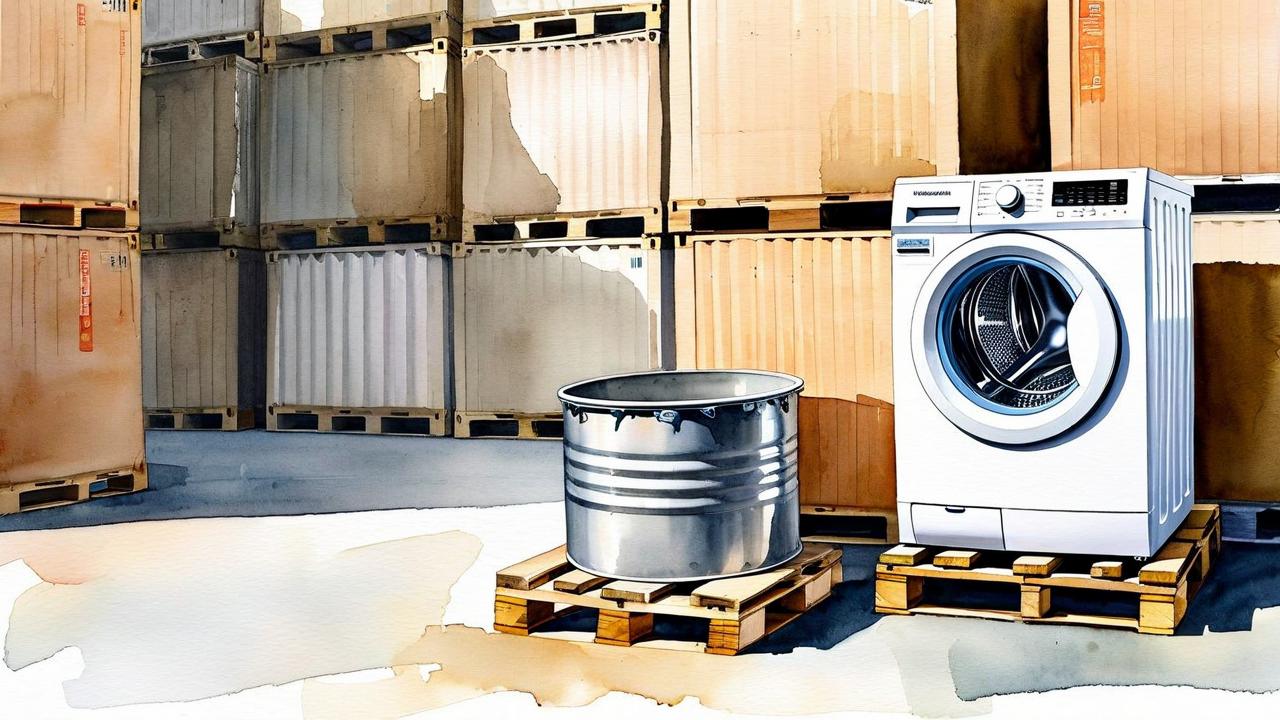

*this image is generated using AI for illustrative purposes only.
Appliance rental is gaining traction in Mumbai and Pune as professionals weigh monthly plans against high upfront ownership costs. Rentomojo’s draft red herring prospectus filed on March 27, 2026, cites this shift as a key driver of its growth.
The platform, which has operated since 2014, reported being the largest tech-driven full-stack D2C online rental platform in India by FY25 subscription revenue and live subscribers, according to the Redseer Report cited in the filing. It supports operations with an in-house team of 1,688 technicians, carpenters, and painters.
Rental Economics
The decision to rent rather than buy is driven by the mismatch between short-term housing leases and the long useful life of appliances. Furnishing a shared flat typically requires a refrigerator, washing machine, and air conditioner. Buying these outright involves a capital outlay of ₹50,000 to ₹80,000.
In contrast, rental plans offer flexible tenures ranging from three to 36 months, aligning with standard 11-month rental agreements. Key pricing points include:
| Appliance | City | Monthly Plan Start | Notes |
|---|---|---|---|
| Washing Machine | Mumbai | ₹392 | Base plan |
| Washing Machine | Pune | ₹406 | Base plan |
| Mini Fridge | Mumbai | ₹420 | Single-door units vary |
| Fully Automatic WM | Pune | ₹518 | On 36-month plan |
What the Numbers Show
A clear divergence exists between the capital intensity of ownership and the operational flexibility of renting. While a mid-range 190-litre single-door refrigerator costs ₹12,000 to ₹20,000 to buy, it typically retains only 40% to 50% of its value at exit. This depreciation, combined with transport and reinstallation charges, makes the fixed monthly outflow of rental plans—such as the ₹392 washing machine plan in Mumbai—a cost-controlled alternative for households with tenure horizons under three years.
Market Dynamics
Uptake is concentrated in high-turnover areas such as Bandra, Powai, Lower Parel in Mumbai, and Hinjewadi, Baner in Pune. Search behavior indicates a recalculation of costs, with volume moving toward comparison-shaped queries for appliance rentals.
Ownership in shared tenancies carries hidden operational loads, including reimbursement disputes upon mid-lease exits and undefined servicing responsibilities. Rental platforms address these by providing delivery and professional installation within 48 to 72 hours, along with covered servicing and repair for the plan’s duration. Relocation within and outside each city is included in the subscription model.

How might Rentomojo's impending IPO impact its pricing strategy and service quality as it transitions from private to public market accountability?
What are the long-term sustainability implications of the 'rent-to-own' model on electronic waste management and circular economy initiatives in India?
Could major appliance manufacturers view rental platforms like Rentomojo as direct competitors, potentially leading to exclusive partnerships or price wars?
 18
18







 Access Market Heat-map & Insights
  Create, Save & Share your Screener
  Use 200+ Screening Filters





