

Rentomojo sees rising NCR appliance rental demand as costs favor leasing


- Rentomojo sees rising demand for appliance rentals in Delhi, Noida, and Gurgaon among mobile urban renters
- Washing machine plans start at ₹391/month in Noida; refrigerator plans start at ₹524/month in Delhi
- Combined purchase cost for fridge, washing machine, and AC ranges from ₹50,000 to ₹80,000
- Rental includes delivery, installation, and servicing, addressing hidden ownership costs like repairs and relocation
- Rentomojo filed its draft red herring prospectus on March 27, 2026, citing FY25 leadership in subscription revenue

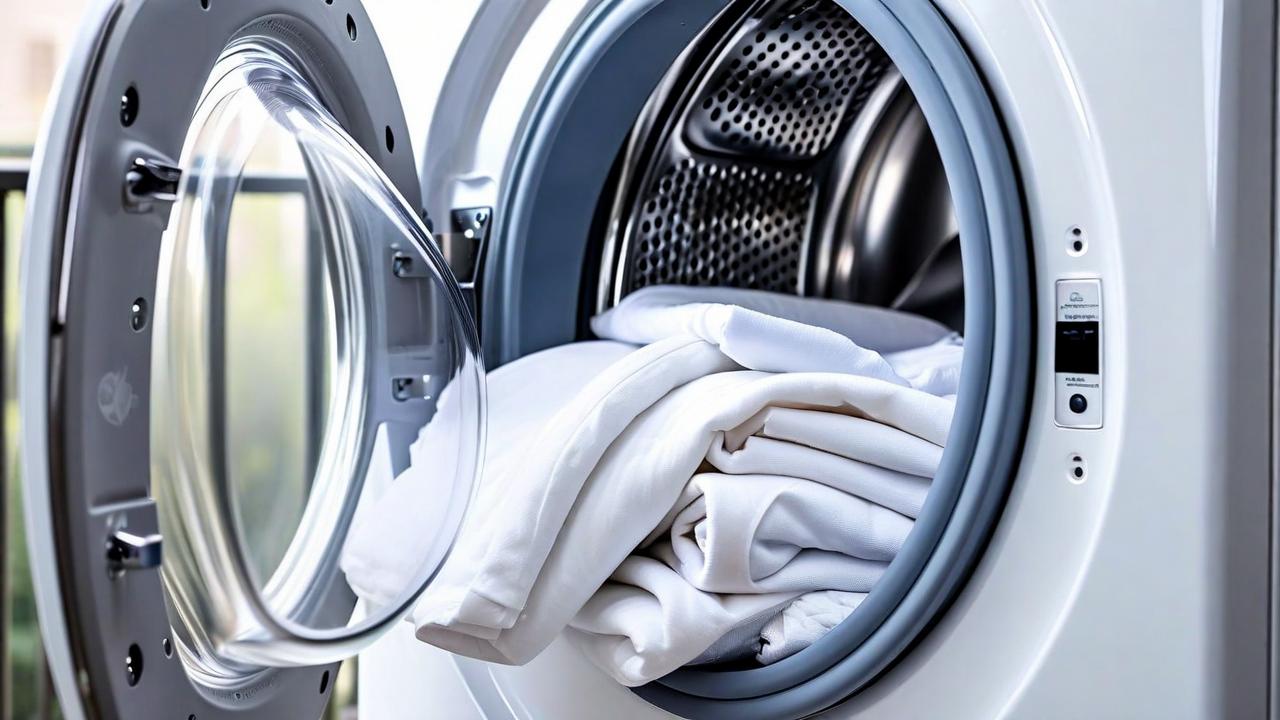

*this image is generated using AI for illustrative purposes only.
Rentomojo is witnessing consistent demand for household appliance rentals across Delhi, Noida, and Gurgaon as mobile urban renters increasingly choose monthly access over high upfront purchase costs. The platform, active since 2014, positions itself as a cost-controlled alternative for households on short corporate postings.
The shift is driven by the economics of temporary tenancies. Equipping a rented flat typically requires purchasing a refrigerator, washing machine, and air conditioner, with combined purchase costs ranging from ₹50,000 to ₹80,000. For households on corporate postings, this capital outlay occurs before the duration of their stay is known, creating ownership liabilities rather than product benefits.
Rental Economics vs Ownership
Rental plans resolve the variables of depreciation, repair liability, and disposal. A washing machine plan starts at ₹391 a month in Noida, while refrigerator plans begin at ₹524 a month in Delhi. In contrast, buying these appliances together involves significant upfront capital and subsequent maintenance risks.
| Appliance | Rental Plan Start Price | Location | Purchase Cost Range (Combined) |
|---|---|---|---|
| Washing Machine | ₹391/month | Noida | ₹50,000–₹80,000 (3 appliances) |
| Refrigerator | ₹524/month | Delhi | ₹50,000–₹80,000 (3 appliances) |
| Refrigerator (Mini) | ₹379/month | Delhi | Varies |
| Washing Machine (Top-load) | ₹655/month | Gurgaon | Varies |
Ownership introduces hidden costs that surface after the initial purchase. Out-of-warranty service calls, including compressor faults and control-board failures, begin from the second year. Moving large appliances between sectors or out of the region adds transport and reinstallation expenses that are rarely budgeted at the point of sale.
Service and Flexibility
Rentomojo’s model includes delivery and professional installation within 48 to 72 hours across all three cities. Servicing and repair remain included in the plan for its duration, with tenures starting at three months and extending to 36 months. Relocation within and outside each city is handled by the provider, addressing the high churn in markets like Sector 62, Cyber City, and Greater Noida West.
Depreciation further influences the decision. A refrigerator or washing machine bought between ₹18,000 and ₹45,000 resells slowly, recovering a shrinking fraction of its price with each year of use. Rental removes both the resale step and the repair variable, leaving a fixed line item. This logic is particularly relevant for project-bound households on tenure horizons under three years.
What the Numbers Show
The data reveals a clear divergence between upfront capital expenditure and operational expenditure for urban renters. While the purchase cost of three key appliances ranges from ₹50,000 to ₹80,000, the monthly rental commitment for similar utility starts significantly lower, with plans from ₹391 per month. This structure shifts the financial burden from a large, depreciating asset purchase to a predictable, service-inclusive monthly expense, aligning better with the short-term tenure horizons typical of NCR corporate postings.
Rentomojo cites the Redseer Report in its draft red herring prospectus filed on March 27, 2026, identifying it as the largest tech-driven full-stack D2C online rental platform in India by FY25 subscription revenue and live subscribers. The company delivers servicing through an in-house team of 1,688 technicians, carpenters, and painters, rather than routing to third-party contractors.
Consumer financing via EMIs does not alter the underlying position of ownership liability. An EMI leaves depreciation, repair liability, and disposal with the buyer, and the instalment continues through transfers or role changes. Where relocation frequency sets the real cost of an appliance, ownership behaves less like an asset and more like a fixed obligation attached to a temporary address.

How might Rentomojo's upcoming IPO in 2026 influence its pricing strategy and expansion plans beyond the NCR region?
What are the potential risks to Rentomojo's unit economics if consumer preference shifts back towards ownership due to inflation or changes in corporate housing policies?
Could the success of this appliance rental model encourage traditional electronics manufacturers to launch their own subscription-based services, disrupting the third-party rental market?
 19
19









 Create Custom Screeners
  Access 200+ Pre-built Filters
  Use 50+ Readymade Screener





