

Rentomojo sees rise in TV rentals as metro households avoid high buy costs


- Rentomojo reports rising demand for TV and unit rentals in five metros as households avoid high purchase costs
- Television plans start at ₹499/month and TV units from ₹59/month against a ₹25,000-to-₹60,000 combined buy cost
- High-churn neighbourhoods in Delhi, Mumbai, Chennai, Noida and Bangalore drive adoption due to short tenures
- Plans include free installation, repairs, annual maintenance and relocation with security deposit of one month’s rent
- Company operates with 1,688 technicians serving 227,511 live subscribers across 22 cities as per March 2026 prospectus

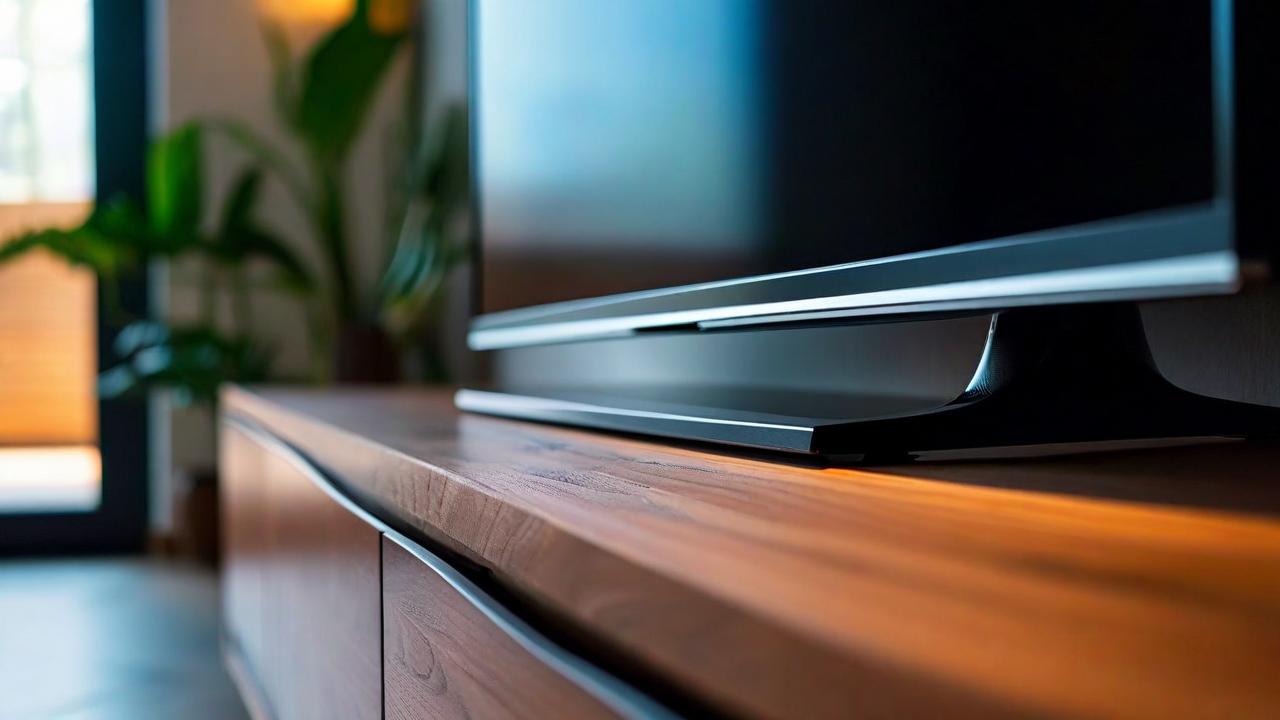

*this image is generated using AI for illustrative purposes only.
Households across Delhi, Mumbai, Chennai, Noida and Bangalore are increasingly renting televisions and TV units instead of buying them, driven by high purchase costs and short tenures.
Rentomojo Private Limited reported that this shift is evident in its city catalogues, where television plans start at ₹499 a month and TV unit plans from ₹59 a month. This contrasts with a combined purchase cost of ₹25,000 to ₹60,000 for a display panel and cabinet.
Rental Economics vs Ownership
The demand is concentrated in high-churn rental neighbourhoods such as Dwarka and Saket in Delhi, Powai and Andheri in Mumbai, OMR and Velachery in Chennai, Sector 62 and Sector 137 in Noida, and Whitefield and Koramangala in Bangalore. In these areas, tenure horizons are often under three years, making the cost of buying and moving furniture punitive.
A mid-range 43-to-55 inch television lists between ₹25,000 and ₹35,000 on major e-commerce platforms in August 2026. A matching TV unit adds another ₹8,000 to ₹25,000. The effective net cost of ownership includes wall-mount installation, out-of-warranty repairs and reassembly at the next flat, which often exceeds the sticker price given the low resale value after two years.
Pricing and Service Structure
Rentomojo offers bundled monthly rental lines under ₹1,500 for the combined setup on a 36-month tenure. The catalogue spans 24, 32, 40, 43, 49 and 55-inch panels across the five metros.
| City | Product | Monthly Rent |
|---|---|---|
| Delhi | 32-inch smart LED | ₹689 |
| Delhi | 43-inch Google TV | ₹1,118 |
| Bangalore | 43-inch smart LED | ₹940 |
| Bangalore | 55-inch smart LED | ₹1,861 |
| Chennai | Engineered-wood TV unit | ₹205 |
Minimum tenure begins at three months and extends to 36, with longer tenures carrying lower monthly rent. The plan includes free installation, free repairs, annual maintenance and free relocation. The refundable security deposit is set at one month’s rent. Payment options include card, UPI and net banking.
Operational Scale
The service backbone relies on Rentomojo’s in-house team of 1,688 technicians, carpenters and painters across a 22-city network. According to the company’s March 2026 draft red herring prospectus, the platform serves 227,511 live subscribers. This team handles display-panel service calls, cabinet refitting after relocation and annual maintenance visits.
What the Numbers Show
The data highlights a clear divergence between asset depreciation cycles and household mobility. While a display panel depreciates rapidly on a product cycle, losing value fastest during the initial ownership period, renters convert this lumpy capital expenditure into a predictable operating expense. With a combined ownership outlay of up to ₹60,000 versus a monthly rental line starting at ₹499, the financial burden shifts from long-term asset retention to short-term usage rights, aligning with the two-to-three-year address change window common in top Indian metros.

How might traditional electronics retailers and furniture manufacturers adapt their business models to counter the growing preference for rental services in metropolitan India?
What are the long-term sustainability implications of a circular economy model for electronics, particularly regarding e-waste management and product lifecycle extension?
Could the success of Rentomojo's operational scale prompt larger tech giants or logistics companies to enter the home appliance rental market, intensifying competition?
 19
19









 Access Market Heat-map & Insights
  Create, Save & Share your Screener
  Use 200+ Screening Filters





