Rentomojo sees rising wardrobe rental demand in Pune, Noida, Delhi

scanx
Reviewed by
Ritika DScanX News Team
Key Highlights

Rentomojo reports rising demand for wardrobe rentals in Pune, Noida, and Delhi as tenants avoid the ₹15,000-₹45,000 purchase cost and near-zero resale value of ownership. The company, holding 42-47% of the organised rental market revenue in FY25, offers plans from ₹256/month including maintenance and relocation. This trend reflects a broader shift among short-stay households toward subscription models that mitigate the logistical and financial burdens of moving large furniture.


powered bylight_fuzz_icon
48251239

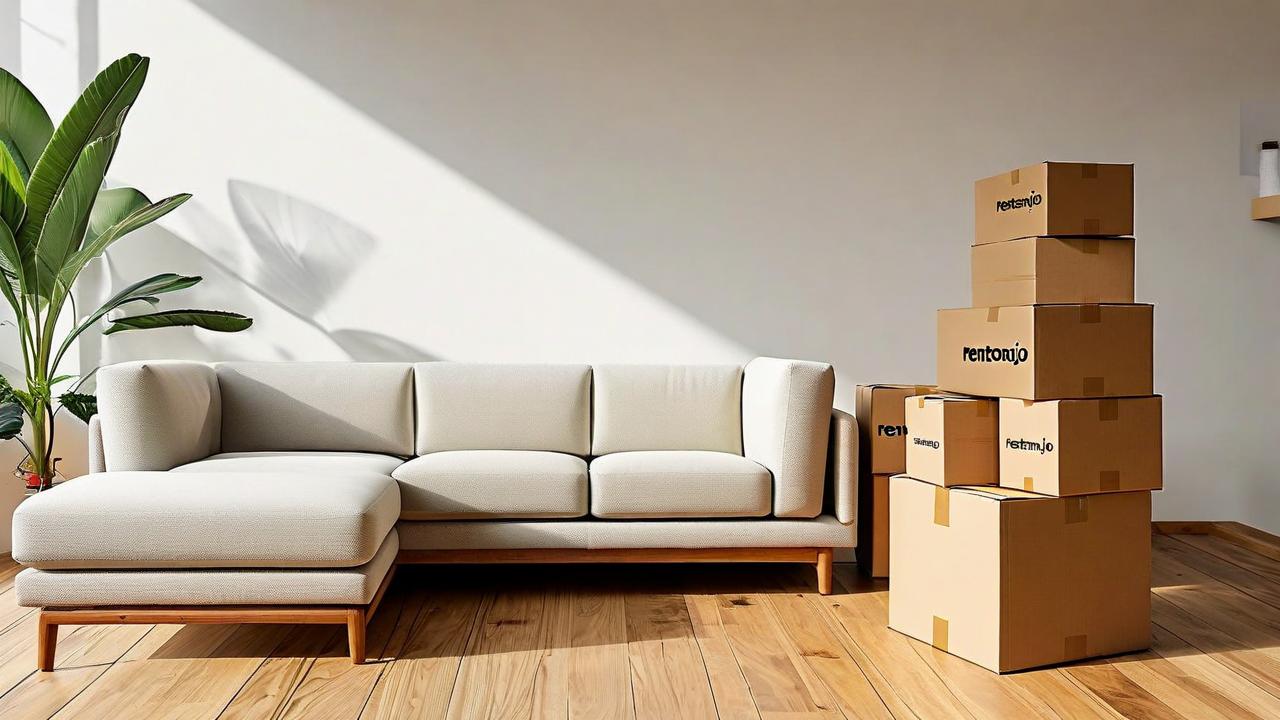
*this image is generated using AI for illustrative purposes only.

Rentomojo is witnessing increased demand for wardrobe rentals across Pune, Noida, and Delhi in 2026, driven by the high upfront cost of ownership and the logistical challenges of moving large furniture. Households with tenures under three years are increasingly substituting purchases of ₹15,000 to ₹45,000 wardrobes with monthly subscription plans starting at ₹256.

The shift is concentrated in high-churn rental neighbourhoods such as Hinjewadi and Kharadi in Pune; Sector 62 and Greater Noida West in Noida; and Dwarka and Saket in Delhi. Tenants in these areas often face a storage deficit in rented flats, requiring immediate furnishing solutions when capital is constrained by deposits and brokerage fees.

Ownership vs Subscription Economics

The economic rationale for renting stems from the poor portability and resale value of large storage furniture. A purchased wardrobe often loses structural integrity during repeated dismantling and reassembly, particularly if constructed from engineered wood. Components such as hinges, mirror panels, and sliding tracks frequently fail after warranty lapses, incurring additional repair costs.

Resale markets for such items are weak due to the difficulty of transport and collection by buyers. Consequently, wardrobes bought for short tenancies are often discarded rather than resold, representing a total write-off for the owner. In contrast, Rentomojo’s subscription model converts this potential loss into a fixed monthly charge that includes delivery, assembly, free repairs, annual maintenance, and relocation.

Feature: Purchase Model Rental Model (Rentomojo)
Upfront Cost: ₹15,000 to ₹45,000 ₹256 per month (starting)
Maintenance: User bears cost post-warranty Included in plan
Relocation: Dismantling/Reassembly required Free relocation included
End of Tenure: Discard or low-value resale Collection by provider

Market Position and Service Infrastructure

Rentomojo, which entered the category in 2014, operates an in-house servicing network of 1,688 technicians, carpenters, and painters. The company delivers and assembles units within a network-average of 2.54 days. Plans have a minimum tenure of three months, extendable up to 36 months, with advance payments reducing the effective monthly rate by up to 15 percent.

According to its March 2026 draft red herring prospectus, citing the Redseer Report, Rentomojo is the largest tech-driven full-stack direct-to-consumer rental platform in India by FY25 subscription revenue and live subscribers. The company holds 42 to 47 percent of subscription revenue and 50 to 55 percent of live subscribers in the organised furniture and appliance rental market.

What the Numbers Show

The data highlights a clear divergence between asset utility and financial efficiency for short-term residents. While the absolute rental cost accumulates over time, the elimination of sunk costs associated with purchase price depreciation and disposal fees makes the subscription model financially neutral or positive for tenures under three years. This structural advantage is further amplified by the inclusion of maintenance and relocation services, which remove variable operational risks from the household balance sheet.

How might Rentomojo's dominant market share influence pricing strategies and competitive dynamics in the organized furniture rental sector?

What are the potential long-term environmental impacts of shifting from ownership to a circular rental model for engineered wood furniture?

Could the success of wardrobe rentals drive expansion into other high-cost, low-portability furniture categories like sofas or dining sets?

like17
dislike

Rentomojo IPO data shows bed rentals gaining traction across four major Indian cities

scanx
Reviewed by
Ritika DScanX News Team
Key Highlights

Rentomojo’s March 2026 draft prospectus highlights a surge in bed rentals in Gurgaon, Pune, Mumbai, and Noida, with plans starting at ₹292/month replacing purchases of ₹18,000–₹40,000. The company reports 227,511 live subscribers across 22 cities, supported by 1,688 in-house technicians, positioning itself as India’s largest D2C rental platform by FY25 revenue.

powered bylight_fuzz_icon
48056132

*this image is generated using AI for illustrative purposes only.

Bed rentals are accelerating across Gurgaon, Pune, Mumbai, and Noida in 2026 as households increasingly favor subscription models over ownership for core bedroom furniture. Monthly plans starting at ₹292 on Rentomojo are being weighed directly against purchase prices of ₹18,000 to ₹40,000 for queen or king-sized frames with storage. This shift is driven by relocation economics rather than lifestyle preference, particularly in IT-corridor housing and corporate-relocation neighborhoods where tenancies turn over frequently on project cycles.

The adoption pattern is concentrated in specific high-turnover corridors: Gurgaon’s Cyber City, Golf Course Road, and Sohna Road; Pune’s Hinjewadi, Kharadi, and Baner; Mumbai’s Powai, Andheri, and Thane; and Noida’s Sector 62, Sector 137, and Greater Noida West. Households in these areas furnish bedrooms fully at move-in and close them out cleanly at exit. Bed frames pose significant logistical challenges under ownership due to their weight, the need for dismantling, and difficulties transporting them through service lifts or stairwells without additional labor.

The financial burden of ownership includes dismantling and reassembly charges on every move, risks of damage to hydraulic storage mechanisms and headboard panels, and repair costs for slats and joints. Resale value remains weak, with scarce buyers and collection barriers making it rare to recover a meaningful share of the purchase price. Subscription models remove these steps by including free repairs, annual maintenance, and free relocation within the plan, with the frame collected at the end of the tenure.

Feature Ownership Cost Rental Plan (from)
Initial Outlay ₹18,000 – ₹40,000 ₹292 per month
Maintenance User bears cost Included (free repairs)
Relocation Dismantling/transport fees Included (free relocation)
End-of-Life Disposal/resale hassle Collection by provider
Minimum Tenure None 3 months

Rentomojo lists beds from ₹292 a month across single, queen, and king sizes in plain and hydraulic-storage configurations. Mattresses are listed separately in coir, foam, and orthopaedic memory-foam options. Most households use bundling, combining frames, mattresses, wardrobes, and bedside storage into a single monthly rate. Delivery and assembly average 2.54 days, with plans holding a three-month minimum extending to 36 months. Advance payments lower the effective rate by up to 15 percent.

Market Position and Operational Scale

Rentomojo, active since 2014, is identified in its March 2026 draft red herring prospectus as the largest tech-driven full-stack direct-to-consumer rental platform in India by FY25 subscription revenue and live subscribers. Citing the Redseer Report, the prospectus states the company operates across 22 cities with 227,511 live subscribers. Servicing is carried in-house by 1,688 technicians, carpenters, and painters, described as the largest such team among leading platforms. A product discontinued mid-plan can be removed while the remainder of the subscription continues.

What the Numbers Show

The divergence between the upfront capital expenditure of ₹18,000 to ₹40,000 for a bed frame and the operational expenditure of ₹292 per month highlights a structural shift in urban housing economics. For households relocating frequently, the cumulative cost of dismantling, transport, and negligible resale value makes ownership economically inefficient. The inclusion of maintenance and relocation in the rental fee resolves these hidden costs, making the subscription model financially superior for transient populations in key metro corridors.

How might the expansion of bed rental subscriptions impact the traditional furniture manufacturing sector's sales volumes in high-turnover metro corridors?

What regulatory or insurance challenges could arise for rental platforms regarding liability for furniture damage or hygiene standards in shared living spaces?

Will the success of Rentomojo's model encourage major home improvement retailers to launch competing subscription services to retain customer loyalty?

like17
dislike

More News on Rentomojo