

SpaceX shares fall 4.11% amid insider sale and lockup expiry


- SpaceX shares fell 4.11% to close at $148.36 on Wednesday
- COO Gwynne Shotwell proposed selling 342,170 shares worth $51.96 million
- Lockup expiration releases up to 328.4 million shares on Thursday
- Rising 10-year Treasury yields increase discount rates for capital-intensive firms

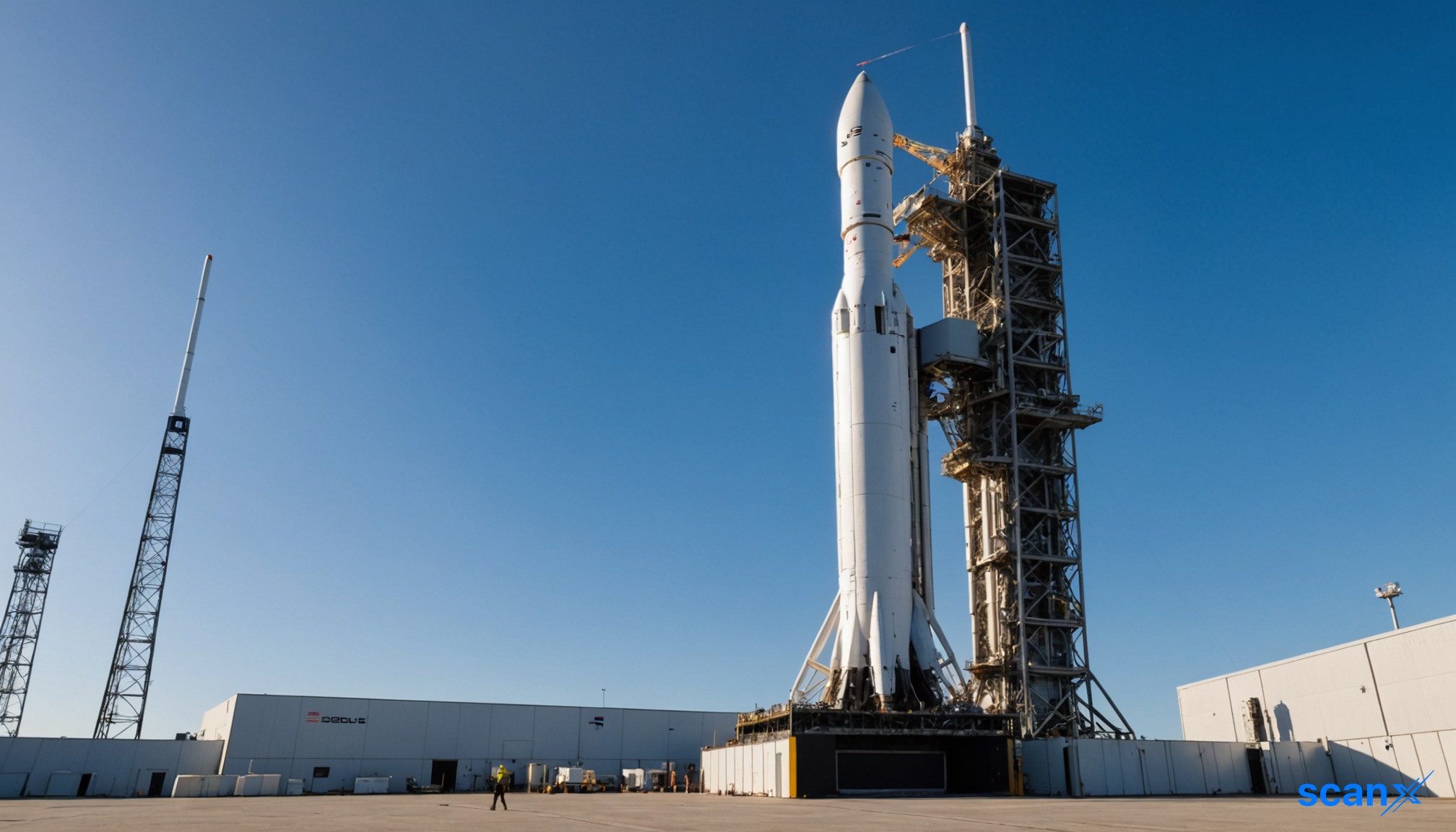

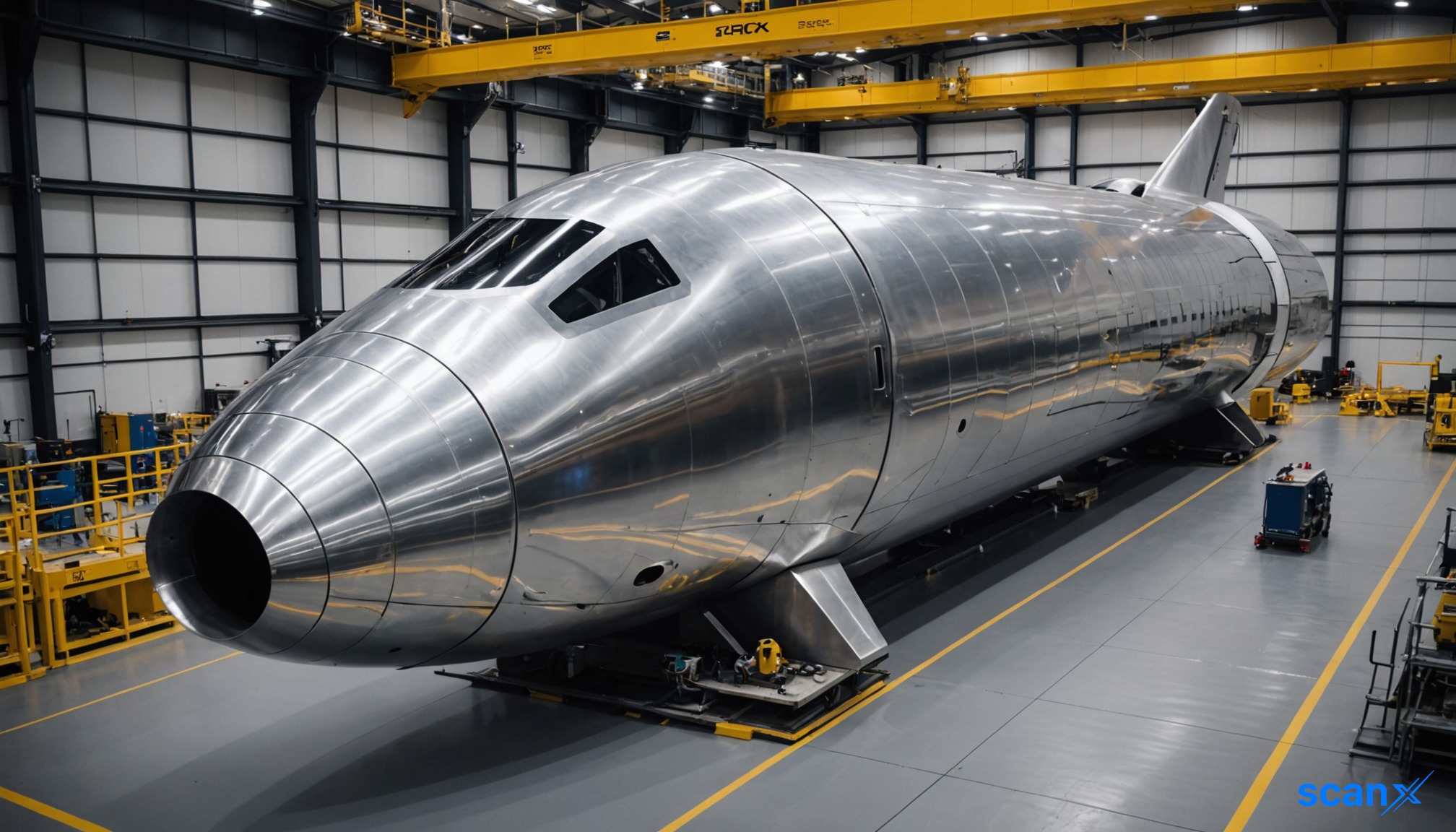
*this image is generated using AI for illustrative purposes only.
Space Exploration Technologies Corp. (NASDAQ: SPCX) shares closed 4.11% lower at $148.36 on Wednesday, pressured by a proposed executive insider sale and an imminent post-IPO share unlock.
Insider filing and lockup mechanics
Regulatory disclosures filed Tuesday revealed that President and COO Gwynne Shotwell submitted SEC Form 144 proposing the open-market sale of 342,170 Class A common shares, valued at approximately $51.96 million. The transaction followed a stock option exercise executed under a Rule 10b5-1 trading plan established on June 23.
Compounding liquidation concerns is a staggered post-IPO lockup expiration scheduled for Thursday. This event will release up to 328.4 million shares for potential sale by early venture investors and employees following the firm’s $75 billion initial public offering completed on June 12.
Yield surge impacts capital-intensive firms
The rise in the 10-year Treasury yield to a 19-year high creates headwinds for pre-profitability, capital-heavy technology enterprises. Higher benchmark yields raise discount rates for long-term earnings projections and elevate borrowing costs for multi-billion-dollar infrastructure developments.
For SpaceX, which requires continuous capital outlays to expand its orbital satellite fleet and launch infrastructure, soaring yields prompt investors to demand a higher risk premium. This dynamic compresses equity valuation multiples across high-growth sectors.
Higher cost of capital directly increases the recurring expenditure required to fund ongoing Starlink satellite replacement cycles, which carry a limited five-year orbital lifespan and demand constant hardware manufacturing. Elevated interest rates also lengthen the payback period on capital-heavy initiatives, such as orbital AI data center deployments and Starship launch facility expansion.
What the numbers show
The simultaneous disclosure of a specific insider sell order and a massive aggregate share unlock highlights a concentrated near-term supply pressure. The 342,170 shares proposed by Shotwell represent a small fraction of the 328.4 million shares becoming available from the broader lockup expiration, suggesting the market reaction is driven more by the total potential supply overhang than by the individual executive transaction alone.
| Event | Detail | Impact |
|---|---|---|
| Insider Sale | Gwynne Shotwell proposes selling 342,170 shares | Valued at ~$51.96 million |
| Lockup Expiry | Up to 328.4 million shares released Thursday | Post-IPO supply overhang |
| Market Reaction | SPCX closed at $148.36 | Down 4.11% |
| Macro Factor | 10-year Treasury yield at 19-year high | Raises discount rates and borrowing costs |

How will the actual volume of shares sold during the Thursday lockup expiration compare to the 328.4 million available, and what does this indicate about early investor confidence?
Will SpaceX seek additional debt financing or equity raises to fund Starlink satellite replacements given the elevated cost of capital from rising Treasury yields?
What specific hedging strategies are institutional investors employing to mitigate downside risk as the post-IPO supply overhang materializes?
 15
15









 Create Custom Screeners
  Access 200+ Pre-built Filters
  Use 50+ Readymade Screener





