

China slows humanoid robot IPOs after Unitree shares fall 55%


- Chinese regulators are slowing humanoid robot IPOs after Unitree Robotics shares fell roughly 55% from their peak
- Unitree revenue quadrupled to 1.7 billion yuan in 2025, yet its IPO valued the company at 219 times last year's earnings
- Only about 7,000 humanoid robots were sold globally in 2025, compared to 542,000 conventional industrial robots in 2024
- Tesla CEO Elon Musk stated Optimus production will start flat and long, with Polymarket odds of a consumer launch by year-end at 6%
- Regulators warn valuations could drop 60% to 70% if revenue from government-funded data centers is excluded

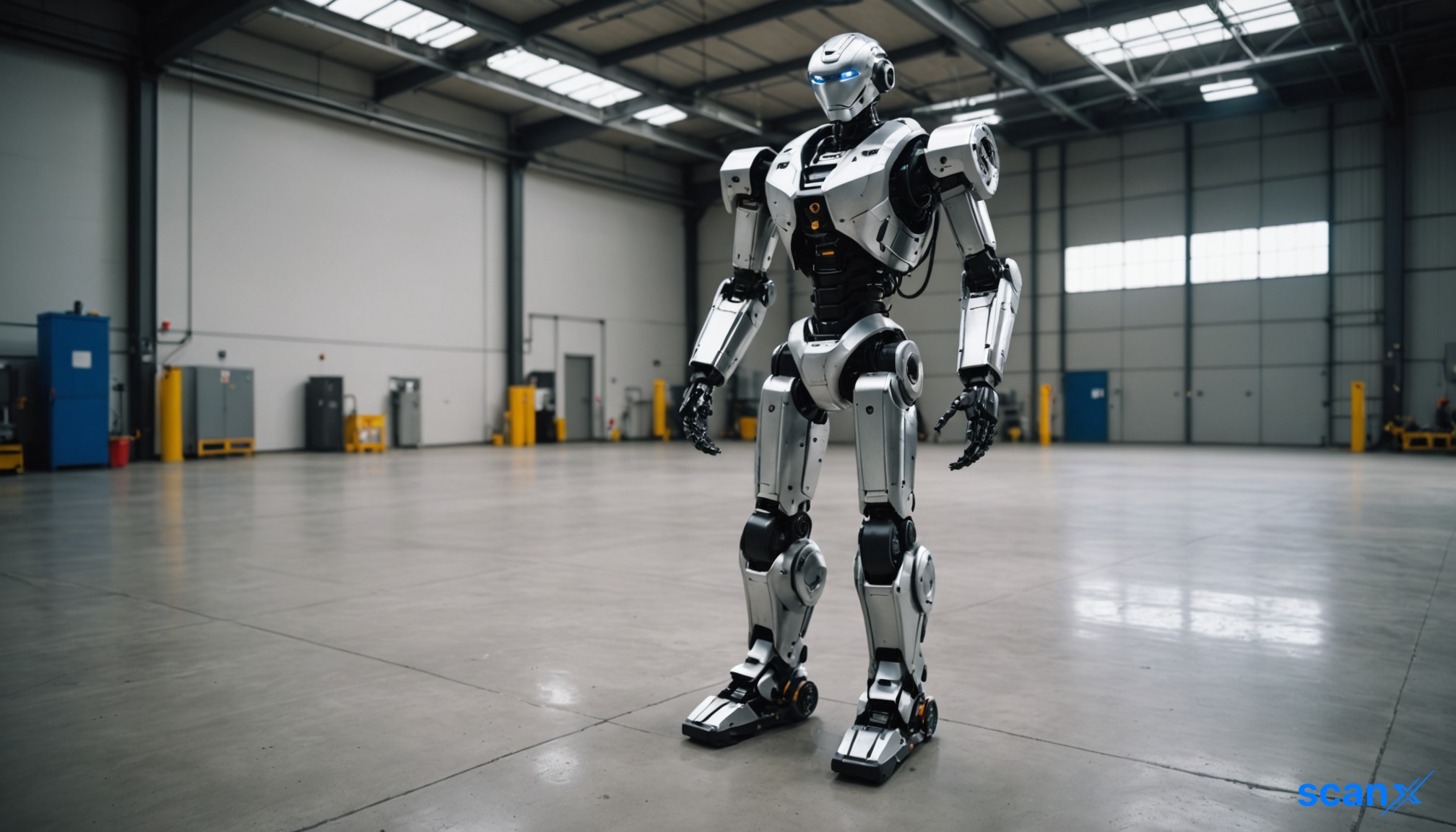

*this image is generated using AI for illustrative purposes only.
Chinese regulators have slowed a wave of humanoid robot initial public offerings after Unitree Robotics shares plunged roughly 55% from their peak. The move signals growing scrutiny over whether soaring valuations align with actual commercial demand in the sector.
At least half a dozen companies, including Deep Robotics, X Square Robot, and AGIBOT, are preparing to list. Regulators are employing informal "window guidance" to hold some deals back, with one source describing the process as effectively frozen for now. This intervention follows Unitree's volatile debut in August, where retail investors ordered more than 8,000 times the available shares, briefly pushing the company's valuation to approximately $67 billion on its first trading day.
Regulatory concerns over valuation sustainability
Authorities are questioning the extent of genuine commercial demand. Local governments currently fund 80% to 90% of some robot data centers and joint ventures, a mechanism that helps generate revenue and support IPO valuations. One person close to investors indicated that valuations at some robot companies could fall 60% to 70% if revenue tied to these data-collection centers were removed.
Unitree’s underlying business shows rapid growth, with revenue more than quadrupling to 1.7 billion yuan (approximately $252 million) in 2025. However, its IPO still valued the company at roughly 219 times last year’s earnings. The disparity between high valuations and limited real-world adoption is stark when viewed against broader industry metrics.
Global adoption remains nascent
The International Federation of Robotics reported that only about 7,000 humanoid robots were sold worldwide for industrial and professional uses in 2025. By comparison, manufacturers installed about 542,000 conventional industrial robots in 2024, nearly 80 times the humanoid tally.
| Metric | Humanoid Robots | Conventional Industrial Robots |
|---|---|---|
| Units Sold/Installed (2024/2025) | ~7,000 (2025) | ~542,000 (2024) |
| Relative Scale | Baseline | ~80x Humanoid Volume |
Tesla faces similar commercialization hurdles
Tesla Inc. (NASDAQ: TSLA) faces its own test with the Optimus project. CEO Elon Musk confirmed that space in Fremont previously used for Model S and Model X manufacturing will be converted into an Optimus factory. Musk described Optimus as the "hardest product to scale manufacturing" Tesla has ever attempted, warning that the production ramp will initially be "quite flat and long" as the company builds a new supply chain from scratch.
Market sentiment reflects skepticism regarding near-term consumer availability. Polymarket traders place the chance of Tesla making a humanoid robot available for public purchase before December 31 at about 6%. Factory deployments and enterprise pilots do not count toward this metric, meaning significant progress may not trigger a positive market resolution.
What the numbers show
A critical divergence exists between financial performance and market valuation. While Unitree’s revenue grew significantly to 1.7 billion yuan, the company’s IPO valuation of $9 billion implies a multiple of 219 times earnings. When juxtaposed with the global sales volume of just 7,000 humanoid units, this suggests the market is pricing in exponential future adoption rather than current operational scale. Furthermore, the potential 60% to 70% drop in valuations if government-subsidized revenue is excluded highlights a heavy dependency on state-funded infrastructure rather than organic commercial traction.

How might the shift from government-subsidized revenue to organic commercial demand impact the long-term profitability models of Chinese humanoid robot startups?
What specific regulatory metrics or disclosure requirements will Chinese authorities likely impose to verify genuine commercial traction before approving future humanoid robot IPOs?
Could the valuation correction in China’s humanoid sector trigger a broader re-evaluation of AI-adjacent hardware valuations in global markets, particularly for US competitors like Tesla?
 16
16







 Access 50+ Readymade Screeners
  Use 200+ Custom Filters
  Get Full Market Insights





