

Anand Seamless IPO Day 1: Subscribed 0.59x; sHNI leads at 1.10x


- Anand Seamless IPO subscribed 0.59x on Day 1
- sHNI category led with 1.10x subscription
- Retail interest rose to 0.05x
- Total demand surged 5800% from opening snapshot
- Issue closes on September 24, 2026

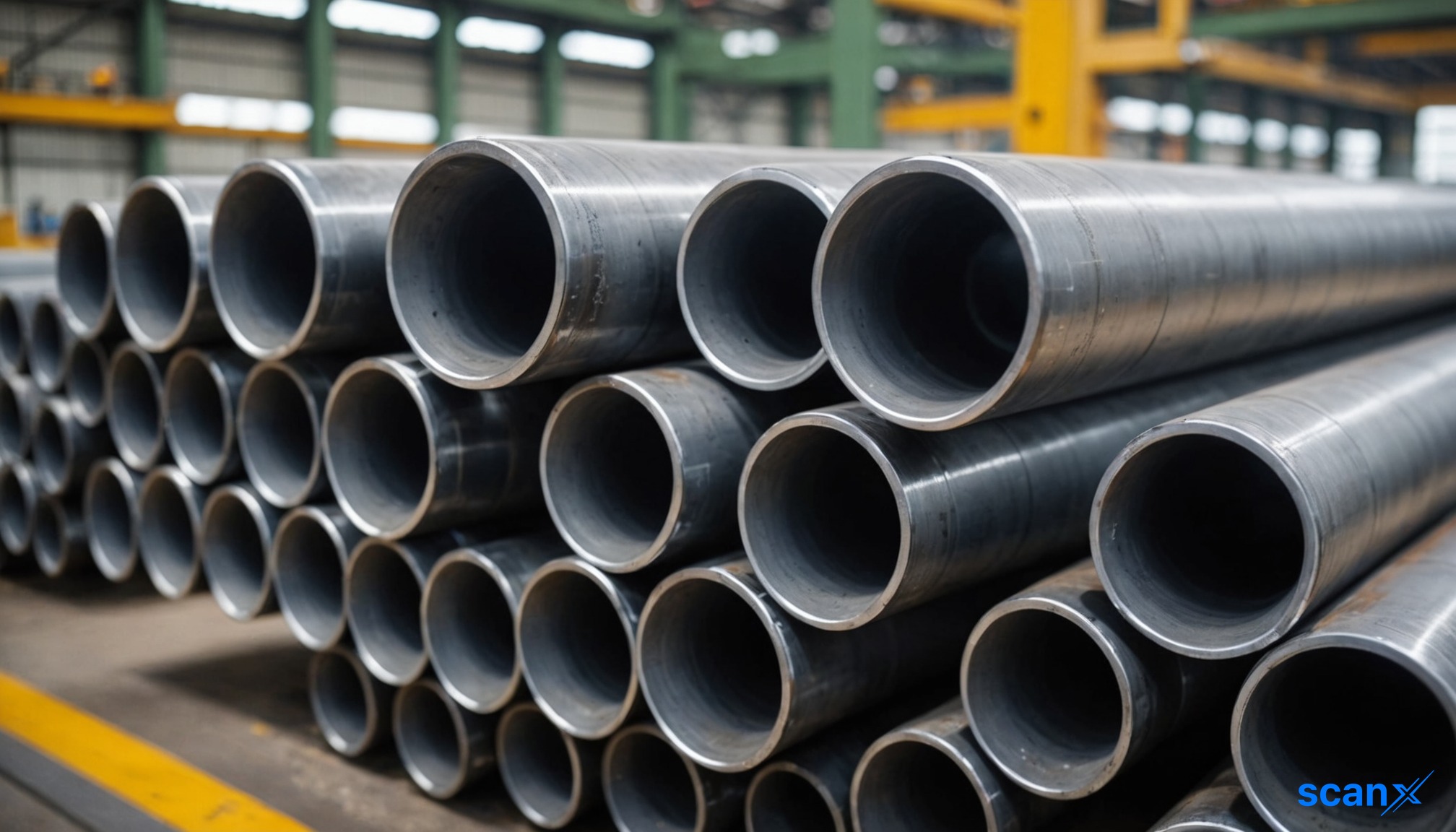

*this image is generated using AI for illustrative purposes only.
Anand Seamless IPO crossed the fully subscribed threshold on its final day, closing at 1.50x overall. Retail participation was the primary driver, with bids surging 88% intraday to reach 0.94x, while Non-Institutional Buyers (bHNI) maintained robust demand at 1.85x.
Subscription Status
The issue witnessed a strong finish on Day 3, with total subscription rising from 1.02x at 11:15 IST to 1.50x by close. The surge was driven entirely by retail investors, who picked up pace significantly after midday. Non-Institutional Buyers (bHNI) provided the foundational demand, maintaining a robust 1.85x subscription level. Qualified Institutional Buyers (QIB) and Small Non-Institutional Investors (sHNI) recorded no bids across all three days.
| Day | Date | QIB | NII (bHNI) | NII (sHNI) | Retail | Total |
|---|---|---|---|---|---|---|
| Day 1 | 22-09-2026 | 0.00x | 0.00x | 1.10x | 0.05x | 0.59x |
| Day 2 | 23-09-2026 | 0.00x | 0.00x | 1.14x | 0.36x | 0.79x |
| Day 3 | 24-09-2026 | 0.00x | 0.00x | 1.85x | 0.94x | 1.50x |
Category-wise Breakdown
Retail Investors were the primary drivers of the final-day momentum. After starting the day at 0.50x, retail bids jumped to 0.94x by 4:15 PM, marking an 88% increase within the session. This late surge pushed the overall issue well past the 1x threshold.
Non-Institutional Buyers (bHNI) demonstrated consistent conviction, holding at 1.85x by the close. This category has been the anchor of the issue since Day 1, providing the bulk of the subscription volume.
QIB and sHNI categories remained inactive with 0.00x subscription throughout the offering period.
Intra-day Timeline on 22-09-2026
The sHNI category was the standout mover, with the bulk of its demand appearing to land in the final hour. Retail picked up pace steadily through the afternoon, rising from its opening level by close.
| Time (IST) | QIB | NII (bHNI) | Retail | Total |
|---|---|---|---|---|
| 11:15 | 0.00x | 0.00x | 0.02x | 0.01x |
| 12:15 | 0.00x | 0.00x | 0.02x | 0.02x |
| 13:15 | 0.00x | 0.00x | 0.02x | 0.05x |
| 14:15 | 0.00x | 0.00x | 0.03x | 0.07x |
| 15:15 | 0.00x | 0.00x | 0.04x | 0.28x |
| 16:15 | 0.00x | 0.00x | 0.04x | 0.59x |
| 17:15 | 0.00x | 0.00x | 0.05x | 0.59x |
Offer Details
| Parameter | Details |
|---|---|
| Price Band | ₹72.00000 - ₹72.00000 |
| Issue Size | ₹230400 - ₹500000 |
| Minimum Bid Quantity | 3200 shares |
| Opening Date | 2026-09-22 |
| Closing Date | 2026-09-24 |
What's Next
Allotment is scheduled for 2026-09-25 and listing is expected on 2026-09-29.
About the Company
Anand Seamless Limited is an India-based manufacturer and exporter of tubes and pipes with nearly two decades of experience, founded in 2005. The company operates from its Gujarat facility at Kadi, offering two primary product categories: Seamless Tubes & Pipes and Finned Tubes, with a manufacturing capacity of ~3,000 MT/annum for seamless pipes and ~3,60,000 meters/annum for finned tubes. It serves sectors including Oil & Gas, Thermal & Nuclear Power Plants, Automobile, Pharmaceutical, and Chemical industries. The company holds ISO 9001:2015, ISO 14001:2015, and ISO 45001:2018 certifications and follows ASTM and EN standards, with products certified under PED 97/23/EC for European markets. MD Kedar Mayank Choksi brings over 21 years of specialised experience in the seamless tubes, pipes, and finned tubes sector.
Financial Highlights
For FY2026, Anand Seamless reported revenue from operations of ₹56.00 crores and a PAT of ₹5.48 crores. The EBITDA margin stood at 18.25%.
| Metric | FY2026 | FY2025 | FY2024 |
|---|---|---|---|
| Revenue from Operations (₹ crores) | 56.00 | 33.55 | 36.90 |
| Total Revenue (₹ crores) | 56.17 | 33.64 | 37.00 |
| Profit Before Tax (₹ crores) | 7.44 | 3.58 | 4.56 |
| Net Profit (₹ crores) | 5.48 | 2.65 | 3.36 |
Objects of the Issue
- Capacity Expansion, Technological Upgradation & Cost Optimization: ₹13.20 crores towards financing civil works, plant & machinery, and electrical upgrades at the Kadi, Gujarat facility.
- Repayment/Prepayment of Outstanding Borrowings: ₹5.49 crores for full or part repayment of secured and unsecured borrowings from lenders including HDFC Bank Limited and Tata Capital Limited.
- General Corporate Purposes: ₹3.70 crores for capital expenditure, working capital requirements, and funding growth opportunities.
- Issue Related Expenses: ₹3.13 crores covering fees payable to the Lead Manager, Registrar, regulators, auditors, legal advisors, and other IPO-related costs.
Risk Factors
- Dependence on Key Customers: Top 10 customers contributed 59.21% of revenues in FY2026. Loss of any key customer could materially affect business and cash flows.
- Negative Cash Flows from Operations: The company reported negative operating cash flows of ₹557.06 lakhs and ₹331.00 lakhs in FY2026 and FY2025 respectively.
- Significant Indebtedness: As of March 31, 2026, aggregate outstanding borrowings stood at ₹2,802.48 lakhs, secured against current assets and the manufacturing facility.
- Single Facility Concentration: The company operates from a sole manufacturing facility in Kadi, Gujarat, making it vulnerable to equipment failures, natural disasters, or labour disputes.
- Corporate Compliance Deficiencies: The company has a history of delayed and non-filed statutory forms with the Registrar of Companies, including delays of up to 1,131 days, as well as late filings of TDS, GST, PF, and ESIC returns.

Will the zero QIB subscription on Day 1 pressure the company to lower the price band or expand the retail quota before the IPO closes on September 24?
How might the persistent negative operating cash flows and high customer concentration influence institutional investors' willingness to participate in Days 2 and 3?
Could the heavy reliance on a single promoter following the co-promoter's demise trigger additional regulatory scrutiny or governance concerns during the allotment process?
 19
19






 Access 50+ Readymade Screeners
  Use 200+ Custom Filters
  Get Full Market Insights





