

Tesla Texas fleet adds 45 Cybercabs ahead of Sept. 3 Austin launch


- Texas DMV records show Tesla's authorized autonomous fleet now includes 45 Cybercabs, up from an initial seven.
- The 45 Cybercabs represent roughly 14% of the 314 total authorized vehicles, with the rest being 269 Model Ys.
- Tesla confirms production has started and engineering test drives of the purpose-built Cybercab have begun on public roads.
- The fleet update arrives ahead of the Sept. 3 Cybercab launch event in Austin, Texas.
- Investor Ross Gerber notes current Robotaxi coverage is limited to ~400 square miles against a 3.5 million sq mile US land area.

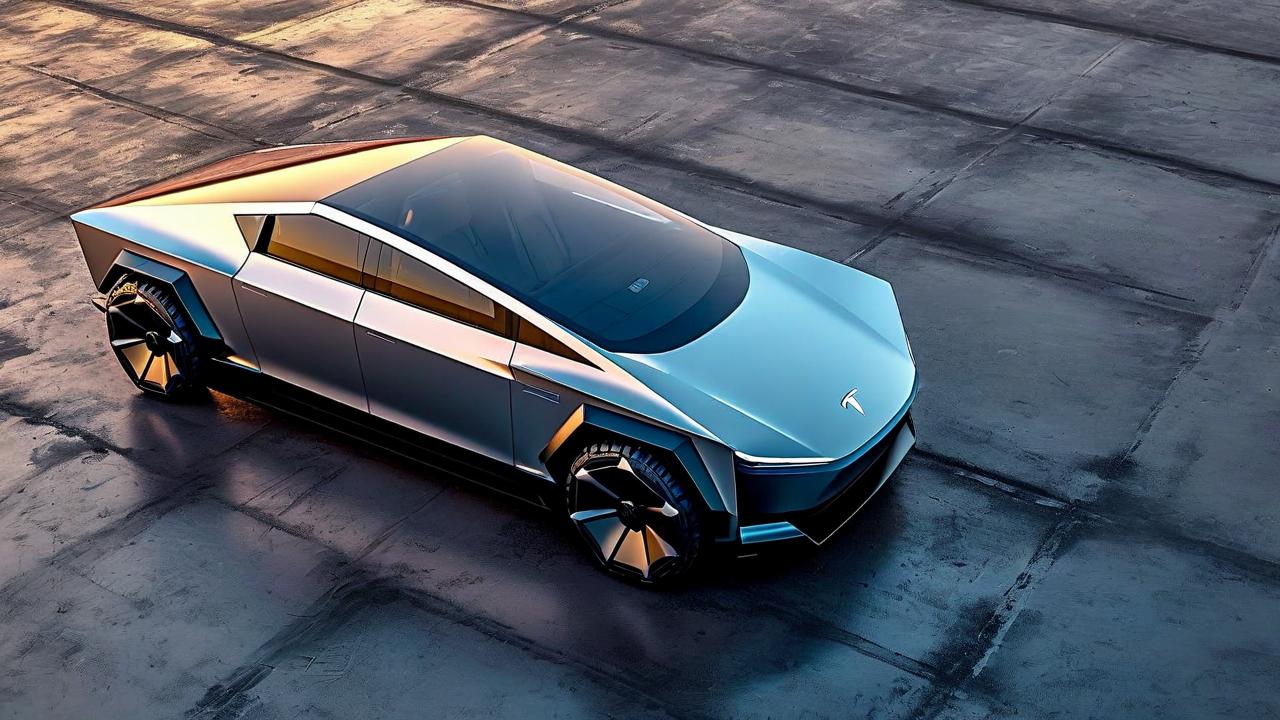

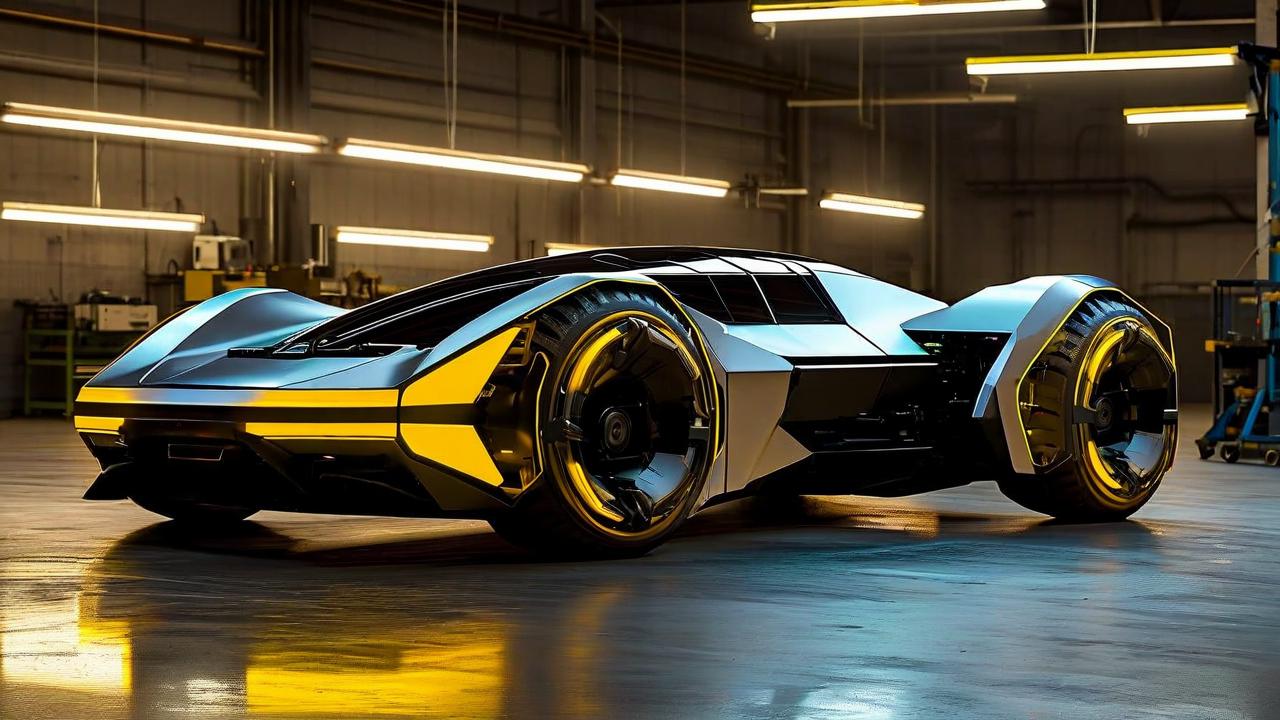
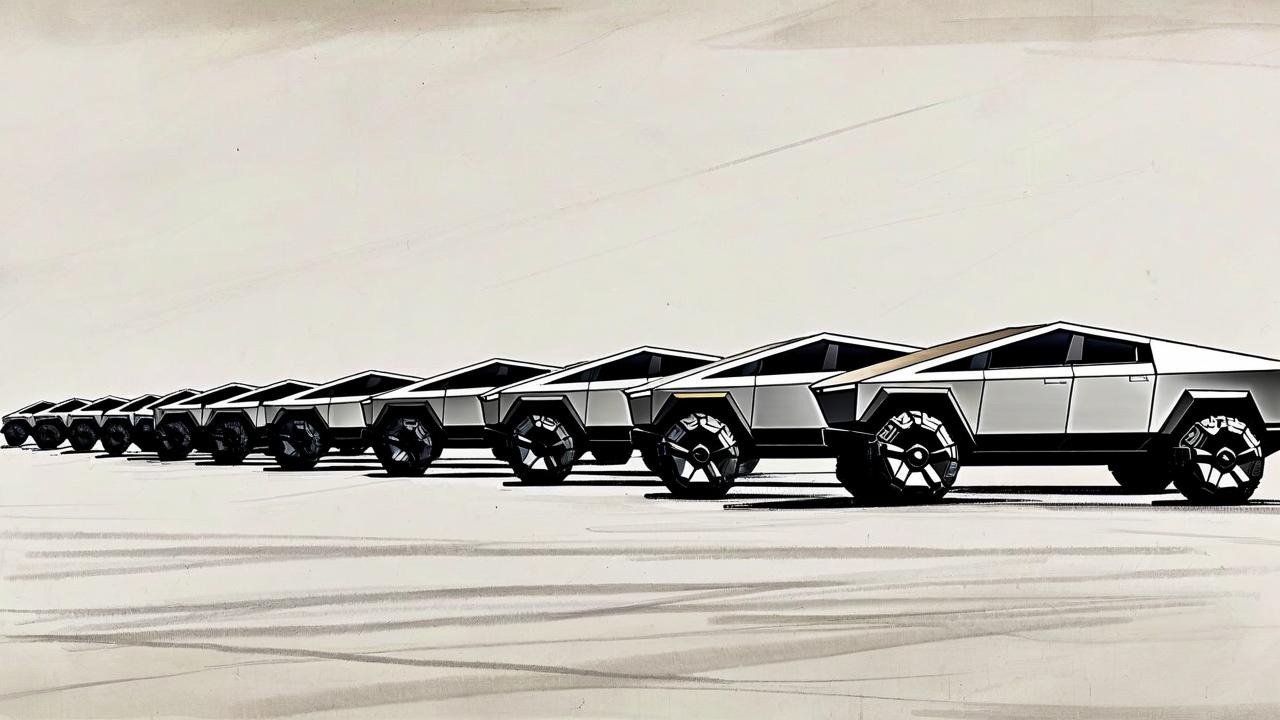
*this image is generated using AI for illustrative purposes only.
Texas public records reveal that Tesla Inc. (NASDAQ: TSLA) has added 45 Cybercabs to its authorized autonomous vehicle fleet under Tesla Robotaxi, LLC. This development provides a tangible backdrop to the company’s upcoming Sept. 3 launch event in Austin, marking a shift from modified consumer vehicles to purpose-built hardware.
Fleet Composition Update
The latest data from the Texas DMV database shows the Cybercab count rising from an initial seven vehicles to 45. These units are part of a total authorized fleet of 314 vehicles in the state. The remainder of the fleet consists of 269 Model Ys.
| Vehicle Type | Count | Share of Fleet |
|---|---|---|
| Cybercab | 45 | ~14% |
| Model Y | 269 | ~86% |
| Total Authorized | 314 | 100% |
This mix is significant because Tesla has explicitly positioned the Cybercab as distinct from the modified Model Ys currently used for Robotaxi service. The authorization for commercial automated vehicles in Texas is not new; rather, the meaningful development is the incorporation of Cybercabs into the existing active vehicle list.
Production and Deployment Status
Tesla stated in its latest quarterly filing that it had started production of the Cybercab, describing it as a "purpose-built autonomous EV designed to be the workhorse of our Robotaxi fleet." The company also confirmed that engineering test drives of production Cybercabs have begun on public roads and that employee rides started at Gigafactory Texas in July.
Currently, Tesla’s official Robotaxi site indicates that autonomous rides are being offered in Austin, Dallas, and Houston, as well as Miami, Orlando, and Tampa. The company notes that the Cybercab will offer rides in additional areas "in the future."
Investor Perspective and Coverage Context
Investor Ross Gerber previously highlighted the limited geographic reach of Tesla’s Robotaxi network, noting it currently serves only a fraction of the United States. Gerber pointed out that while the US total land area stands at 3.5 million square miles, Tesla’s Robotaxi services operate in approximately 400 square miles. He characterized the pace of expansion as slow, stating, "we're all getting older waiting for this to happen... much older."
Skepticism regarding valuation persists among some investors. Gary Black of The Future Fund LLC recently questioned how Wall Street values the autonomous vehicle business, though he acknowledged Tesla will likely achieve unsupervised autonomy alongside competitors.
In related commercial activity, Tesla secured a 500-unit order from Swedish autonomous truck operator Einride AB (NASDAQ: ENRD) for its Semi Truck. Einride CEO Roozbeh Charli confirmed that Tesla plans to deliver 75 units before the end of the year.
What the Numbers Show
The appearance of 45 Cybercabs in the authorized fleet represents roughly 14% of Tesla Robotaxi’s total authorized vehicles in Texas. This figure underscores the early-stage nature of the purpose-built deployment. While 45 vehicles do not constitute a scaled business, their presence signals a tangible step from demonstrating autonomy with modified consumer cars to building the specific hardware required for commercialization. The disparity between this small initial fleet and the vast addressable geography highlighted by Gerber (400 sq miles vs 3.5 million sq miles) illustrates the significant logistical challenge ahead for widespread adoption.

How will the integration of purpose-built Cybercabs impact Tesla's unit economics and maintenance costs compared to its current modified Model Y fleet?
What regulatory hurdles might Tesla face when expanding its autonomous operations beyond the current 400 square miles to other major US metropolitan areas?
Could the slow pace of geographic expansion cited by investors like Ross Gerber negatively influence Tesla's valuation multiples ahead of the September launch event?
 16
16





 Create Custom Screeners
  Access 200+ Pre-built Filters
  Use 50+ Readymade Screener





