

Tesla says FSD is 4.1 times less likely to crash in Europe


- Tesla claims FSD Supervised is 4.1 times less likely to crash than manual driving in Europe
- Data covers 102 million kilometers across five countries from April to August
- EU vote for wider approval may happen as soon as Oct. 6
- Polymarket traders assign only 17% chance of California robotaxi launch by year-end



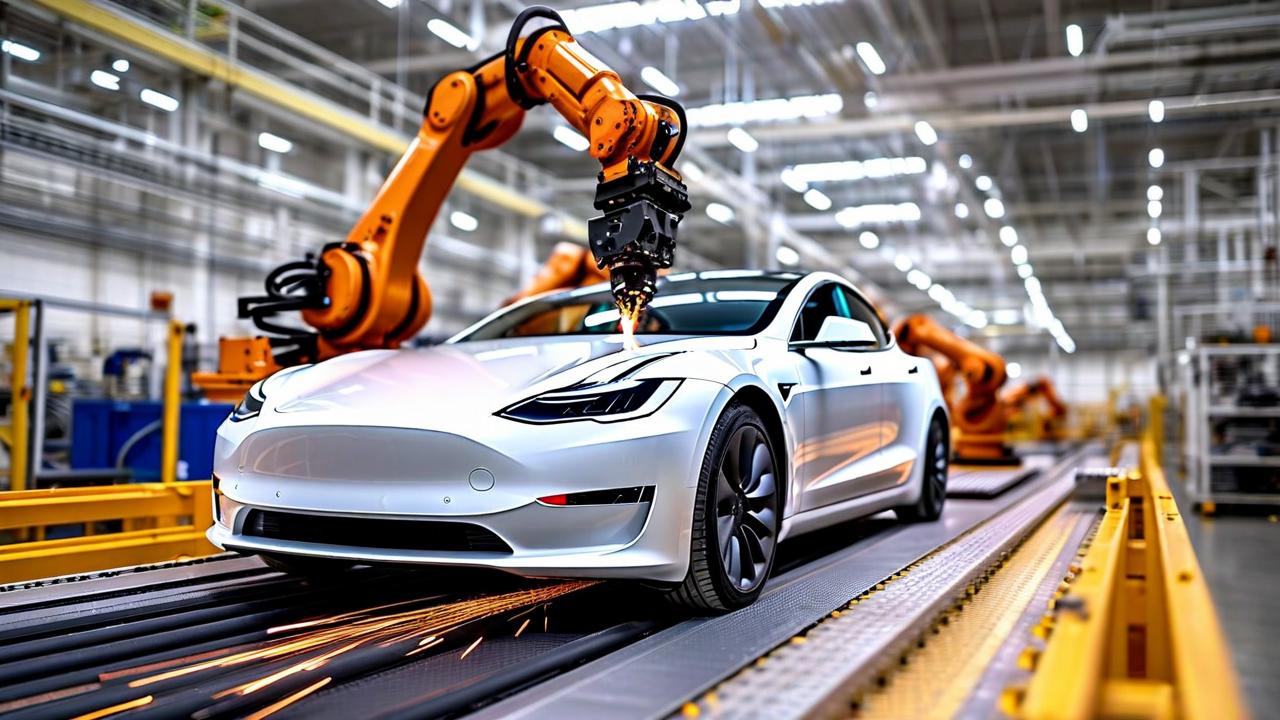
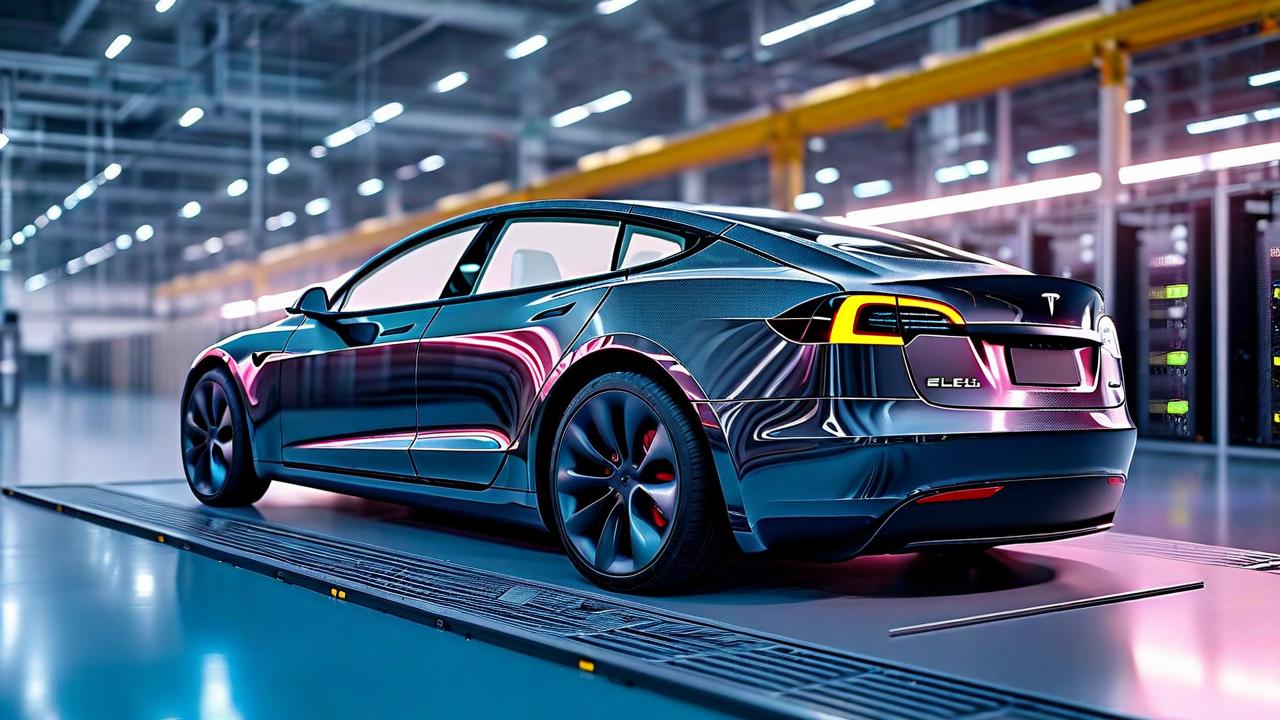
*this image is generated using AI for illustrative purposes only.
Tesla Inc. (NASDAQ: TSLA) reported that its Full Self-Driving Supervised software was 4.1 times less likely to be involved in a collision than manually driven vehicles in Europe. The claim supports the company’s push for wider regulatory approval across the continent.
The safety assertion is based on data from roughly 102 million kilometers of driving between April and August across five countries. Tesla Europe stated on X that an EU vote to clear the system for broader use may occur as soon as Oct. 6.
Collision Data by Segment
Tesla compared collision rates per kilometer driven between cars using FSD and those driven manually. The system logged more than 1 million kilometers daily with over 70,000 customers using it in the Netherlands, Belgium, Denmark, Estonia, and Lithuania.
| Collision Type | FSD Supervised | Manual Driving |
|---|---|---|
| Highway collisions | 3 | 137 |
| Non-highway collisions | 9 | 490 |
The Netherlands provisionally approved the system in April, followed by four other nations. Wider EU approval requires backing from 15 member states representing 65% of the bloc’s population. France and Sweden have raised concerns regarding speeding and driver supervision.
Regulatory and Market Context
Tesla published a safety dashboard covering more than 230,000 driving scenarios, previously shared with European regulators. The company cautioned that the comparison is observational and does not fully account for weather, traffic, or activation timing.
Dutch regulator RDW tested the system for more than 3,000 hours before approval, emphasizing that drivers remain responsible for the vehicle.
What the Numbers Show
Prediction markets reflect skepticism regarding Tesla’s autonomy timeline despite the safety data. Polymarket traders assign only a 17% chance of a public driverless robotaxi launch in California by Dec. 31. Additionally, traders give just a 12% probability that Tesla will sell a Cybercab for $30,000 or less by year-end, indicating doubt about near-term commercial viability.

How might the specific concerns raised by France and Sweden regarding speeding and driver supervision influence the final EU regulatory framework for autonomous driving?
What impact could a potential EU-wide approval on October 6 have on Tesla's stock valuation and competitive positioning against traditional automakers in Europe?
To what extent does the persistent skepticism in prediction markets regarding Tesla's robotaxi timeline reflect broader investor doubts about the scalability of supervised FSD technology?
 17
17







 Access Market Heat-map & Insights
  Create, Save & Share your Screener
  Use 200+ Screening Filters





