

IRFC signs ₹4,200 crore loan agreement with DVC for renewable energy


- IRFC signs ₹4,200 crore term loan agreement with DVC for renewable energy projects
- Funds will finance floating, ground-mounted, and rooftop solar plus BESS projects
- Transaction supports Indian Railways' Net Zero Carbon Emissions target by 2030
- Projects are located in Jharkhand and West Bengal leveraging existing infrastructure

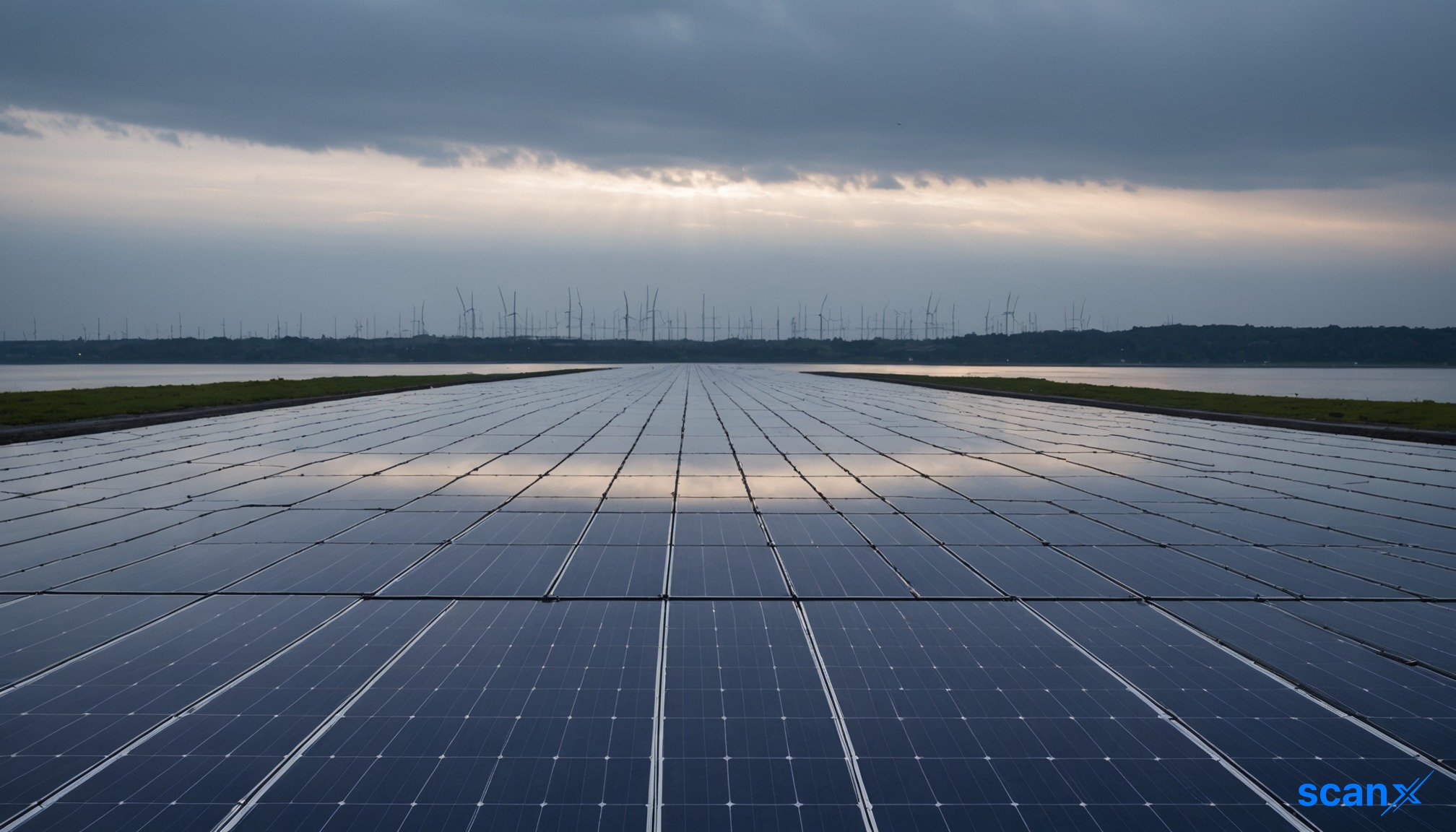

*this image is generated using AI for illustrative purposes only.
Indian Railway Finance Corporation Limited has signed a ₹4,200 crore term loan agreement with Damodar Valley Corporation (DVC) to finance renewable energy projects across Jharkhand and West Bengal. This strategic move extends IRFC’s financing capabilities into the clean energy sector while supporting Indian Railways' target of Net Zero Carbon Emissions by 2030.
The transaction marks a significant step in IRFC's diversification beyond core railway financing. The funds will support DVC’s portfolio of floating solar, ground-mounted solar, rooftop solar, and Battery Energy Storage System (BESS) projects. These initiatives leverage DVC's existing land, reservoirs, and transmission infrastructure to enhance sustainable power generation.
Strategic alignment with national goals
Manoj Kumar Dubey, Chairman & Managing Director of IRFC, emphasized that renewable energy is central to the Railways' sustainability journey. He stated that this financing represents "IRFC 2.0 in action," showcasing strategic diversification that remains connected to the Railways ecosystem. The partnership aims to bring long-term capital to infrastructure that supports the Railways' growing energy requirements.
The loan was executed in New Delhi with senior officials from both entities present, including Manish Kumar, Member (Finance) at DVC. This collaboration highlights how public sector enterprises can mobilize capital for nationally important railway-linked infrastructure, combining core financial strengths with emerging clean energy needs.
Portfolio expansion details
IRFC’s expanding financing portfolio now includes sectors such as renewable energy, power, metro rail, logistics, and other infrastructure with strong linkages to national development priorities. The DVC transaction reinforces IRFC's role as a long-term partner for railway-linked clean energy infrastructure.
Key transaction highlights
| Feature | Details |
|---|---|
| Lender | Indian Railway Finance Corporation Ltd |
| Borrower | Damodar Valley Corporation (DVC) |
| Loan Amount | ₹4,200 crore |
| Project Types | Floating solar, ground-mounted solar, rooftop solar, BESS |
| Locations | Jharkhand, West Bengal |
| Objective | Support Net Zero Carbon Emissions by 2030 |
What the numbers show
The ₹4,200 crore commitment illustrates IRFC's shift from a pure-play railway financier to a diversified infrastructure lender. By directing substantial capital toward DVC’s renewable assets, IRFC is effectively hedging its exposure by aligning with the energy demands of the railway network itself. This dual benefit ensures that the financed projects not only generate returns but also potentially secure stable energy sources for railway operations, creating a symbiotic financial and operational relationship.
Historical Stock Returns for IRFC
| 1 Day | 5 Days | 1 Month | 6 Months | 1 Year | 5 Years |
|---|---|---|---|---|---|
| -1.75% | -3.62% | -8.07% | -17.52% | -36.69% | 0.0% |

How will this diversification into renewable energy impact IRFC's credit rating and cost of capital in the upcoming fiscal quarters?
What specific regulatory frameworks or policy incentives are expected to accelerate the execution of DVC's floating solar and BESS projects in Jharkhand and West Bengal?
To what extent will the energy generated from these projects directly offset railway traction power costs, and how might this affect IRFC's long-term revenue stability?
















 Create Custom Screeners
  Access 200+ Pre-built Filters
  Use 50+ Readymade Screener





