

Warren warns Trump AI data center push could raise US power bills


- Sen. Elizabeth Warren criticizes Trump's AI data center support, citing potential electricity cost hikes
- Trump warns communities blocking data centers risk remaining "backwards and poor"
- Nvidia CEO Jensen Huang defends expansion, citing $400 billion in AI startup investments
- Investor Kevin O'Leary calls for transparency on water use and power sourcing
- Mark Cuban warns of potential losses if AI infrastructure returns disappoint

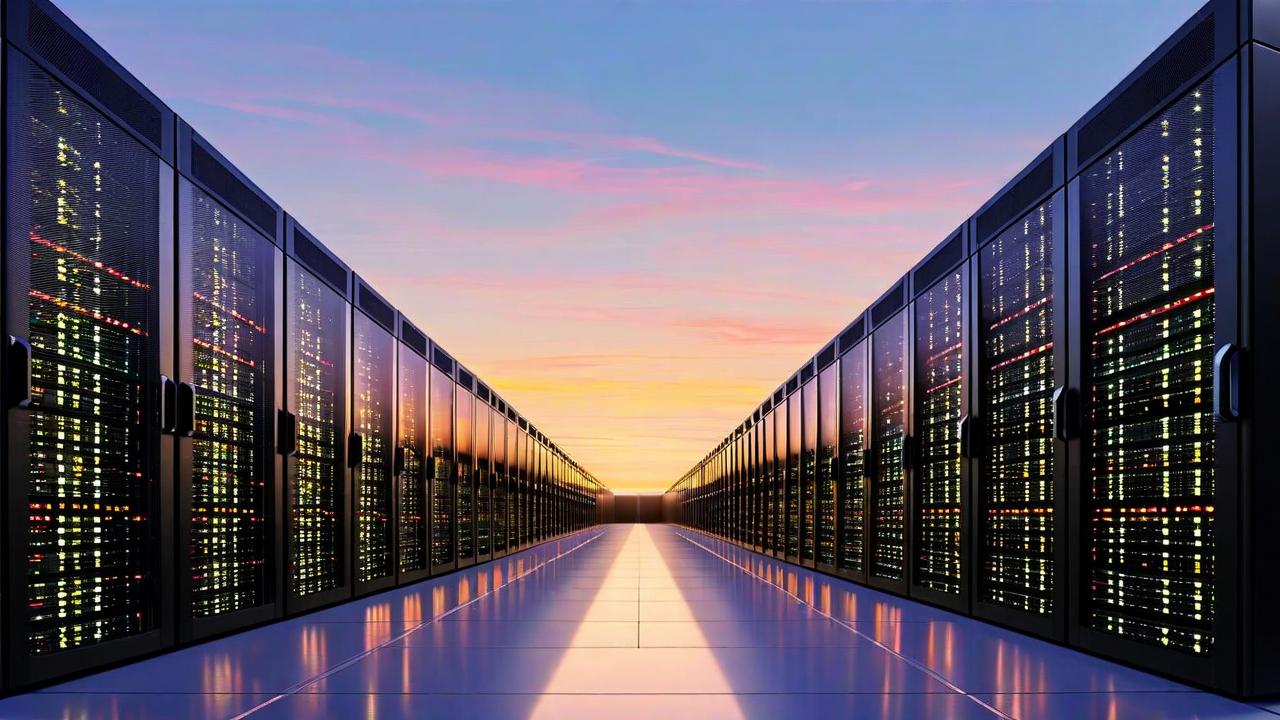

*this image is generated using AI for illustrative purposes only.
Sen. Elizabeth Warren (D-Mass.) criticized President Donald Trump’s support for artificial intelligence data centers, arguing American families should not face higher electricity costs to fuel Big Tech’s expansion.
Warren responded to Trump’s recent comments on X, where he labeled opponents of local data centers as "backwards and poor." She countered that forcing families to pay higher bills for trillion-dollar tech companies is truly backwards.
Trump Defends Expansion
President Trump doubled down on his support, warning communities that rejecting data centers could remain "backwards and poor" while those embracing them become "successful and rich." He argued that blocking development would kill the "Golden Goose" and benefit China.
Industry Perspectives
Nvidia Corp (NASDAQ: NVDA) CEO Jensen Huang defended the boom, stating it brings manufacturing back to the U.S. and strengthens the power grid. He noted $400 billion invested in AI startups over six months.
What the Numbers Show
The $400 billion investment figure cited by Huang highlights the scale of capital flowing into the sector. This massive capital influx contrasts with investor Kevin O’Leary’s call for developers to "bring your own power" and disclose water use, suggesting a tension between rapid expansion and community infrastructure limits.
Investor Kevin O’Leary urged greater transparency on water use and emissions. Meanwhile, Mark Cuban warned that massive infrastructure spending could lead to major losses if returns fail to meet expectations, quipping that some centers might become pickleball courts.

How might the proposed 'bring your own power' model impact the capital expenditure requirements for AI infrastructure developers?
What regulatory measures could Congress introduce to balance AI data center expansion with residential electricity affordability?
Could the tension between rapid AI deployment and grid capacity constraints lead to a correction in valuations for major chipmakers like Nvidia?
 18
18







 Access 50+ Readymade Screeners
  Use 200+ Custom Filters
  Get Full Market Insights





