

Nasdaq closes at new record high as crude oil prices continue to slide


- Nasdaq Composite closed at a new record high of 27,244.28 on Tuesday
- Crude oil prices fell for the fifth consecutive session
- CNN Business Fear & Greed Index improved to 35 but remains in 'Fear' zone
- Thor Industries shares rose over 5% on Q4 results; AutoZone gained 3%

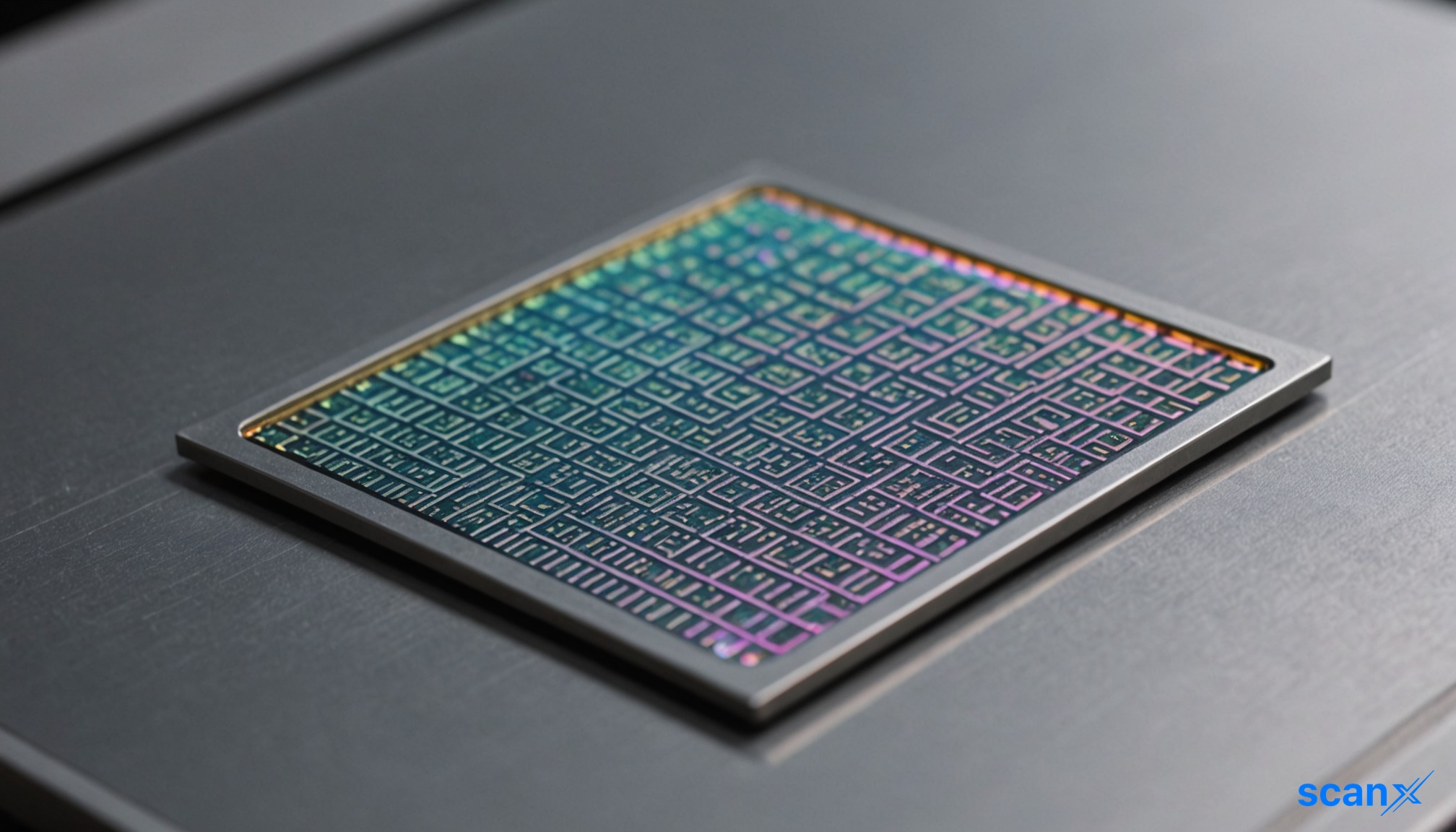

*this image is generated using AI for illustrative purposes only.
The Nasdaq Composite closed at a new record high on Tuesday, rising 0.45% to 27,244.28 points. A fifth consecutive decline in crude oil prices relieved pressure on Treasury yields, boosting investor sentiment despite broader market caution.
Tech stocks drive gains
Technology and communication services sectors led the rally on Monday, bucking the mixed weekly performance of major indices. The Dow Jones Industrial Average fell 1.7% for the week, and the S&P 500 declined 0.1%, while the tech-heavy Nasdaq recorded a weekly gain of 0.7%. On Monday, the Dow rose 366 points to 52,048.83, and the S&P 500 gained 1.49% to 7,764.70.
Individual tech stocks saw significant movement:
- Intel Corp. (NASDAQ: INTC) jumped 12%
- Advanced Micro Devices (NASDAQ: AMD) added around 10%
- Meta Platforms Inc. (NASDAQ: META) surged 11% following positive early responses to its Muse AI agent
Economic data and sector performance
Most S&P 500 sectors closed higher on Monday, with information technology and consumer discretionary posting the biggest gains. Energy and utilities stocks declined, reflecting the drop in oil prices. On the economic front, the Chicago Fed National Activity Index fell to -0.04 in August from a revised +0.08 in the previous month, indicating a slight cooling in economic activity.
On Tuesday, most sectors on the S&P 500 closed on a negative note, with communication services, financial and energy stocks recording the biggest losses. However, materials and consumer staples stocks closed the session higher. The Federal Reserve’s Fifth District manufacturing index declined to -2 in September, compared to 4 in the previous month and versus market estimates of 5.
| Index | Monday Close | Daily Change | Weekly Change |
|---|---|---|---|
| Dow Jones Industrial Average | 52,048.83 | +366 points | -1.7% |
| S&P 500 | 7,764.70 | +1.49% | -0.1% |
| Nasdaq Composite | 27,122.09 | +2.26% | +0.7% |
Corporate earnings and geopolitical news
Shares of Thor Industries Inc. (NYSE: THO) gained over 5% on Tuesday after the company reported results for the fourth quarter. AutoZone Inc. (NYSE: AZO) rose 3% as the company reported better-than-expected fourth-quarter earnings. Investors are now awaiting earnings results from General Mills Inc. (NYSE: GIS), Cintas Corp. (NASDAQ: CTAS) and Paychex Inc. (NASDAQ: PAYX).
Speaking at the United Nations General Assembly on Tuesday, President Donald Trump said he faces a "big decision" on whether to negotiate with Tehran or "annihilate the Islamic Republic," adding, "I believe we’ll make a deal right after the election because it doesn’t make sense for them not to."
Sentiment remains cautious
Despite the record close on the Nasdaq, overall market sentiment remains subdued. The CNN Business Fear & Greed Index improved slightly to 35 from a prior reading of 34, but remained in the "Fear" zone. The index, which ranges from 0 (maximum fear) to 100 (maximum greed), is calculated based on seven equal-weighted indicators.
What the numbers show
A divergence exists between asset class performance and sentiment indicators. While the Nasdaq achieved a record high driven by specific tech rallies and easing macro pressures (oil/yields), the Fear & Greed Index at 35 suggests investors remain hesitant about broader market sustainability. This indicates that recent gains are concentrated in specific sectors rather than reflecting widespread bullish confidence across all market participants.

How might the divergence between the Nasdaq's record high and the Fear & Greed Index's 'Fear' reading impact institutional portfolio rebalancing strategies in the coming weeks?
What are the potential implications for semiconductor supply chains and valuation multiples if Intel and AMD's recent rallies are driven by unsustainable AI hype rather than fundamental earnings growth?
Given the cooling Chicago Fed National Activity Index and declining Fifth District manufacturing data, how likely is it that the Federal Reserve will pivot to rate cuts earlier than currently anticipated?
 19
19






 Access Market Heat-map & Insights
  Create, Save & Share your Screener
  Use 200+ Screening Filters





