

Iran offers nuclear inspections if US eases sanctions before midterms


- Iran seeks to revive ceasefire memorandum with US before November midterms
- Tehran offers to allow nuclear inspectors if sanctions are eased
- President Pezeshkian denies allegations of plots against Donald Trump

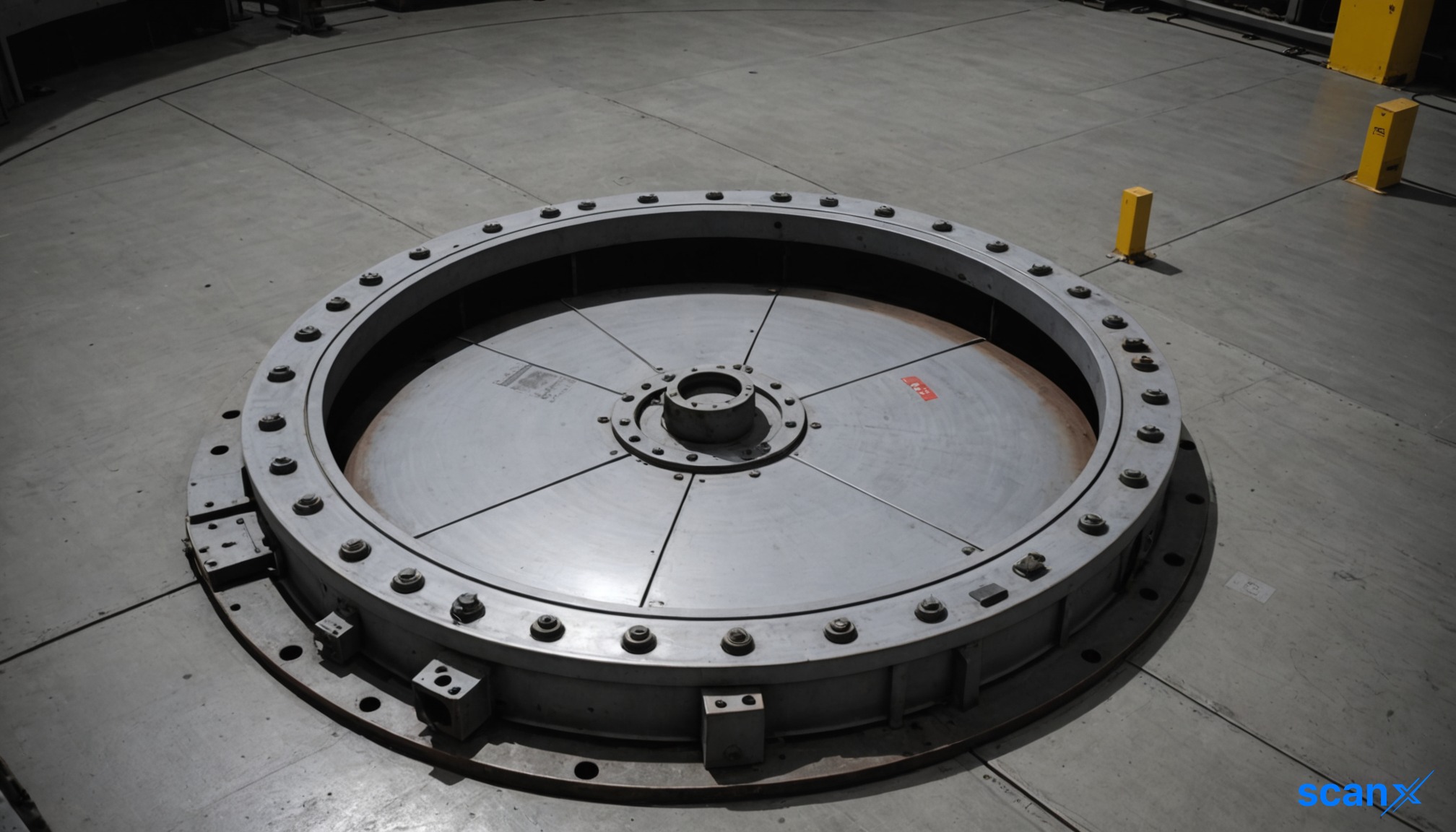

*this image is generated using AI for illustrative purposes only.
Iranian President Masoud Pezeshkian stated that Tehran aims to revive its ceasefire memorandum of understanding with the United States before the November midterm elections. Pezeshkian emphasized that Iran does not want diplomatic talks delayed until after the vote.
The Iranian leader also addressed concerns regarding nuclear oversight, stating that Iran is "open" to inspections of its nuclear facilities. This statement comes amidst heightened geopolitical tensions and ongoing diplomatic negotiations between the two nations.
Nuclear oversight linked to sanctions
Iran has explicitly offered to allow nuclear inspectors into its facilities, but this offer is conditional on the easing of sanctions. This development adds a specific economic dimension to Tehran's previous general statements about being "open" to oversight. The linkage suggests that sanctions relief is a primary prerequisite for any renewed verification regime or broader diplomatic agreement.
Denial of assassination plots
Pezeshkian explicitly denied allegations that Tehran is seeking to assassinate Donald Trump or his family. The denial serves as a direct rebuttal to recent accusations circulating in international media and political circles.
The push for a pre-election agreement suggests a strategic calculation by Tehran to influence or benefit from the political timeline in the United States. By seeking a resolution before the midterms, Iran may be attempting to secure favorable terms while the current administration remains in power.

How might a potential pre-midterm ceasefire agreement impact oil market volatility and global energy prices?
What specific sanctions relief measures is Iran likely prioritizing in exchange for reopening nuclear inspections?
Could the denial of assassination plots alter the trajectory of US-Iran diplomatic negotiations or influence US election rhetoric?
 15
15




 Access Market Heat-map & Insights
  Create, Save & Share your Screener
  Use 200+ Screening Filters





