

Iran blames US for fuel prices, warns of Hormuz closure impact


- Esmaeil Baqaei accused the Trump administration of blaming Iran for rising US fuel prices.
- Treasury Secretary Scott Bessent announced all Iranian airlines would be grounded by Wednesday.
- Brent crude oil prices hit $102 as tensions over the Strait of Hormuz escalated.
- Iran's Security Chief confirmed war-end terms were sent to the Trump administration via mediators.

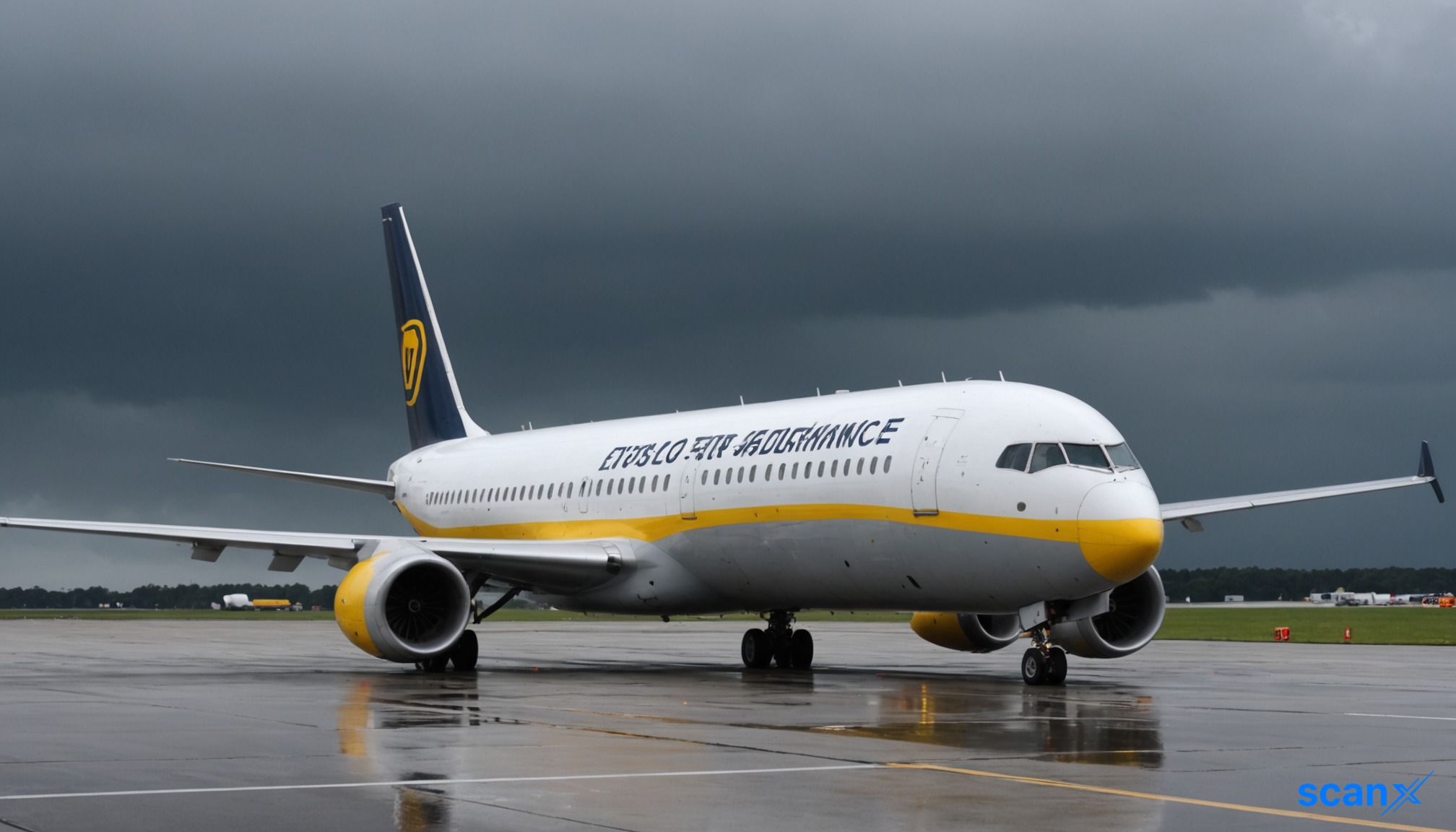

*this image is generated using AI for illustrative purposes only.
Iran's Foreign Ministry Spokesperson Esmaeil Baqaei accused the Trump administration of blaming Tehran for record-high fuel prices in the United States. Baqaei stated that US officials were ignoring who initiated the war of aggression and whose actions led to the closure of the Strait of Hormuz.
Blame game intensifies over energy costs
In a post on X on Tuesday, Baqaei argued that the public's memory was not short enough to forget the origins of the conflict. He questioned whether blaming the victim for the fallout of an unlawful war of choice constituted strategic brilliance or was a symptom of folly, referencing Barbara W. Tuchman's 1984 book The March of Folly. Baqaei drew a historical parallel to 1939, noting how Hitler framed his invasion of Poland as a defensive action.
US imposes economic pressure on Iran
Treasury Secretary Scott Bessent issued a statement on Monday declaring that all Iranian airlines would be grounded by Wednesday. This measure is part of broader economic pressure aimed at countries and institutions engaging with Iran. Bessent threatened to remove enablers from the dollar system through sanctions.
Iran reaffirms control over strategic waterway
Iranian Parliament Speaker Mohammad Bagher Ghalibaf warned the United States on Sunday that Tehran retains control over the Strait of Hormuz. He stated that the US cannot expect to apply pressure without facing blowback or consequences. Meanwhile, Iran's Security Chief Mohsen Rezaee confirmed that the government had sent its war-end terms to the Trump administration via mediators, suggesting acceptance would be in the best interest of the United States.
Diplomatic and military tensions rise
The exchange follows a stark warning from President Donald Trump to Iran regarding retaliation against US bases. Brent crude oil prices reached $102 amid these tensions, while Dow futures rose. Marjorie Taylor Greene supported Trump's diesel export ban, though top oil analysts cautioned against such measures.

How might the grounding of Iranian airlines impact regional air travel routes and insurance premiums for international carriers?
What specific diplomatic channels are mediators using to convey Iran's war-end terms, and what are the US prerequisites for accepting them?
If Brent crude remains above $100, how might this influence Federal Reserve interest rate decisions and US inflation expectations?
 19
19





 Access Market Heat-map & Insights
  Create, Save & Share your Screener
  Use 200+ Screening Filters





