

G20 finance leaders urge restraint on export restrictions


- G20 finance leaders urge avoidance of unnecessary export restrictions
- Supply chain functionality cited as critical for normal operations
- Growth advancement identified as key priority for G20 economies
- Members directed to address regulatory and administrative burdens
- Countries with persistent surpluses told to remove export distortions

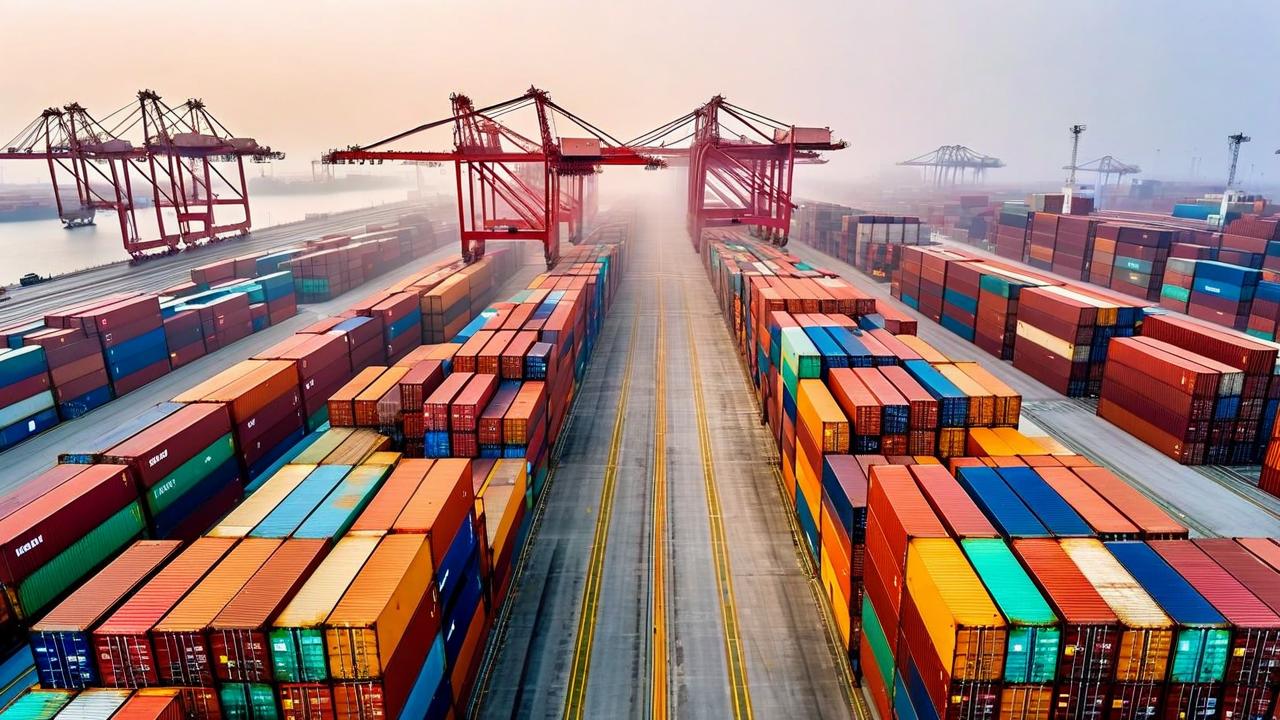

*this image is generated using AI for illustrative purposes only.
G20 finance leaders have urged member nations to avoid unnecessary export restrictions. The move aims to ensure global supply chains function normally while advancing growth across participating economies.
Policy Priorities
The G20 Chair's Statement highlights that addressing impediments, including regulatory and administrative burdens, is central to the group's agenda. Leaders emphasized that excessive and persistent imbalances pose risks to the global economic system.
Addressing Imbalances
The statement notes that such imbalances can generate distortions and adverse spillovers. Countries with excessive and persistent external surpluses are advised to remove distortions that cause an overreliance on exports for growth.
What the Numbers Show
The directive links trade policy directly to macroeconomic stability. By targeting export restrictions and surplus-driven distortions simultaneously, the G20 signals a coordinated approach to reducing systemic risk in global trade flows.

How might major surplus economies respond to the G20's pressure to reduce export reliance, and could this lead to retaliatory trade measures?
What specific regulatory reforms are member nations likely to prioritize to alleviate the administrative burdens cited as impediments to global supply chains?
Could the G20's coordinated stance on export restrictions influence ongoing multilateral trade negotiations at the WTO?
 16
16







 Create Custom Screeners
  Access 200+ Pre-built Filters
  Use 50+ Readymade Screener





