Canada and Chile deepen critical minerals and defence ties

scanx
Reviewed by
Shriram SScanX News Team
Key Highlights
  • Prime Minister Mark Carney met President José Antonio Kast at the UN General Assembly
  • Canada is Chile's largest foreign investor with nearly $40 billion in capital
  • Leaders agreed to expand cooperation in critical minerals and defence sectors
  • Canada plans to join a joint Antarctic expedition in 2027
  • Both nations reaffirmed commitment to ocean biodiversity protection
powered bylight_fuzz_icon
51645825

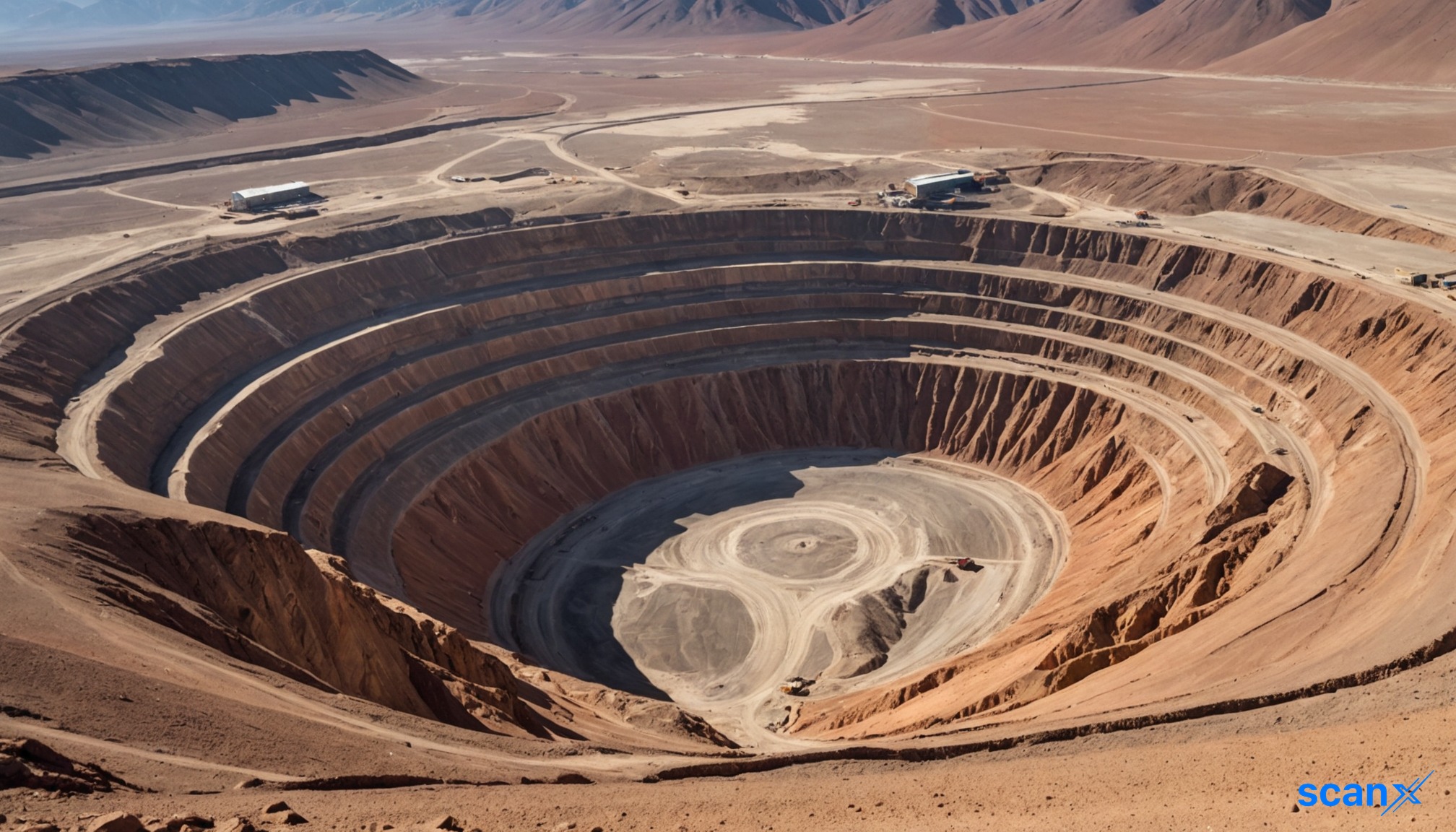
*this image is generated using AI for illustrative purposes only.

Prime Minister Mark Carney and Chilean President José Antonio Kast agreed to expand bilateral cooperation in critical minerals, defence, and aerospace sectors. The meeting took place on the margins of the 81st Session of the United Nations General Assembly in New York on September 22, 2026.

The leaders underscored the strategic importance of deepening economic ties, particularly in the critical minerals sector. Canada currently stands as Chile's largest foreign investor, with nearly $40 billion in investments recorded last year across financial services, infrastructure, energy, and mining.

Strategic partnership framework

Both nations welcomed the shared commitment to protecting biodiversity, including efforts focused on the world's oceans. The discussion also covered joint initiatives to advance the Canada-Chile Strategic Partnership Framework, aiming to strengthen institutional and commercial links.

Antarctic research collaboration

Prime Minister Carney expressed Canada's interest in participating in a joint Antarctic expedition scheduled for 2027. This move highlights growing scientific cooperation between the two countries in polar regions.

Sector Investment Status Key Focus
Critical Minerals Major focus area Strategic supply chain security
Defence & Aerospace Expanding partnership Industrial collaboration
Financial Services Established presence Part of $40 billion total investment
Energy Active engagement Infrastructure development

What the Numbers Show

The disclosure that Canada holds nearly $40 billion in investments positions it as the dominant foreign capital source for Chile. This concentration suggests that future diplomatic engagements will likely prioritize regulatory stability and investment protection to safeguard this significant economic footprint.

Disclaimer: This article is AI-generated using data from ViewTrade. ScanX is not liable for any inaccuracies.

How might the expanded critical minerals cooperation influence global lithium and copper supply chain diversification away from China?

What specific regulatory changes in Chile could impact the security of Canada's $40 billion investment portfolio?

Will the joint Antarctic expedition lead to formalized geopolitical positioning regarding resource rights in polar regions?

like16
dislike

Canada could add $5.4B to GDP by processing more crops at home

scanx
Reviewed by
Ritika DScanX News Team
Key Highlights
  • Redirecting 10% of raw crop exports to domestic processing could add $5.4 billion to Canada's GDP
  • The shift would support approximately 34,000 full-time-equivalent jobs across supply chains
  • Global ingredient-processing market projected to reach US$801.9 billion by 2040
  • Canada's potential share of this global market is estimated at US$42.1 billion
powered bylight_fuzz_icon
51633579

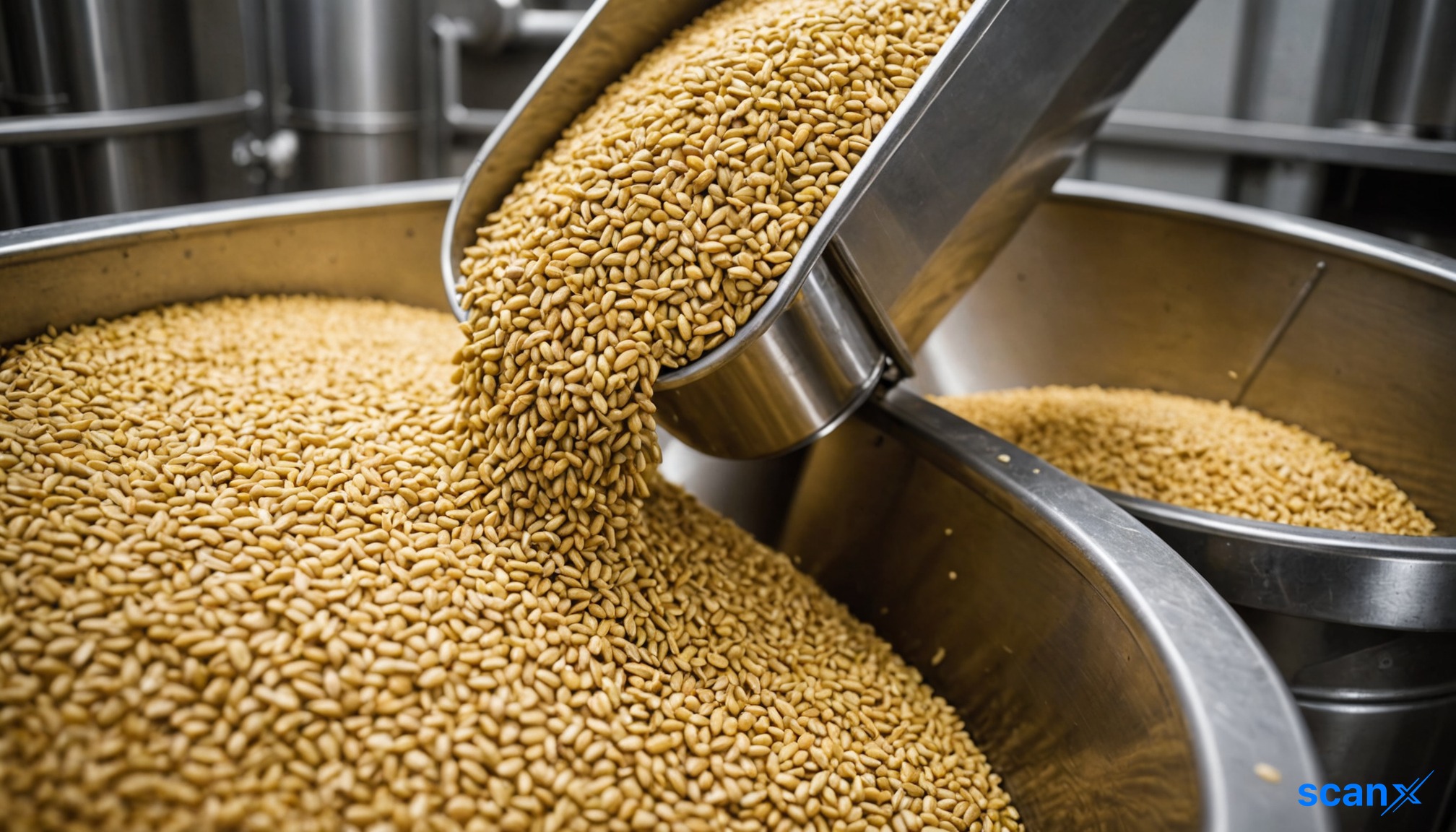
*this image is generated using AI for illustrative purposes only.

Canada could generate up to $5.4 billion in additional GDP and support approximately 34,000 full-time-equivalent jobs by redirecting just 10% of its raw crop exports to value-added processing domestically. This potential gain stems from a new EY analysis released by Protein Industries Canada on September 22, 2026.

The findings align with the federal government’s National Food Security Strategy, which prioritizes domestic food processing to reduce dependence on other countries. The strategy explicitly aims to strengthen self-sufficiency and drive economic growth by increasing the volume of food processed within Canada.

Economic Impact of Domestic Processing

The EY economic modelling estimates that shifting just 10% of raw crop exports to domestic value-added processing would yield significant financial and employment benefits. The sector already contributes substantially to the economy, with the food and agriculture industry adding $149.2 billion to GDP in 2024 and supporting 2.3 million jobs. However, a large portion of Canadian crops currently leaves the country before higher-value manufacturing occurs.

Metric Estimated Impact
Additional GDP retained $5.4 billion
Additional food manufacturing output $7.9 billion
Full-time-equivalent jobs ~34,000
Additional government revenues Up to $1.1 billion

Global Market Opportunity

Beyond domestic gains, the study highlights a substantial global opportunity in ingredient processing. EY forecasts the global market could grow from US$436 billion in 2025 to US$801.9 billion by 2040. Within this expanding landscape, Canada’s potential market share is estimated at approximately US$42.1 billion.

Strategic Recommendations

Protein Industries Canada CEO Tyler Groeneveld emphasized that Canada’s agricultural strength, particularly in the Prairies, combined with national capital and technology expertise, can drive this transition. The organization’s Make It Here campaign advocates for treating food and ingredient manufacturing as a national economic priority.

Key recommendations to unlock domestic processing capacity include:

  • De-risking capital and investment opportunities
  • Developing processing infrastructure
  • Modernizing regulatory frameworks
  • Coordinating government programs
  • Improving market access

What the Numbers Show

The data reveals a significant value gap between raw export and processed output. While redirecting only 10% of exports generates $7.9 billion in additional manufacturing output, it results in $5.4 billion in retained GDP. This implies that for every dollar of output generated, roughly 68% of that value is captured as direct economic contribution within Canada, highlighting the high multiplier effect of domestic processing compared to raw commodity exports.

Disclaimer: This article is AI-generated using data from ViewTrade. ScanX is not liable for any inaccuracies.

What specific regulatory bottlenecks are currently hindering the expansion of domestic food processing infrastructure in Canada?

How might U.S. trade policies or tariffs impact Canada's ability to capture the projected US$42.1 billion share of the global ingredient processing market?

What capital investment incentives is the federal government planning to implement to address the 'de-risking' needs highlighted by Protein Industries Canada?

like15
dislike