

Bessent ties wage gains to manufacturing renaissance amid AI debate


- Bessent links wage gains to a manufacturing renaissance
- Suggests AI developers slow down if losing control
- Expresses confidence in navigating the Iran conflict



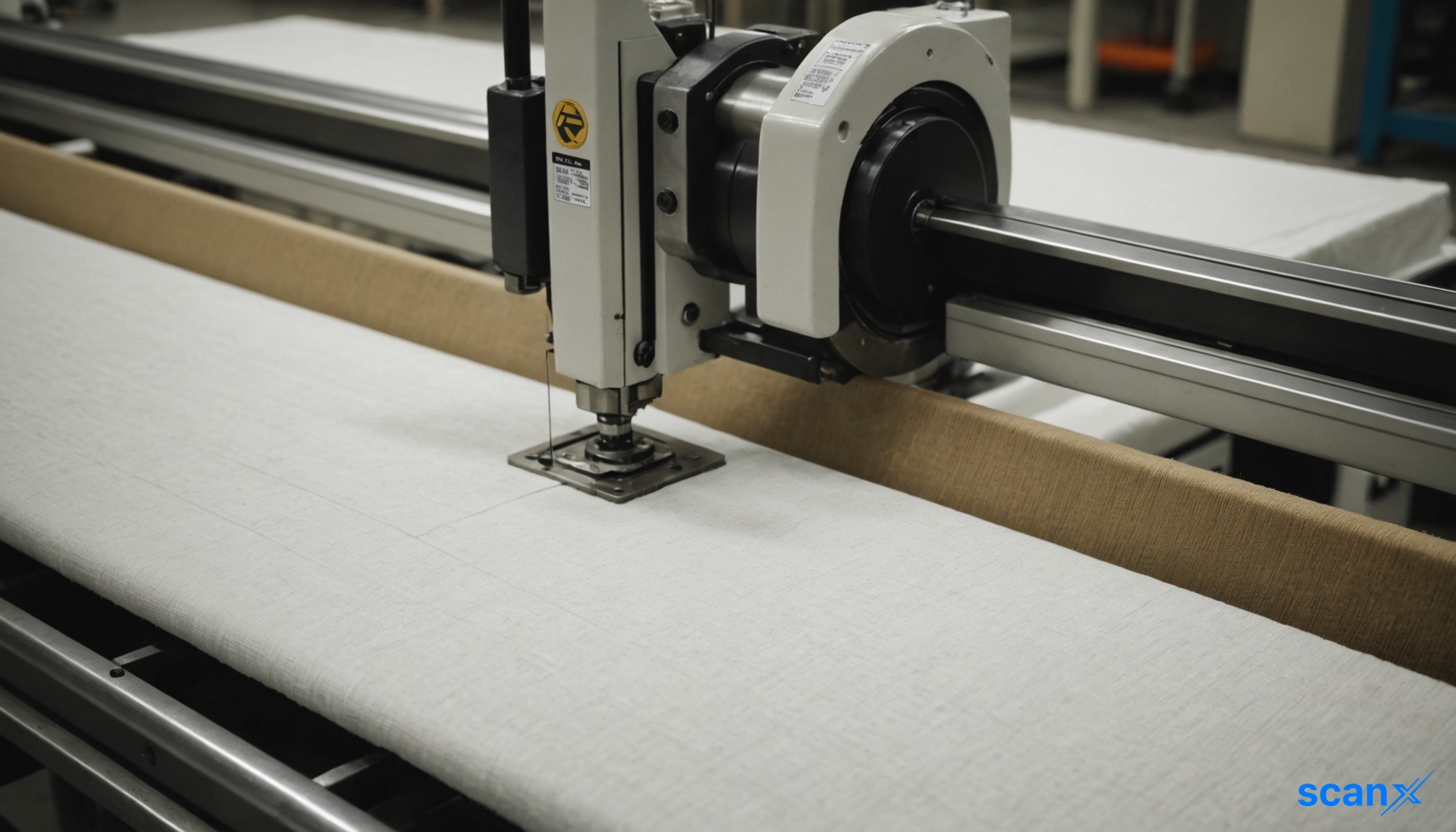
*this image is generated using AI for illustrative purposes only.
US Treasury Secretary Scott Bessent stated that wage gains will continue due to a "manufacturing renaissance" in the United States. He made the remarks while discussing the economic outlook and the ongoing conflict involving Iran, asserting that the US will "get to the other side" of the geopolitical tensions.
AI regulation and corporate control
When asked about CEOs expressing concern over losing control of artificial intelligence and demanding regulation, Bessent responded bluntly. He suggested that if executives are worried about control, they should "slow down." He likened the situation to a dramatic warning, comparing it to "Hannibal Lecter: stop me before I kill again," implying that rapid advancement without caution carries inherent risks.
Economic context and policy stance
Bessent’s comments highlight a dual focus on domestic industrial strength and technological governance. By linking wage growth directly to manufacturing activity, he underscores the administration's view that industrial policy is driving labor market improvements. The reference to the Iran conflict suggests that despite external geopolitical pressures, the Treasury maintains confidence in the resilience of the US economy.
Key takeaways from Bessent's remarks
- Wage growth is attributed to the ongoing manufacturing renaissance.
- Concerns about AI control should be addressed by slowing development pace.
- The US is expected to navigate through the current Iran conflict successfully.

How might specific tariff policies or industrial subsidies evolve to sustain the claimed 'manufacturing renaissance' beyond the current cycle?
What regulatory frameworks might emerge if the Treasury Secretary's 'slow down' stance on AI influences federal R&D funding or private sector investment incentives?
Could prolonged geopolitical tensions with Iran lead to supply chain disruptions that offset the wage gains predicted from domestic manufacturing growth?
 16
16






 Access 50+ Readymade Screeners
  Use 200+ Custom Filters
  Get Full Market Insights





