

Nvidia, Salesforce, Okta shares rise on strong Q2 earnings


- Nvidia shares rose 4.7% after hours, lifting Dow futures 180 points
- Salesforce beat Q2 estimates and raised FY27 guidance
- Okta reported better-than-expected Q2 results and raised FY27 guidance
- Jensen Huang emphasized compute as a key revenue driver for Nvidia



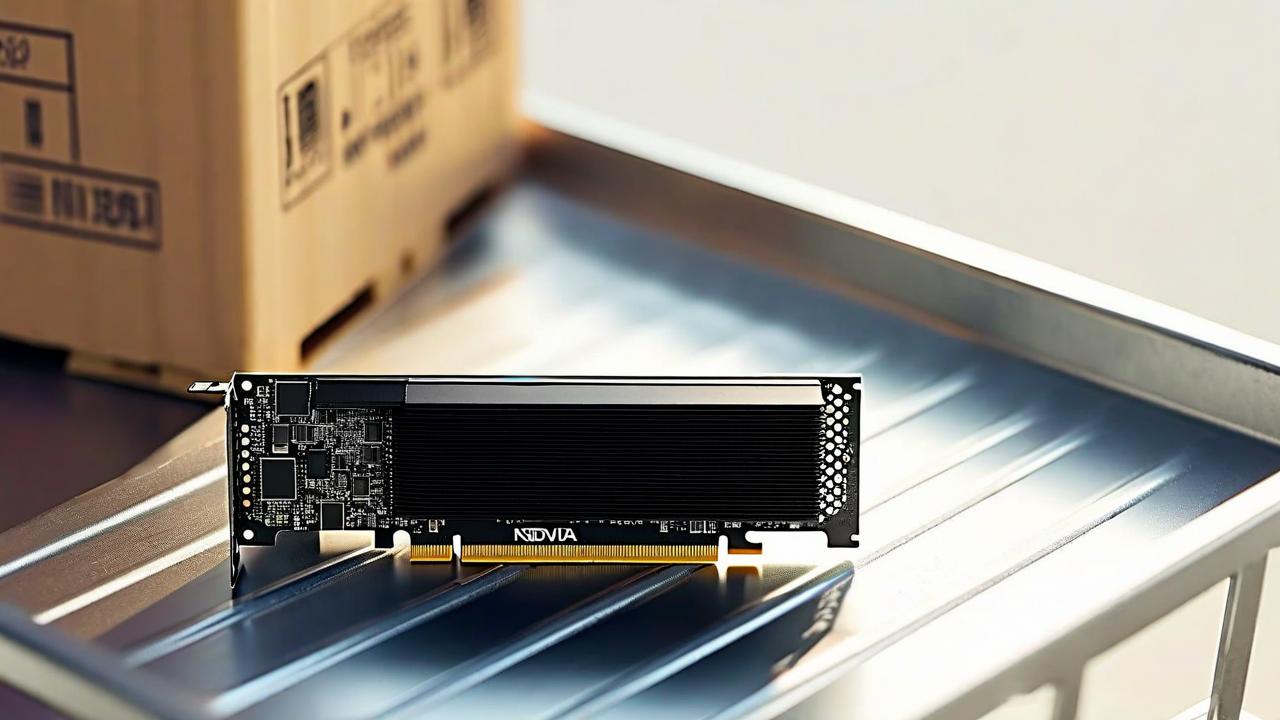
*this image is generated using AI for illustrative purposes only.
Shares of Nvidia, Salesforce, and Okta traded higher following the release of second-quarter financial results that exceeded market expectations.
Nvidia Corporation (NASDAQ: NVDA) saw its stock pop 4.7% in after-hours trading. The move lifted Dow Jones Industrial Average futures by 180 points. CEO Jensen Huang stated that "compute is revenue," highlighting the company's strategic focus on computing infrastructure as a primary revenue driver.
Salesforce Inc (NYSE: CRM) reported better-than-expected Q2 financial results. The company issued third-quarter guidance above analyst estimates and raised its full-year FY27 guidance. This upward revision signals confidence in sustained demand for its cloud-based enterprise solutions.
Okta Inc (NASDAQ: OKTA) also delivered a strong quarter, with shares trading higher after reporting better-than-expected Q2 results. Similar to Salesforce, Okta issued Q3 sales guidance above estimates and raised its FY27 guidance above prior expectations.
What the Numbers Show
The simultaneous upgrade in forward guidance by both Salesforce and Okta for FY27 suggests a broader positive sentiment in the enterprise software sector. Both companies are projecting stronger future performance than previously anticipated, driven by current quarter outperformance.

Will Nvidia's assertion that 'compute is revenue' signal a shift in investor preference toward infrastructure providers over application-layer AI companies?
How might the simultaneous upward guidance revisions by Salesforce and Okta impact valuations for other mid-cap enterprise software stocks in the coming quarter?
Could the strong Q2 results and raised FY27 guidance indicate that enterprise spending on cloud and security solutions is resilient despite broader macroeconomic uncertainties?
 18
18














 Access Market Heat-map & Insights
  Create, Save & Share your Screener
  Use 200+ Screening Filters





