

Nvidia CFO calls Vera Rubin ramp fastest in company history


- Nvidia CFO labels Vera Rubin ramp as fastest in company history
- $40 billion revenue opportunity cited per gigawatt for new architecture
- Production shipments of Vera Rubin began in Q3 FY27
- Company faces supply constraints due to scale and complexity
- Significant commitments made to secure future inventory and capacity



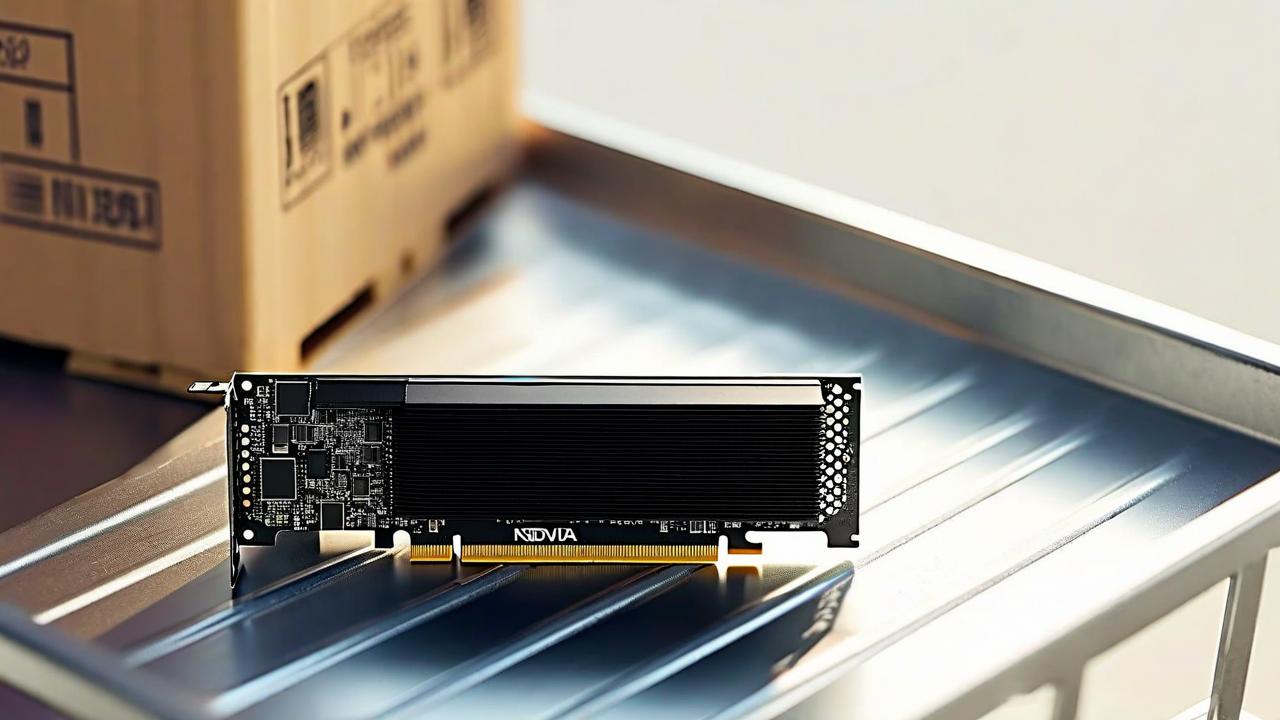
*this image is generated using AI for illustrative purposes only.
Nvidia Corp’s chief financial officer described the Vera Rubin product ramp as the fastest in the company's history. The executive highlighted a $40 billion revenue opportunity per gigawatt for the next-generation architecture.
This assessment comes as Nvidia began production shipments of Vera Rubin in the third quarter of fiscal year 2027. The company plans to ship both Blackwell and Rubin systems in the future.
Supply Chain Context
Nvidia noted it is currently experiencing certain supply constraints. The scale and complexity of producing data center systems have caused delays in production and challenges in managing supply and demand.
The company warned that these factors could lead to revenue volatility, quality issues, increased inventory provisions, decreases in product yields, and higher material costs.
Strategic Commitments
To secure inventory and capacity for the next several years, Nvidia entered into significant commitments. The company may continue entering into manufacturing and supply agreements for both current and future products while expanding its supplier base.
Demand estimates for its products can be inaccurate, creating volatility in revenue or supply levels.

How might the simultaneous production of Blackwell and Vera Rubin systems exacerbate current supply chain bottlenecks and impact delivery timelines for hyperscale customers?
Given the $40 billion revenue opportunity per gigawatt, what specific infrastructure or energy constraints could limit the actual deployment rate of Vera Rubin systems in the coming years?
What strategies is Nvidia employing to mitigate the risk of revenue volatility and inventory provisions as it expands its supplier base to meet unprecedented demand?
 20
20













 Access 50+ Readymade Screeners
  Use 200+ Custom Filters
  Get Full Market Insights





