NVIDIA, AWS to deploy 2 million additional GPUs by 2028

scanx
Reviewed by
Jubin VScanX News Team
Key Highlights
  • NVIDIA and AWS plan to deploy 2 million additional GPUs across AWS global infrastructure in 2027–2028
  • The partnership includes building U.S. government data centers with 100,000 GPUs on Secure AWS Infrastructure
  • Announcement was made during a corporate conference call
powered bylight_fuzz_icon
49324608

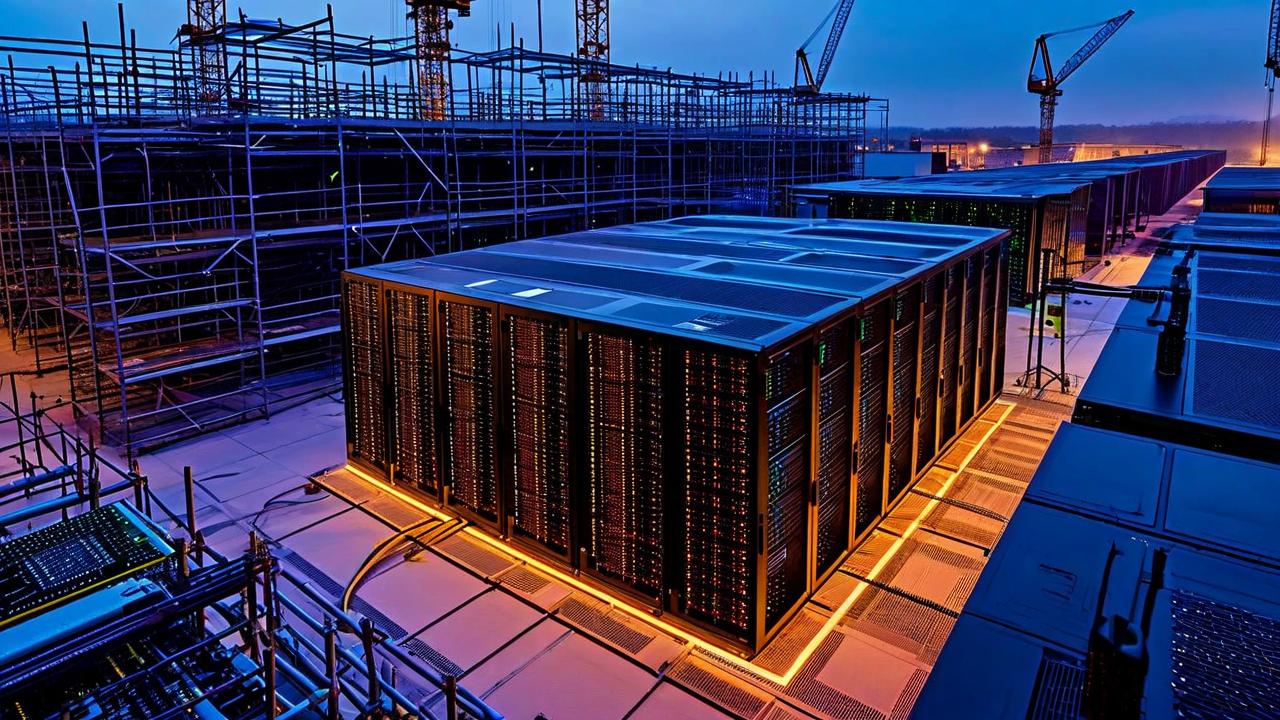
*this image is generated using AI for illustrative purposes only.

NVIDIA and Amazon Web Services (AWS) announced plans to deploy 2 million additional NVIDIA GPUs across AWS’s global infrastructure during 2027–2028. The companies also confirmed they will build data centers for the U.S. government featuring 100,000 GPUs on "Secure AWS Infrastructure".

The announcement was made during a conference call, highlighting a significant expansion in computational capacity between the two technology leaders. The deployment timeline spans two fiscal years, indicating a phased rollout of hardware resources.

Partnership Details

The collaboration focuses on two primary infrastructure initiatives:

  • Global deployment of 2 million NVIDIA GPUs across AWS networks from 2027 to 2028.
  • Construction of dedicated data centers for the U.S. government, incorporating 100,000 GPUs on secure infrastructure.

No financial values or revenue projections were disclosed in the source material regarding this partnership.

How will the phased deployment of 2 million GPUs through 2028 impact NVIDIA's supply chain constraints and production capacity?

What competitive advantages does the dedicated 'Secure AWS Infrastructure' provide for U.S. government cloud contracts compared to other hyperscalers?

Will this massive capital expenditure signal a shift in AWS's pricing strategy for AI workloads to accommodate increased infrastructure costs?

like15
dislike

Nvidia logs $0.4B H200 charge as China demand dims

scanx
Reviewed by
Suketu GScanX News Team
Key Highlights
  • Nvidia incurred a $0.4 billion charge in H1FY27 for excess H200 inventory and purchase obligations
  • Diminished demand resulted from PRC restrictions on U.S.-licensed H200 shipments to China
  • Recent H200 shipments accounted for less than 1% of Data Center revenue
  • Units face a 25% U.S. import tariff due to required pre-shipment inspections
  • Nvidia absorbs the full tariff cost, unable to pass charges to customers
powered bylight_fuzz_icon
49323531

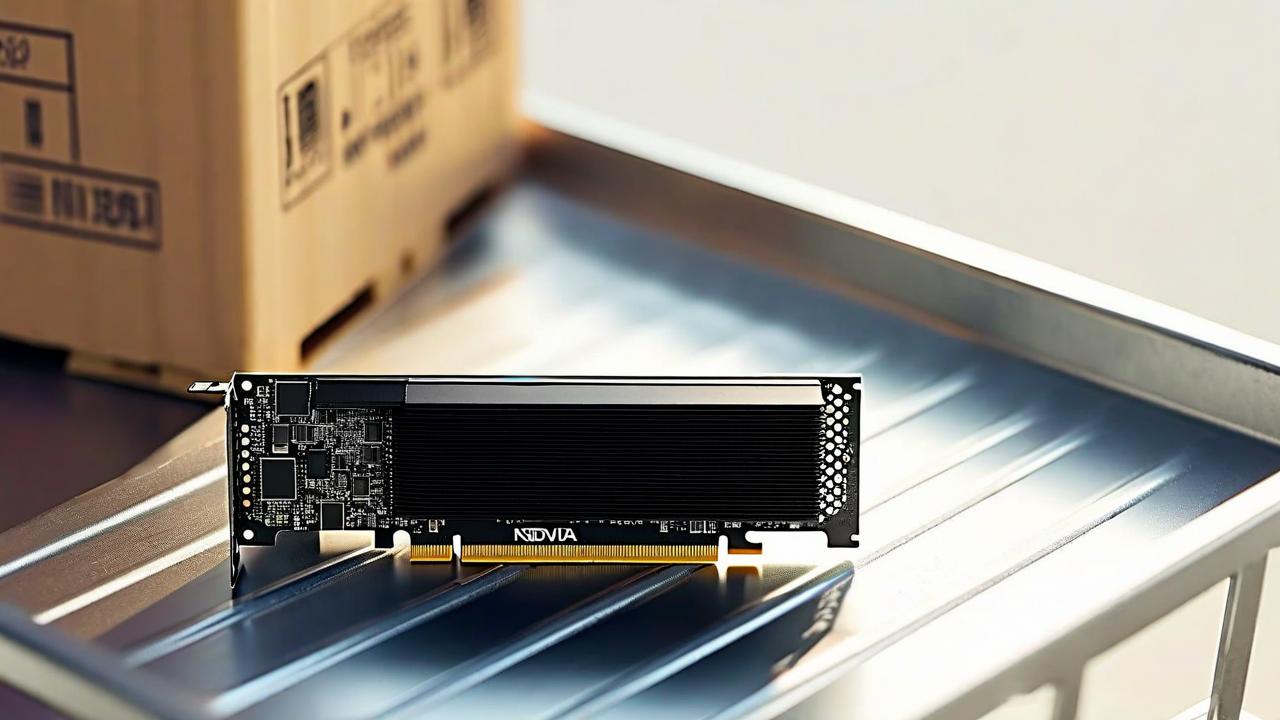
*this image is generated using AI for illustrative purposes only.

Nvidia Corp (NASDAQ: NVDA) incurred a $0.4 billion charge during the first half of fiscal year 2027 (H1FY27) related to excess inventory and purchase obligations for its H200 products. The write-off reflects diminished demand for the chips, which were produced under U.S. government licenses but faced sales restrictions from the People's Republic of China (PRC).

Export Restrictions and Licensing

The U.S. government granted licenses allowing Nvidia to ship small quantities of H200 products to specific customers in China. However, these sales were restricted by PRC regulations, preventing the company from selling all products covered by the licenses.

Following the charge, Nvidia executed a fraction of the allowed shipments under the U.S. licensing program. These limited shipments accounted for less than 1% of Data Center revenue in the most recent quarter.

Tariff Impact on Margins

The licensing framework requires H200 units to undergo an inspection process in the United States before shipment. Consequently, any H200s shipped under this program are subject to a 25% tariff upon importation into the U.S.

Nvidia stated it has been unable to pass any portion of this tariff to its customers. The company does not anticipate passing along tariff costs even if it succeeds in selling licensed products into the China market.

What the Numbers Show

The $0.4 billion charge highlights a significant divergence between production capacity enabled by U.S. export licenses and actual commercial realization in the China market. While the volume impact on overall Data Center revenue is minimal (less than 1%), the inability to offset the 25% import tariff suggests that margin pressure on these specific units is fully absorbed by Nvidia, rather than being shared with end-users.

How might Nvidia adjust its production strategy for China-specific chips like the H200 to better align with the constrained demand caused by PRC regulations?

Could the precedent of absorbing 25% tariffs on H200 units signal a broader shift in Nvidia's pricing power or margin expectations for its Data Center segment?

What are the potential implications for U.S.-China tech trade relations if Nvidia continues to face regulatory bottlenecks despite holding valid export licenses?

like17
dislike

More News on nvidia

Must Read Next

Stocks

Sterling Holiday Resorts launches its 12th property in Uttarakhand 4 mins ago
no imag found
RPP Infra Projects loses ₹205.89 crore order from Tamil Nadu sports body 4 mins ago
Star Cement clarifies no mineral cess liability under MMDR Amendment Act 2026 4 mins ago