

Airline stocks rise as oil falls below $95.5 despite ground stops


- United Airlines rose 5.18% to $114.34 as WTI Crude fell below $95.5 a barrel
- Delta, American, and Southwest also gained, with JETS ETF up 2.75% to $29
- Gains offset broader weakness; UAL is down 16% from its June peak
- Ground stops shifted revenue via rebooking rather than erasing it


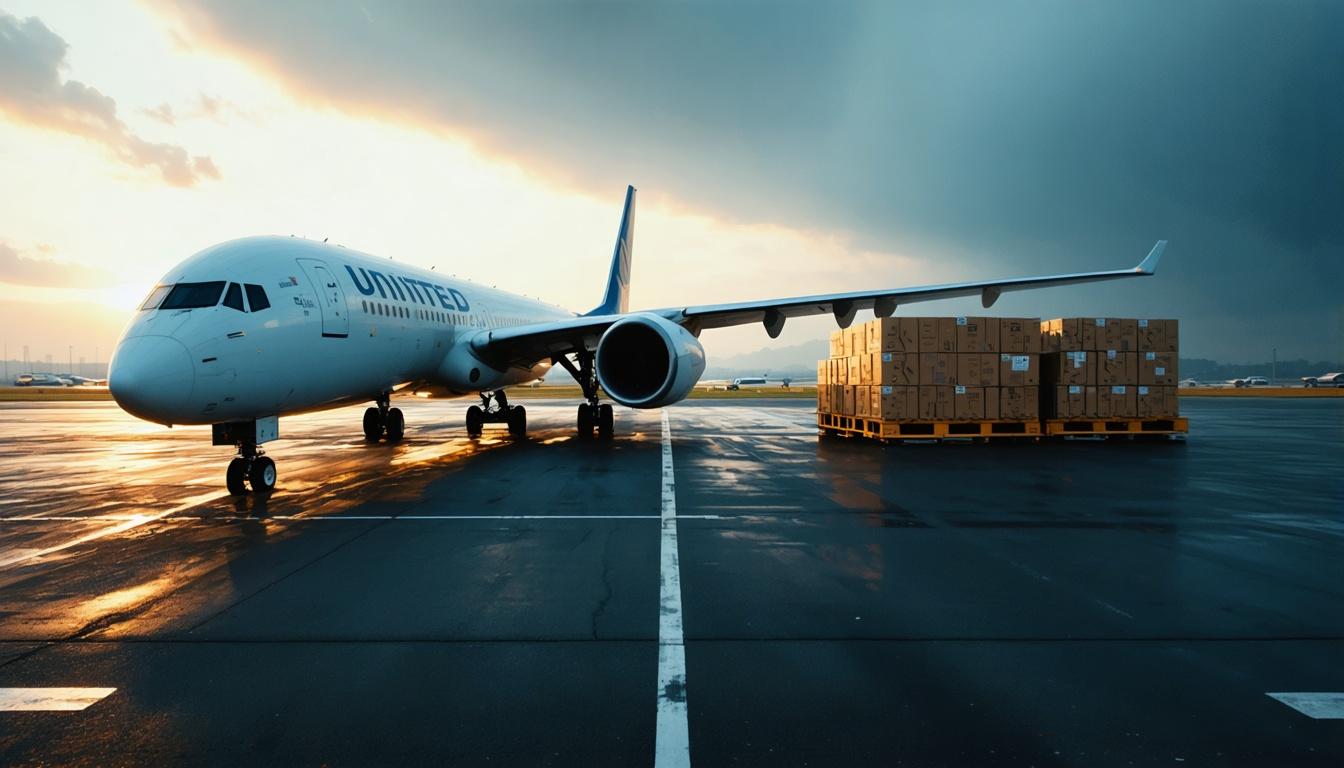
*this image is generated using AI for illustrative purposes only.
United Airlines Holdings (NASDAQ: UAL) rose 5.18% to $114.34 on Monday, leading gains across the sector as investors prioritized falling fuel costs over operational disruptions in the New York City area.
A failed telecom circuit at a Philadelphia air-traffic facility grounded flights for hours during the United Nations General Assembly. Despite the outage, equity markets viewed lower oil prices as the dominant catalyst for airline equities.
Market Reaction
Delta Air Lines (NYSE: DAL) added 3.77% to $82.62, while American Airlines Group (NASDAQ: AAL) gained 4.71% to $13.57. Southwest Airlines (NYSE: LUV) climbed 1.60% to $41.63. The U.S. Global Jets ETF (NYSE: JETS) advanced 2.75% to $29.
WTI Crude oil fell below $95.5 a barrel, marking a fourth consecutive session of losses after President Donald Trump indicated openness to diplomacy with Iran.
Performance Context
The daily gains occurred against a backdrop of significant weakness over the past three months. Airline stocks peaked in late June and have declined since the onset of U.S.-Iran tensions and rising oil prices.
| Ticker | Current Price | YTD Change | 12-Month Change | Peak Drawdown |
|---|---|---|---|---|
| UAL | $114.34 | +1.2% | N/A | -16% |
| DAL | $82.62 | +19.6% | +38.3% | -10.7% |
| AAL | $13.57 | -12.3% | N/A | -24.3% |
| LUV | $41.63 | +0.8% | +28% | -19.8% |
| JETS | $29.00 | N/A | N/A | -12.9% |
Delta has performed best year-to-date, up 19.6%, driven by premium-cabin and loyalty revenue. Southwest is flat year-to-date at +0.8% despite a 28% gain over one year. United logged just 1.2% year-to-date, while American remains down 12.3% since January, weighed by leverage and thinner domestic yields.
Operational Impact
The ground stop affected roughly 250 flights in and out of Newark, with 67 inbound flights diverted. United waived change fees for affected passengers. Maximum delays at Newark and Philadelphia reached close to four hours.
What the Numbers Show
The market’s positive reaction highlights a divergence between operational noise and fundamental cost drivers. While the FAA-owned failure disrupted schedules, it shifted revenue rather than erasing it through rebooking. Conversely, the drop in WTI Crude below $95.5 directly improves margin outlooks, explaining why stocks like UAL and AAL rose despite being hubs for the disruption.

How sustainable is the current rally in airline stocks if WTI crude prices fail to hold below the $95.50 threshold amid ongoing geopolitical tensions?
Will the operational disruptions at Newark and Philadelphia lead to long-term reputational damage or increased customer churn for United Airlines despite the fee waivers?
Given Delta's superior YTD performance driven by premium revenue, will other carriers accelerate their focus on high-yield cabin products to offset volatile fuel costs?
 17








 Access 50+ Readymade Screeners
 Use 200+ Custom Filters
 Get Full Market Insights





