United Airlines faces class action over alleged wage violations

scanx
Reviewed by
Riya DScanX News Team
Key Highlights
  • Class action filed against United Airlines for alleged wage violations
  • Complaint cites failure to pay minimum wage, overtime, and sick wages
  • Allegations include denial of mandatory meal and ten-minute rest breaks
  • Case pending in San Francisco County Superior Court as CGC-26-638760
powered bylight_fuzz_icon
51230030

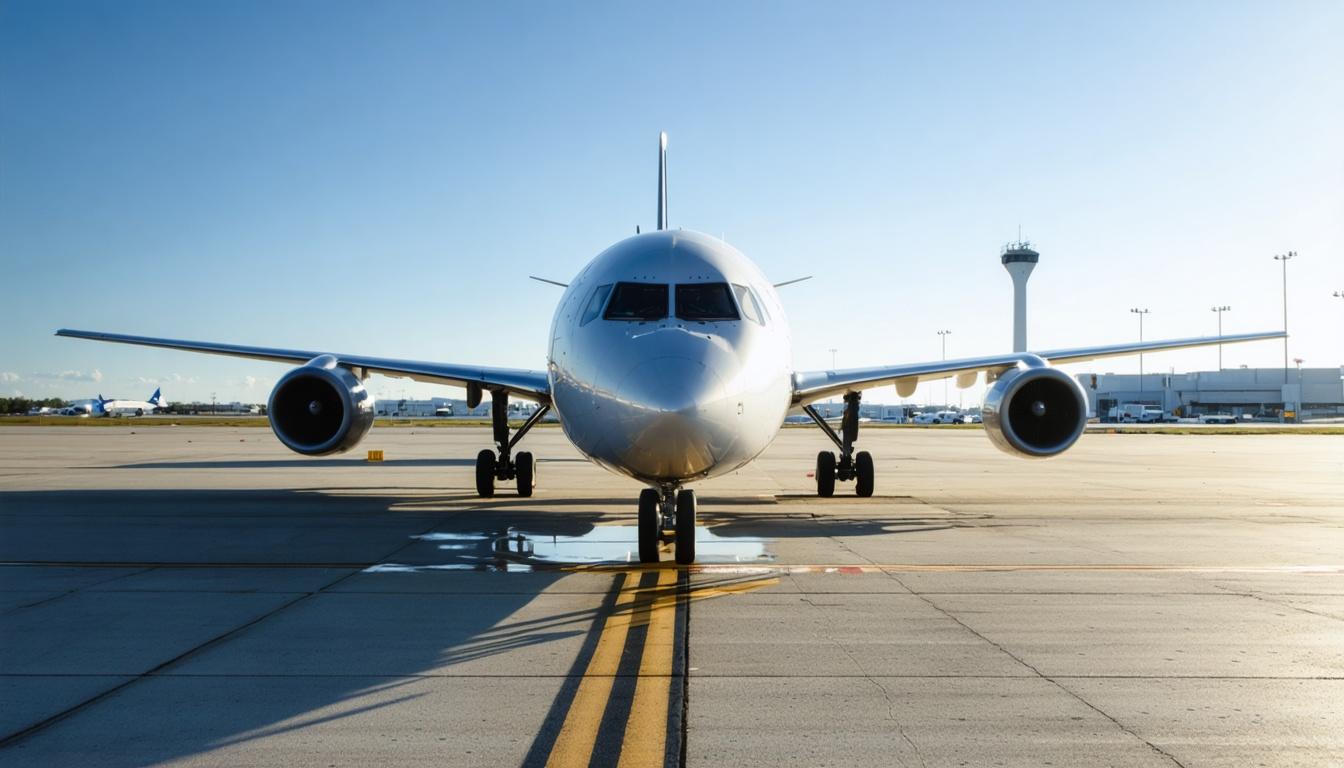
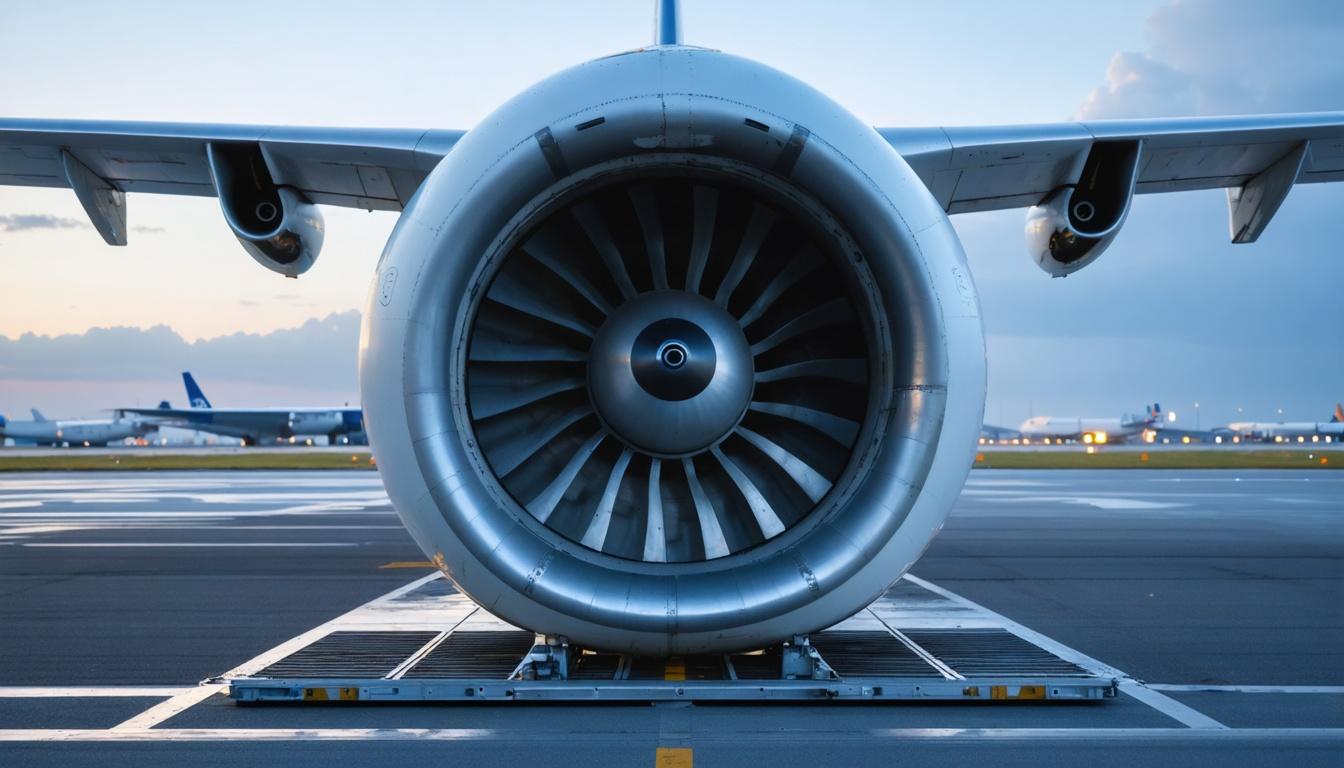
*this image is generated using AI for illustrative purposes only.

San Francisco-based employment law firm Blumenthal Nordrehaug Bhowmik De Blouw LLP filed a class action complaint against United Airlines, Inc. The suit alleges widespread violations of the California Labor Code concerning employee compensation.

The case, numbered CGC-26-638760, is pending in the San Francisco County Superior Court. Filed on Sept. 17, 2026, the complaint asserts that United Airlines failed to provide legally mandated meal and rest periods, resulting in lost wages for affected staff.

Alleged Violations

The lawsuit outlines multiple specific breaches of labor regulations. According to the filing, United Airlines allegedly:

  • Failed to pay minimum wages
  • Failed to pay overtime wages
  • Failed to provide accurate itemized wage statements
  • Failed to reimburse required expenses
  • Failed to pay sick wages

These claims cite violations of California Labor Code Sections 201-203, 226, 226.7, 233, 246, 510, 512, 1194, 1197, 1197.1, and 2802, alongside applicable Wage Orders. The plaintiffs argue these actions give rise to civil penalties.

Rest Period Disputes

A central element of the complaint involves rest break entitlements. The suit alleges employees were frequently required to work more than four hours without receiving the statutory ten-minute rest period.

California Wage Orders mandate off-duty rest periods where employees are relieved from all work duties and free from employer control. The California Supreme Court has defined this standard strictly, requiring complete relief from employer control during these intervals.

Legal Representation

Blumenthal Nordrehaug Bhowmik De Blouw LLP represents the plaintiffs. The firm maintains offices in San Diego, San Francisco, Sacramento, Los Angeles, Riverside, and Chicago. It specializes in employment law claims involving the California Labor Code and the Fair Labor Standards Act.

Disclaimer: This article is AI-generated using data from ViewTrade. ScanX is not liable for any inaccuracies.

How might a potential settlement or adverse ruling in this case impact United Airlines' operational costs and future labor budgeting?

Will this lawsuit trigger increased regulatory scrutiny or audits of United Airlines' compliance with California labor laws by state authorities?

Could this class action serve as a precedent for similar employment law suits against other major carriers operating in California?

like20
dislike

United, American Airlines signal capacity cuts over high fuel costs

scanx
Reviewed by
Jubin VScanX News Team
Key Highlights
  • United and American Airlines signal capacity cuts due to high fuel costs from Iran war
  • United CFO says some marginal routes don't make sense in higher fuel environment
  • American CEO notes crack spread has grown by 3x, adding to cost pressures
  • American expects Q3 revenue growth of 16% to 19% year over year
  • United may adjust schedule into Q1 and 2027 if fuel costs remain elevated
powered bylight_fuzz_icon
51118989

*this image is generated using AI for illustrative purposes only.

United Airlines and American Airlines signal potential capacity cuts as elevated fuel costs driven by the war in Iran pressure margins. Both carriers are adjusting schedules to prioritize profitability over market share.

United Airlines Chief Financial Officer Michael Leskinen described fourth-quarter bookings as "tremendously strong" during a presentation at the Morgan Stanley conference. However, he noted that some marginal routes do not make sense in a higher fuel environment. The airline has already cut some routes scheduled for December and may make further adjustments into the first quarter and beyond into 2027 if fuel costs remain elevated.

Operational Strategy

Leskinen emphasized a philosophy of driving profitability rather than maintaining market share. He stated that every airline has a bell curve of profitability and that United adjusts its schedule when the world changes. Some routes were pushed to the lower end of profitability as fuel costs spiked, prompting preemptive cuts. Management did not specify the exact number of flights or routes under review for the upcoming quarters.

American Airlines Perspective

American Airlines CFO Devon May also pointed to capacity adjustments for late in the fourth quarter given fuel conditions. CEO Robert Isom highlighted the crack spread, which is the profit margin refineries earn for refining crude oil into fuel. Isom noted that the crack spread has grown by 3x, complicating the cost structure beyond just crude oil prices.

According to an International Air Transport Association report on September 11, the average jet fuel crack spread was at $67.80/bbl, lower than the previous week’s $74.17/bbl. Isom outlined that fuel costs had climbed by $1 billion for the fourth quarter. He also pointed to American Airlines’ third-quarter revenue growth, expected to be around 16% to 19% year over year, describing it as durable.

Market Context

Fuel remains a significant variable cost for global carriers. The remarks from both airlines highlight the ongoing pressure to balance robust demand with rising operational inputs. While United focuses on cutting unprofitable routes, American Airlines points to refinery margins as a key cost driver alongside crude prices.

Disclaimer: This article is AI-generated using data from ViewTrade. ScanX is not liable for any inaccuracies.

How might the shift from market share to profitability focus by United and American Airlines impact competitive dynamics and pricing strategies in the domestic market through 2027?

What are the potential long-term implications for smaller regional carriers if major legacy airlines continue to prune marginal routes due to elevated fuel costs?

Could the widening refinery crack spreads lead to sustained higher jet fuel prices, and how might airlines hedge against this specific component of fuel cost volatility?

like18
dislike

More News on United Airlines