

Volatus Aerospace Q2FY26 Results: Revenue up 49.5% QoQ to $8.4 million


- Revenue rose 49.5% QoQ to $8.4 million but fell 20% YoY due to delayed contracts
- Gross margin dipped to 29.3% from 35% in Q1, driven by delivery mix and fuel costs
- Adjusted EBITDA loss widened to $4.35 million from $0.3 million a year ago
- Cash position stands at $59.2 million with $64 million in working capital
- Mirabel facility operational with 53,000 sq ft of manufacturing capacity

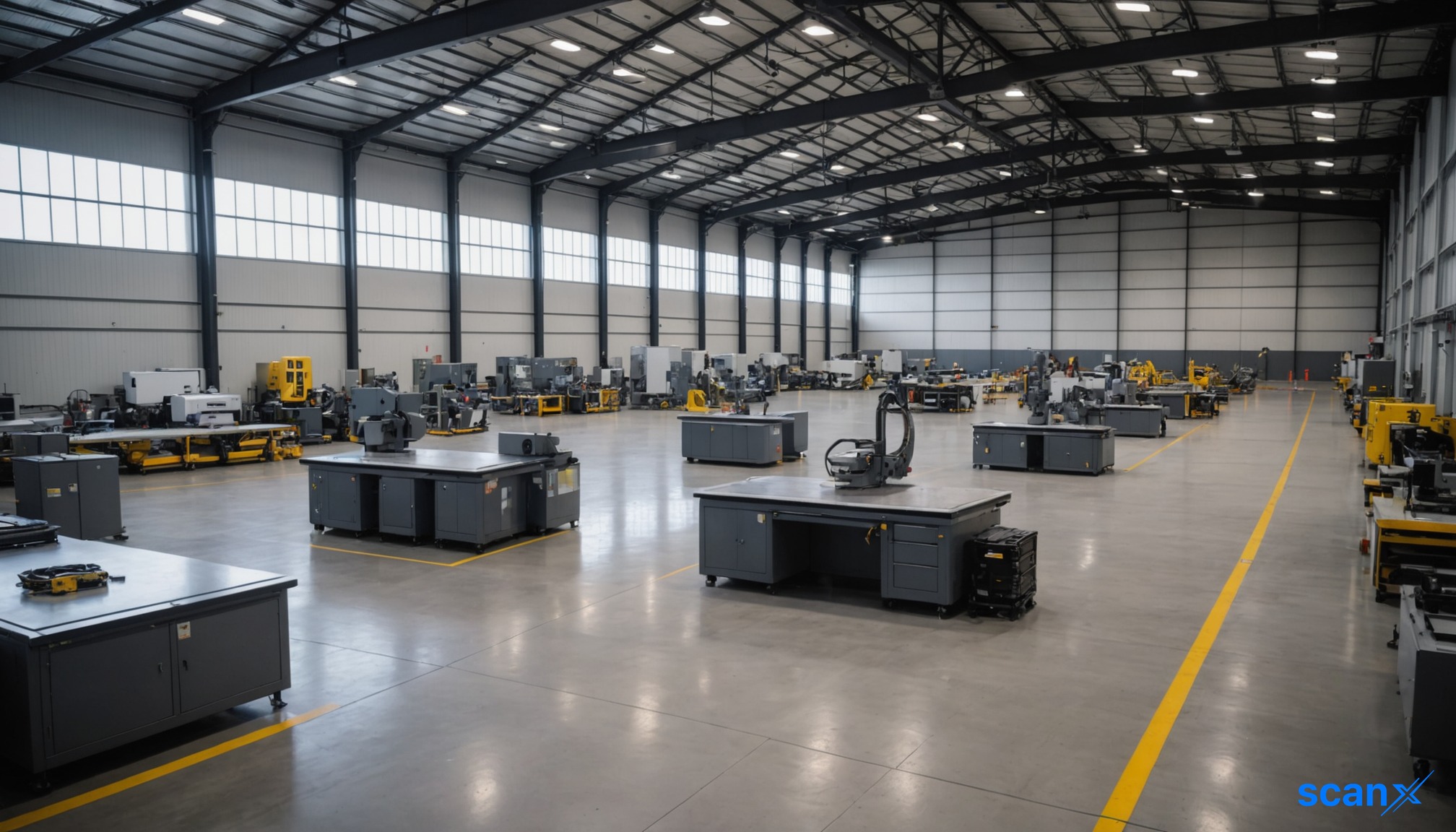

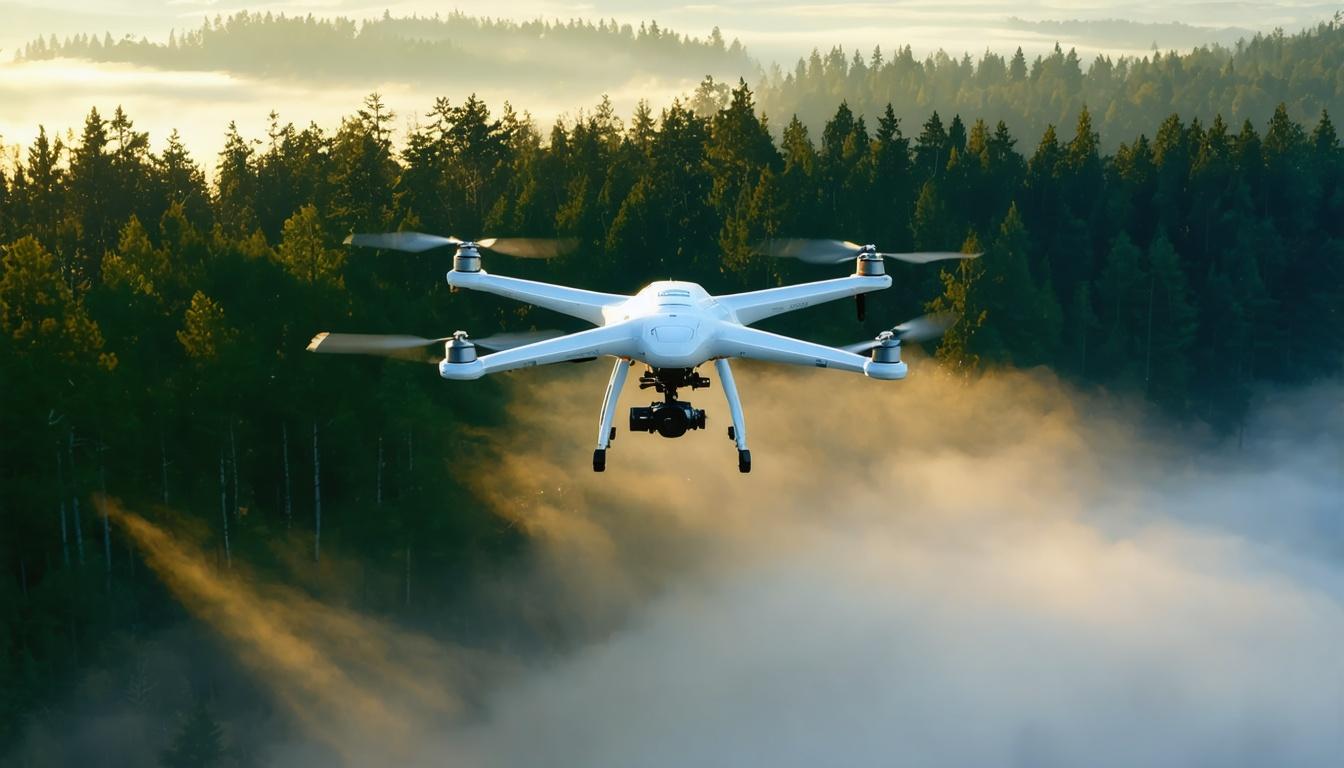
*this image is generated using AI for illustrative purposes only.
Volatus Aerospace (TSX: FLT) reported Q2FY26 revenue of $8.4 million, a 49.5% sequential increase from Q1. The result missed internal expectations due to a $2.6 million delay in defense contract deliveries caused by supply chain constraints.
Financial Performance
Revenue declined 20% year-on-year compared to Q2 of the prior fiscal year. The primary drag was the deferred defense revenue, which management confirmed remains signed business scheduled for delivery in the second half of the year. The revenue mix consisted of 57% services and training, and 43% product and equipment sales.
| Metric | Q2FY26 | Q1FY26 | Q2FY25 |
|---|---|---|---|
| Revenue | $8.4 million | $5.6 million | N/A |
| Gross Margin | 29.3% | 35.0% | 32.0% |
| H1 Gross Margin | 31.6% | N/A | 31.9% |
Gross margin contracted to 29.3% from 35% in Q1, driven by project delivery mix and rising fuel prices. Management noted that first-half gross margin remained stable at 31.6%, compared to 31.9% in the same period last year. The long-term target margin range is 35-40%.
Adjusted EBITDA loss widened to $4.35 million from approximately $0.3 million a year ago. This increase reflects deliberate capacity building in engineering, defense talent, and proprietary technology platforms ahead of expected revenue scaling.
What the Numbers Show
The divergence between the quarterly gross margin decline (260 bps) and the stable first-half margin performance (30 bps variance) indicates that the Q2 result was heavily influenced by specific delivery timing rather than structural cost deterioration. Furthermore, with services contributing 57% of revenue, the company is maintaining its targeted mix of 55-60% for higher-margin recurring income, even as it scales lower-margin product initiatives.
Balance Sheet and Strategic Outlook
The company ended June with $59.2 million in cash and approximately $64 million in working capital. Total assets stood at nearly $119 million, with shareholders' equity of approximately $87 million. This financial position supports inventory requirements for multi-year government programs.
Strategic developments include the opening of the Mirabel facility, which offers 53,000 square feet of manufacturing capacity. CEO Glen Lynch highlighted progress in the Defense Drone Initiative, with supplier submissions completed and a qualified list expected in early September. The company also advanced to phase two of the U.S. SOCOM modular kinetic lethal drone program.
Management emphasized that the second half of the year will focus on converting infrastructure investments into revenue through utilization and operating leverage. The previously stated planning target of $56 million for FY26 included M&A assumptions that have not yet materialized; however, organic growth is expected to accelerate in H2.

How will the expected resolution of supply chain constraints in H2 impact Volatus Aerospace's ability to recover the deferred $2.6 million in defense revenue and meet its organic growth targets?
What specific operational levers does management plan to pull to reverse the Q2 gross margin contraction of 260 basis points and return to the long-term target range of 35-40%?
Given that the $56 million FY26 planning target included unmaterialized M&A assumptions, what is the revised organic revenue guidance for the full year, and how significant is the gap between current trajectory and the original target?
 16
16








 Create Custom Screeners
  Access 200+ Pre-built Filters
  Use 50+ Readymade Screener





