

Volt-Age, Concordia, and Volatus Aerospace partner on UAS energy tech


Concordia University's Volt-Age program and Volatus Aerospace have signed an MOU to collaborate on energy technologies for uncrewed aircraft systems. The partnership aims to accelerate the development and commercialization of Canadian drone technologies through applied research and talent development. It focuses on strengthening Canada's technological sovereignty and reducing reliance on foreign entities.



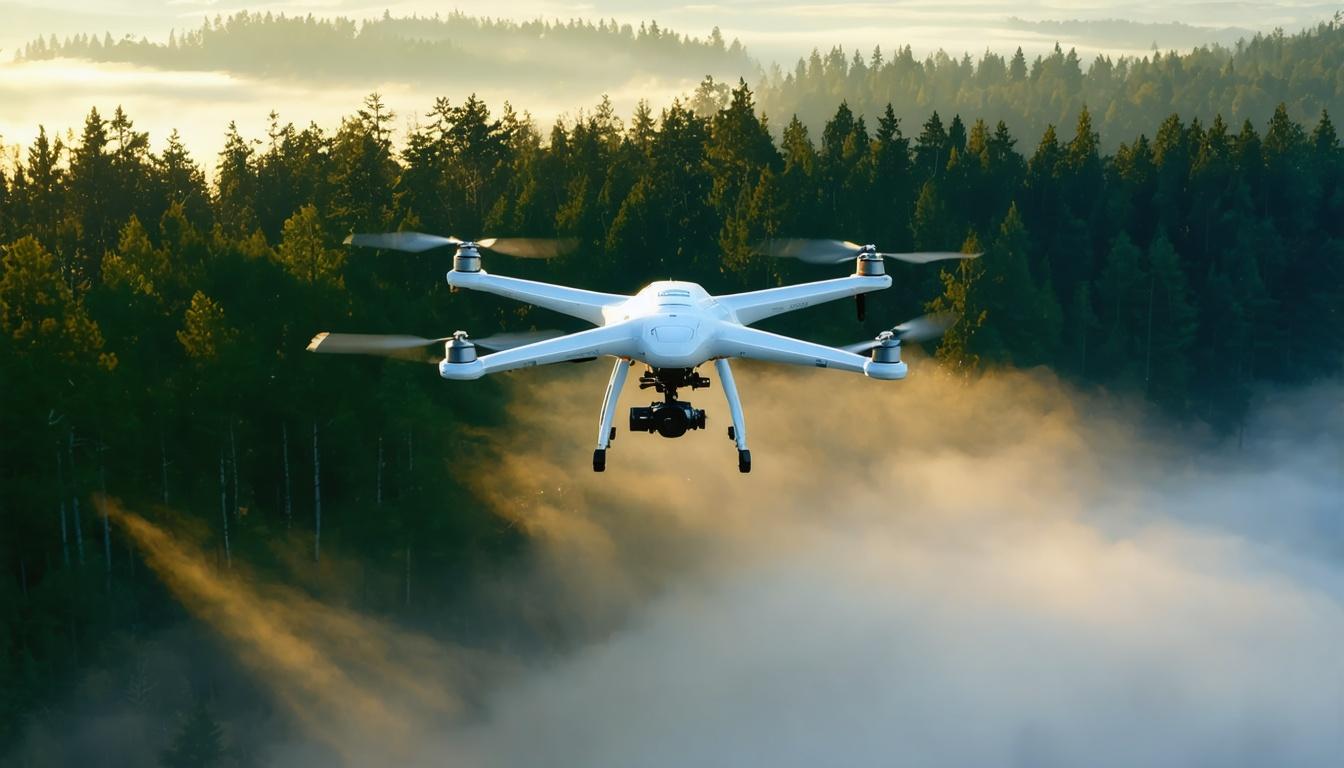
*this image is generated using AI for illustrative purposes only.
Concordia University, through its Volt-Age research program, and Volatus Aerospace have signed a memorandum of understanding (MOU) to establish a strategic framework for collaboration on energy technologies for uncrewed aircraft systems (UAS). The agreement, announced on July 21, 2026, aims to combine academic research, operational testing, and industry expertise to accelerate the development, validation, and commercialization of Canadian technologies for civil, commercial, and strategic drone platforms. The partners will explore opportunities for applied research, technology demonstration, talent development, and jointly funded strategic initiatives.
The collaboration seeks to strengthen Canada's technological sovereignty in the UAS sector, which is increasingly vital for critical infrastructure, public safety, environmental monitoring, Arctic operations, and dual-use applications. By supporting the development of a more resilient Canadian supply chain for strategic drone components, the partners aim to advance domestic innovation while reducing reliance on foreign entities of concern. The MOU establishes a framework for identifying and pursuing collaborative research, validation, and technology demonstration projects involving researchers, students, industry partners, and public-sector organizations.
Glen Lynch, Chief Executive Officer of Volatus Aerospace, emphasized the significance of connecting Volt-Age’s research capabilities with Volatus’ operational, testing, and manufacturing infrastructure. He stated that this collaboration will help move promising energy technologies from the laboratory into real-world aircraft and operational environments, supporting the broader objective of building sovereign, Canadian-developed capabilities for commercial, public safety, and strategic applications.
Dr. Tim Evans, Vice-President, Research and Innovation at Concordia University, highlighted that Volt-Age was created to accelerate the development of technologies powering Canada's energy transition. He noted that the collaboration with Volatus reflects the approach of bringing together researchers, industry, and institutional partners to transform scientific excellence into innovations addressing Canada's strategic needs. The goal is to create an environment where next-generation energy technologies for unmanned aircraft systems can be developed, tested, and commercialized.
Specific projects and implementation activities under the MOU will be governed by separate agreements as opportunities arise. The partnership underscores a shared commitment to advancing the UAS sector through integrated efforts in research, development, and commercialization.

What specific energy technologies are prioritized for initial development under this MOU?
How will the partnership measure success in reducing reliance on foreign drone components?
What funding mechanisms will support the jointly funded strategic initiatives?
 17
17








 Access Market Heat-map & Insights
  Create, Save & Share your Screener
  Use 200+ Screening Filters





