

Vardhman Textiles fixes Aug 28 record date for FY26 dividend


- Vardhman Textiles fixed August 28, 2026, as the record date for its FY26 dividend
- The payout is subject to shareholder approval at the upcoming Annual General Meeting
- Book closure period runs from August 29 to September 5, 2026
- Physical shareholders must update KYC details with Alankit Assignments Limited


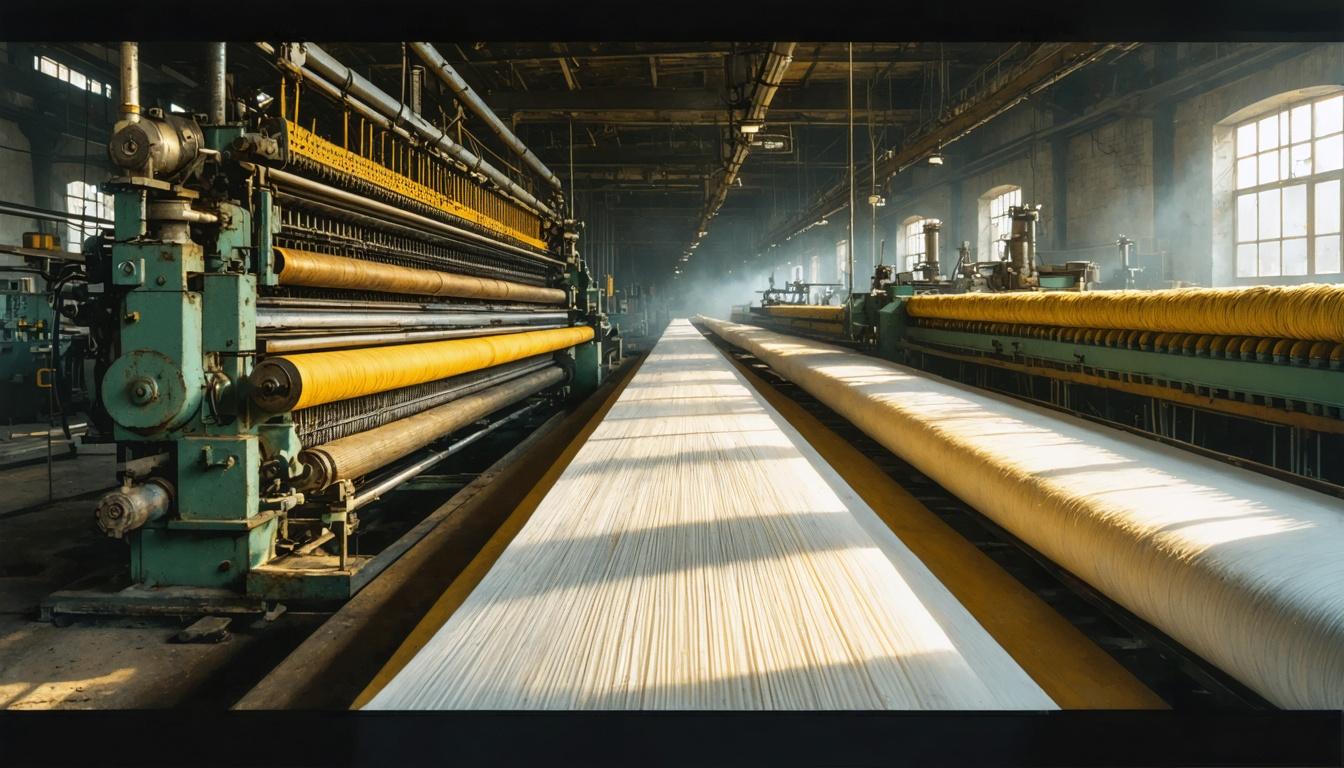
*this image is generated using AI for illustrative purposes only.
Vardhman Textiles has fixed Friday, August 28, 2026, as the record date for shareholders eligible to receive the dividend for the financial year ended March 31, 2026. The payout is contingent upon approval at the forthcoming Annual General Meeting (AGM).
The company issued the intimation on August 20, 2026, pursuant to Regulation 42 of the SEBI (Listing Obligations and Disclosure Requirements) Regulations, 2015. Sanjay Gupta, Company Secretary, confirmed the details in a filing to the exchanges.
Corporate Action Details
The key dates for the corporate action are as follows:
| Event | Date |
|---|---|
| Record Date | August 28, 2026 |
| Book Closure Start | August 29, 2026 |
| Book Closure End | September 5, 2026 |
Pursuant to Section 91 of the Companies Act, 2013, the Register of Members and Share Transfer Books will remain closed from Saturday, August 29, 2026, to Saturday, September 5, 2026 (both days inclusive). This closure is necessary for the purpose of the AGM.
Shareholders holding equity shares on the record date will be eligible for the dividend, provided it is approved by the shareholders at the meeting. The company did not disclose the dividend amount per share in this communication.
Dividend Payment and Compliance
If declared, the dividend will be paid electronically within a week of the AGM’s conclusion. As mandated by SEBI, dividend payments to members holding shares in physical form will be made electronically only after they have furnished their PAN, choice of nomination, contact details, mobile number, complete bank details, and specimen signatures for their corresponding physical folios.
Members holding shares in dematerialized mode are requested to register or update their complete bank account details with their Depository Participant. Members holding shares in physical mode should update their details with M/s. Alankit Assignments Limited.
In accordance with the Income Tax Act, 2025, dividend declared and paid by the company is taxable in the hands of shareholders. The company is required to deduct tax at source (TDS) from dividend payments at applicable rates.
Historical Stock Returns for Vardhman Textiles
| 1 Day | 5 Days | 1 Month | 6 Months | 1 Year | 5 Years |
|---|---|---|---|---|---|
| -1.00% | -5.74% | -10.71% | +1.06% | +28.19% | +42.86% |

What dividend per share amount is the board likely to propose at the AGM given Vardhman Textiles' FY2026 financial performance?
How might the upcoming book closure period impact trading volume and liquidity for Vardhman Textiles shares in late August 2026?
Will the proposed dividend payout ratio signal management's confidence in future cash flows or indicate a shift in capital allocation strategy?
 16
16








 Access 50+ Readymade Screeners
  Use 200+ Custom Filters
  Get Full Market Insights





