

Bodal Chemicals shareholders adopt FY26 financials, reappoint director


- Shareholders adopted audited standalone and consolidated financial statements for FY26
- Ankit S. Patel reappointed as Executive Director after retiring by rotation
- Cost auditor remuneration of ₹1,80,000 plus GST ratified for FY27
- All three ordinary resolutions passed with over 99.99% votes in favour

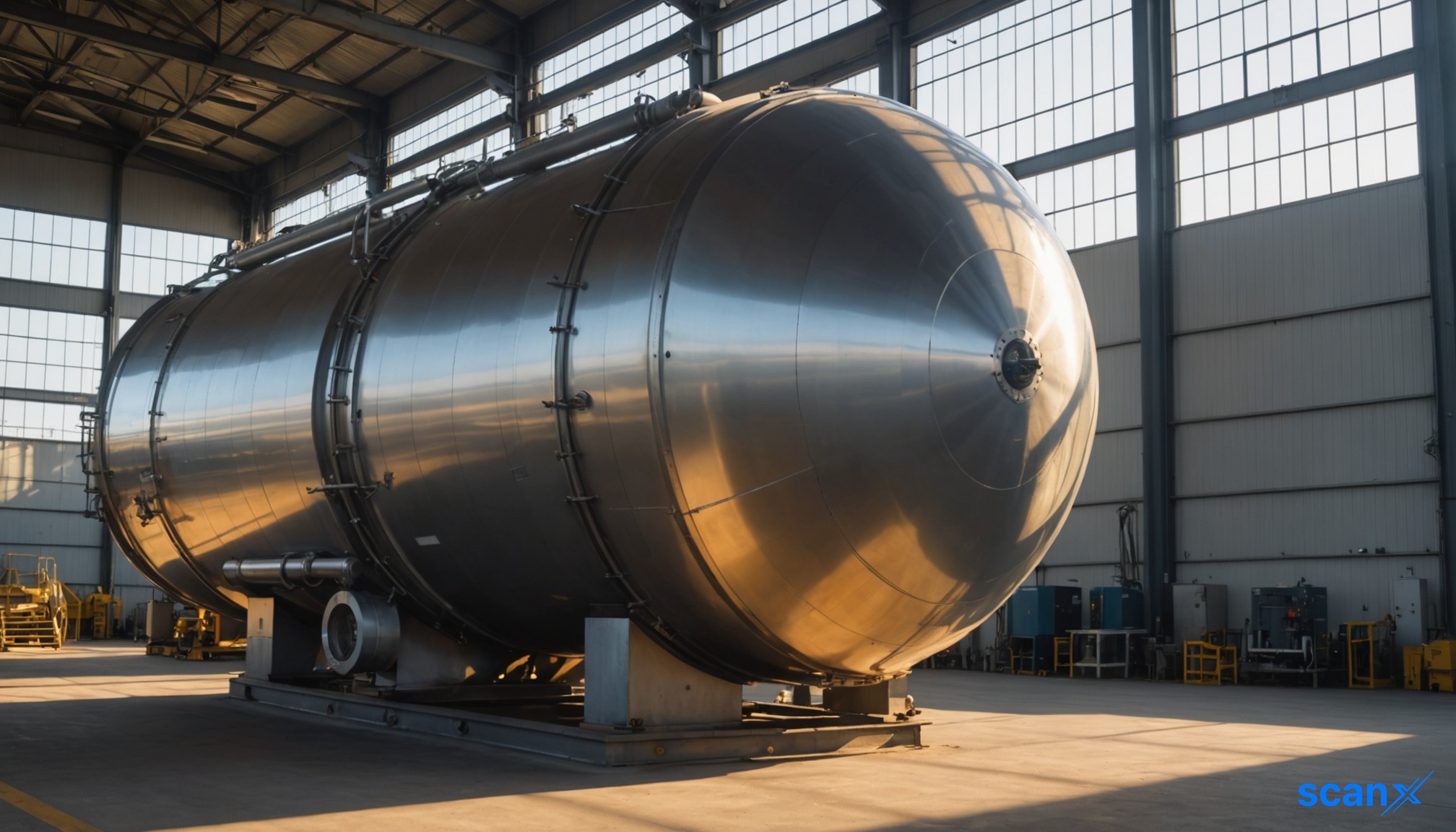

*this image is generated using AI for illustrative purposes only.
Bodal Chemicals Ltd shareholders approved the audited standalone and consolidated financial statements for the financial year ended March 31, 2026, during the company's 40th Annual General Meeting held on September 25, 2026.
The meeting, conducted via video conferencing, saw the unanimous adoption of all proposed resolutions. Shareholders also ratified the remuneration for cost auditors and approved the reappointment of Ankit S. Patel as an Executive Director, who retired by rotation but remained eligible for reappointment.
Strategic Shift to Benzene Derivatives
In his address, Chairman and Managing Director Suresh J. Patel highlighted the commissioning of a greenfield manufacturing facility at Saykha, Gujarat, as a pivotal development for FY26. This facility marks the company's entry into the benzene derivatives segment, producing MCB, PNCB, ONCB, MNCB, and DCB. The move is designed to access pharmaceuticals, agrochemicals, pigments, and polymer markets.
The Saykha unit features German technology and India's first Continuous Crystallisation system for PNCB, sourced from Switzerland. Patel described this not merely as capital investment but as a forward-looking declaration of long-term vision. Concurrently, the company permanently decommissioned units at Vatva to exit facilities that no longer met operational efficiency or environmental standards, absorbing production into upgraded facilities at Vadodara and Kosi.
Performance Amid Volatility
The Chairman noted that while the global chemical industry faced volatility and shifting trade dynamics, Bodal Chemicals delivered steady progress. The Dye Intermediates division reported strong volume and revenue momentum, supported by in-house intermediates and a robust SOP-based quality model. The Chlor-Alkali business remained stable on a year-on-year basis, with demand gaining traction from water treatment and hygiene segments. Export volumes experienced healthy growth, driven by improved performance from subsidiaries in Southeast Asia.
Voting Results
All three ordinary resolutions passed with overwhelming majority. The voting data indicates minimal dissent across all agenda items.
| Item | Resolution Type | Votes In Favour | Votes Against | % In Favour |
|---|---|---|---|---|
| 1 | Adoption of Financial Statements | 60,855,557 | 1,486 | 100.00% |
| 2 | Reappointment of Director | 60,855,497 | 1,546 | 100.00% |
| 3 | Ratification of Cost Auditor Remuneration | 60,845,848 | 1,486 | 100.00% |
What the Numbers Show
The voting pattern reveals a highly aligned shareholder base, with dissenting votes constituting less than 0.003% of the total votes cast across all resolutions. This near-unanimous support suggests strong confidence in the management's strategic pivot toward high-value derivatives and operational consolidation, despite the transitional challenges noted in the Chairman's speech regarding global supply chain shifts.
Historical Stock Returns for Bodal Chemicals
| 1 Day | 5 Days | 1 Month | 6 Months | 1 Year | 5 Years |
|---|---|---|---|---|---|
| -4.34% | -4.90% | +91.51% | +270.61% | +207.39% | +60.19% |

How will the ramp-up of the Saykha facility's benzene derivatives production impact Bodal Chemicals' gross margin profile in the coming fiscal quarters?
What specific regulatory or environmental compliance milestones must the new Saykha unit achieve to sustain its operational license in Gujarat?
To what extent will the shift toward high-value benzene derivatives alter the company's revenue mix compared to its traditional dye intermediates segment by FY27?
 20
20










 Access Market Heat-map & Insights
  Create, Save & Share your Screener
  Use 200+ Screening Filters





