

Goldman says Tesla Cybercab could beat Waymo cost by 30 cents a mile


- Goldman Sachs estimates Tesla Cybercab could have a 5- to 30-cent-per-mile cost advantage over rivals
- Targeted Cybercab production cost is $20,000 to $30,000, versus $50,000 to $100,000 for competitors
- Waymo operates in 14 cities with over 4,000 vehicles, while Texas has 420 registered autonomous Teslas
- Polymarket traders give only a 17% chance of a sub-$30,000 retail Cybercab sale by year-end
- Goldman maintains a Neutral rating on Tesla with a $360 price target

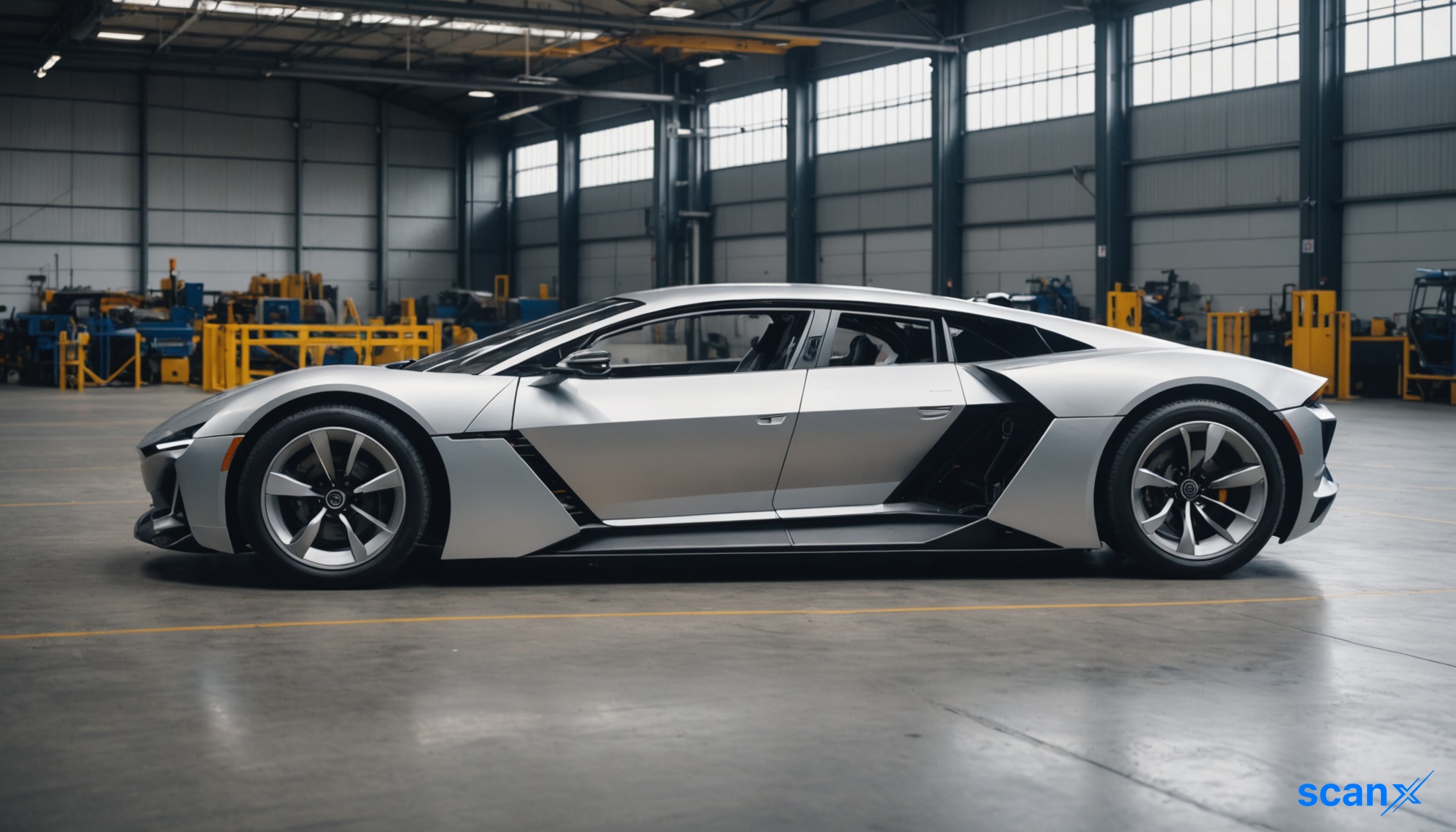

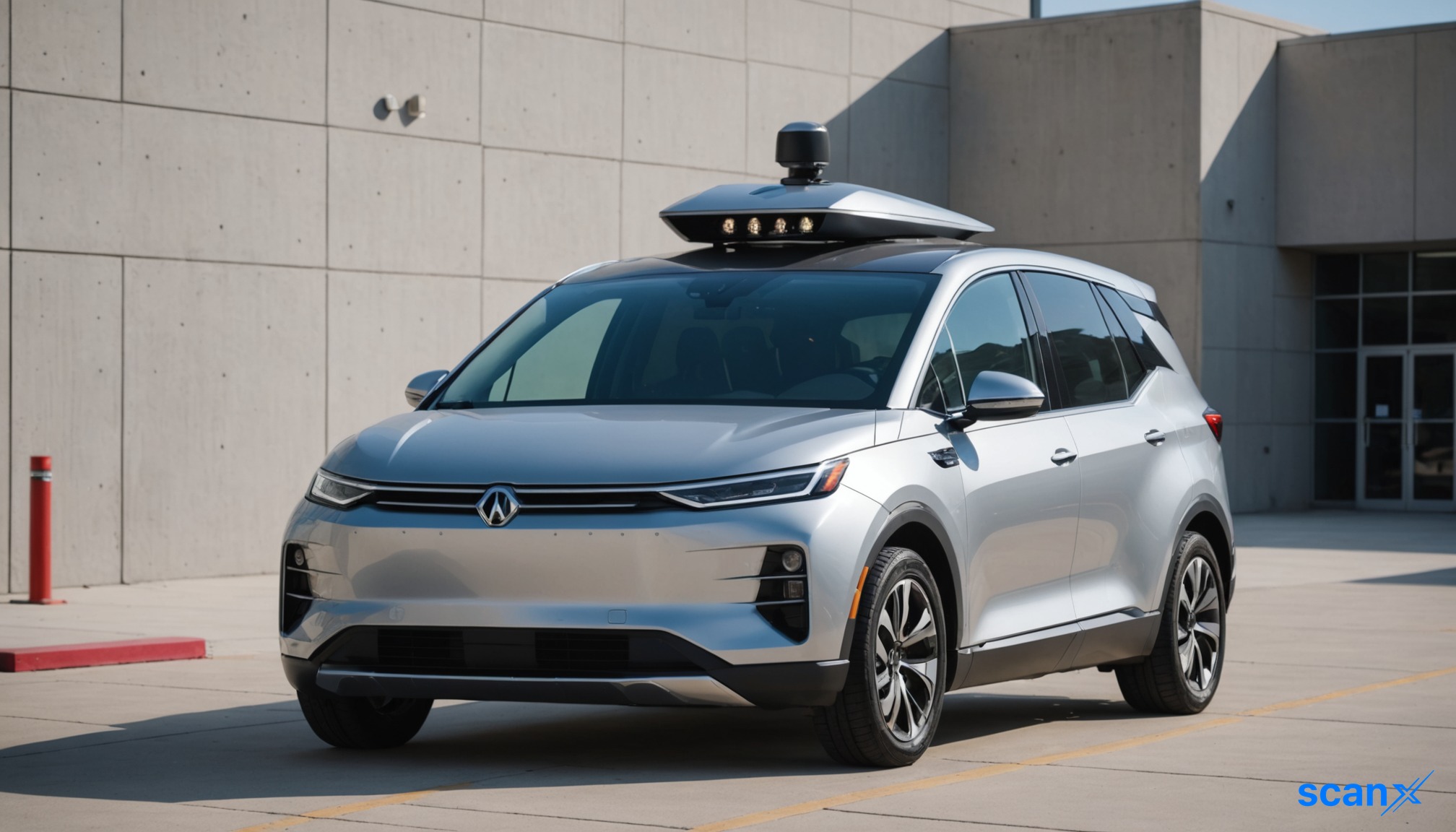
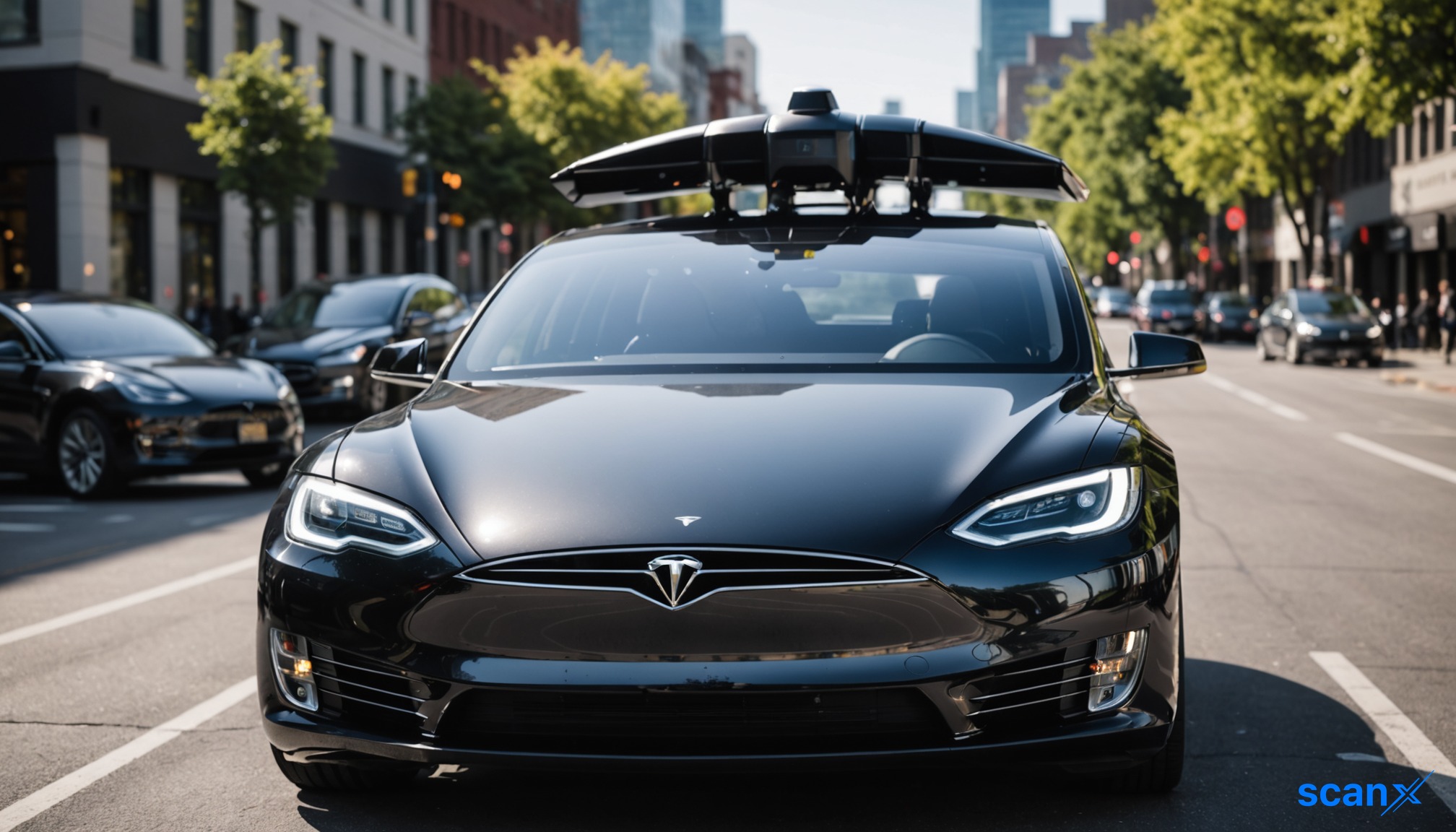
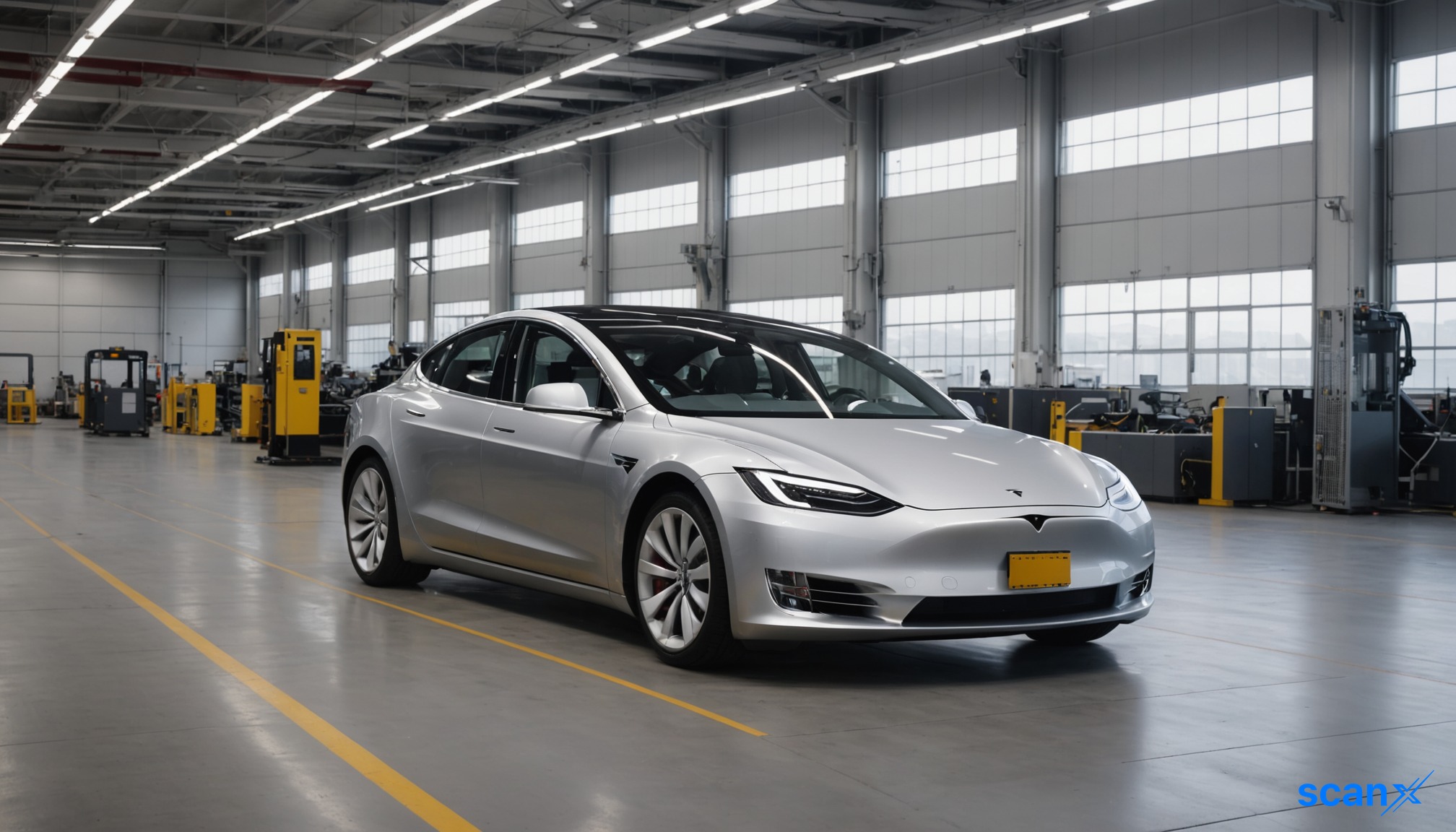
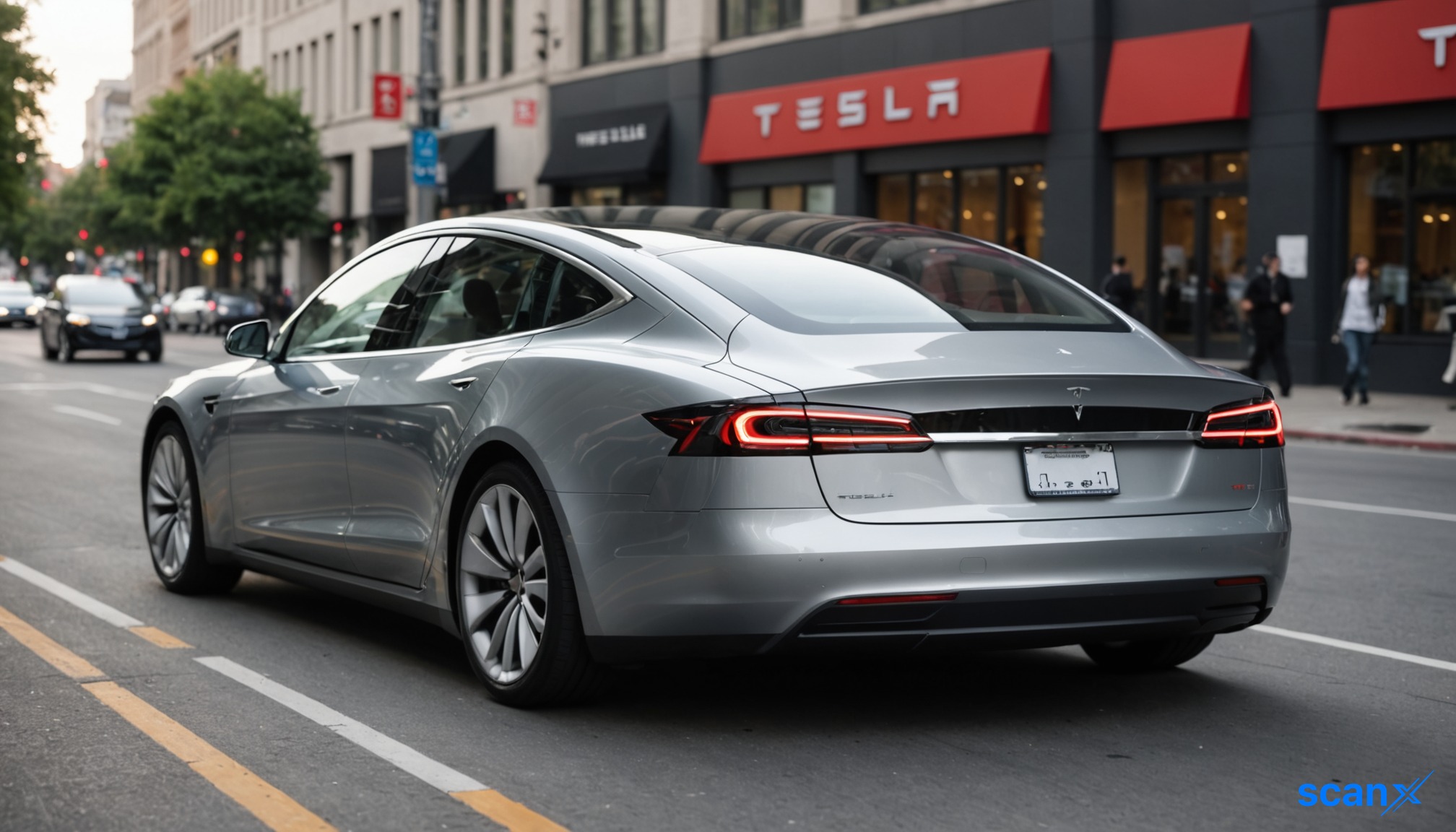
*this image is generated using AI for illustrative purposes only.
Goldman Sachs estimates that Tesla (NASDAQ: TSLA) could operate its Cybercab for up to 30 cents per mile less than rival autonomous vehicles, provided the company achieves its targeted production costs. The bank’s analysis suggests a significant potential cost advantage over competitors such as Alphabet Inc.’s (NASDAQ: GOOGL) Waymo.
Cost Structure and Manufacturing
Goldman analysts estimated that Tesla’s targeted vehicle cost of $20,000 to $30,000 at scale could yield a 5-cent to 30-cent-per-mile advantage. This compares to autonomous vehicles from rivals that carry upfront costs of roughly $50,000 to $100,000.
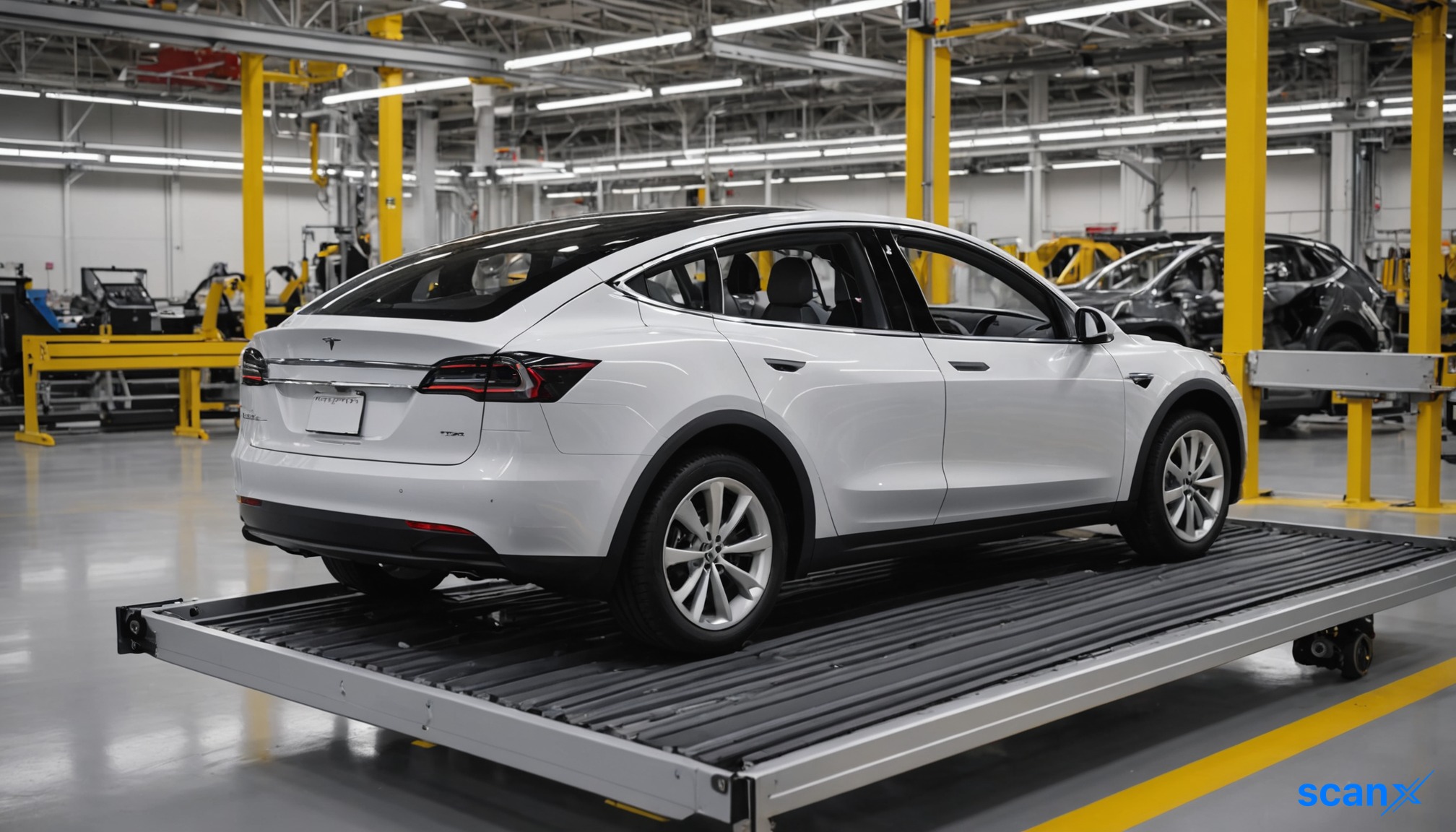
The bank cited Tesla’s low-cost vehicle design, its “unboxed” manufacturing approach, and a camera-only sensor system as key factors strengthening robotaxi economics. CEO Elon Musk has previously stated the vehicle could eventually operate for about 20 cents per mile and sell for less than $30,000.
| Metric | Tesla Cybercab (Target) | Rival Autonomous Vehicles |
|---|---|---|
| Upfront Cost | $20,000 to $30,000 | $50,000 to $100,000 |
| Operating Cost Advantage | 5 to 30 cents per mile | Baseline |
Operational Scale Challenges
Goldman noted that cheap hardware alone is insufficient, highlighting the need for Tesla to scale its self-driving software across a wider geographic area. A broader operating footprint would allow Tesla to generate more revenue while spreading vehicle costs across more miles.
Waymo currently holds a substantial head start in this area, offering fully autonomous rides in 14 cities with a fleet of more than 4,000 vehicles. In contrast, Texas records recently showed 420 autonomous Teslas registered in the state, including 45 Cybercabs. Uber is pursuing a different strategy by partnering with autonomous-driving companies rather than building its own vehicles.
Market Sentiment and Valuation
Prediction market traders remain skeptical of Musk’s pricing targets. Polymarket data shows traders assign only a 17% chance of Tesla selling a Cybercab to a retail customer for $30,000 or less by December 31. This contract has attracted more than $55,000 in volume.
It is important to distinguish between Goldman’s target, which concerns the vehicle’s cost at scale, and the prediction market’s focus on retail price. Despite the skepticism, Tesla shares closed Tuesday up 4%.
Goldman maintains a Neutral rating on Tesla with a price target of $360.
What the Numbers Show
The data reveals a divergence between theoretical unit economics and current operational reality. While Goldman’s model projects a 30-cent-per-mile cost advantage based on a $20,000–$30,000 production cost, this benefit is contingent on scale. Currently, Waymo’s fleet size (4,000+ vehicles) dwarfs Tesla’s registered autonomous units in Texas (420), suggesting that Tesla’s theoretical cost edge has not yet translated into comparable revenue-generating capacity or geographic coverage.

How might Tesla's reliance on a camera-only sensor system impact its ability to secure regulatory approvals in new geographic markets compared to Waymo's lidar-equipped vehicles?
What specific manufacturing milestones must Tesla achieve to transition from its current registered autonomous fleet size to the scale required for the projected $20,000–$30,000 production cost?
Could Uber's partnership strategy with autonomous driving firms accelerate market adoption in ways that threaten Tesla's vertically integrated robotaxi model?
 18
18




 Access 50+ Readymade Screeners
  Use 200+ Custom Filters
  Get Full Market Insights





