

Tesla launches Cybercab in Austin, faces Uber's asset-light model


- Tesla launches limited public Cybercab service in Austin using steering wheel-free vehicles
- Uber pursues asset-light strategy via partnerships with Waymo, Zoox, Apollo Go, and others
- Early data shows Cybercab fares higher than equivalent Uber rides on some routes
- Tesla bets on vertical integration; Uber bets on marketplace access to multiple providers

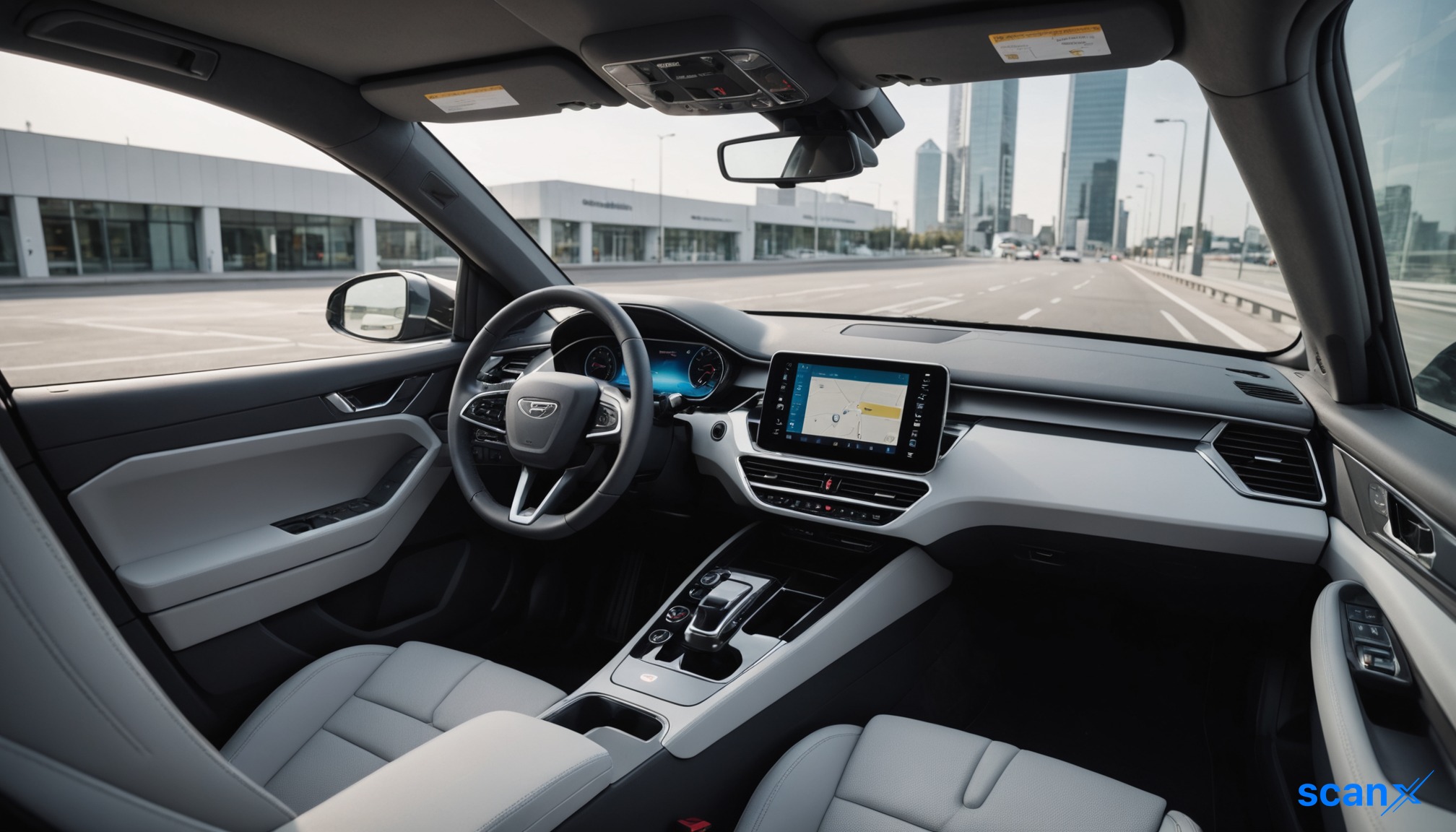

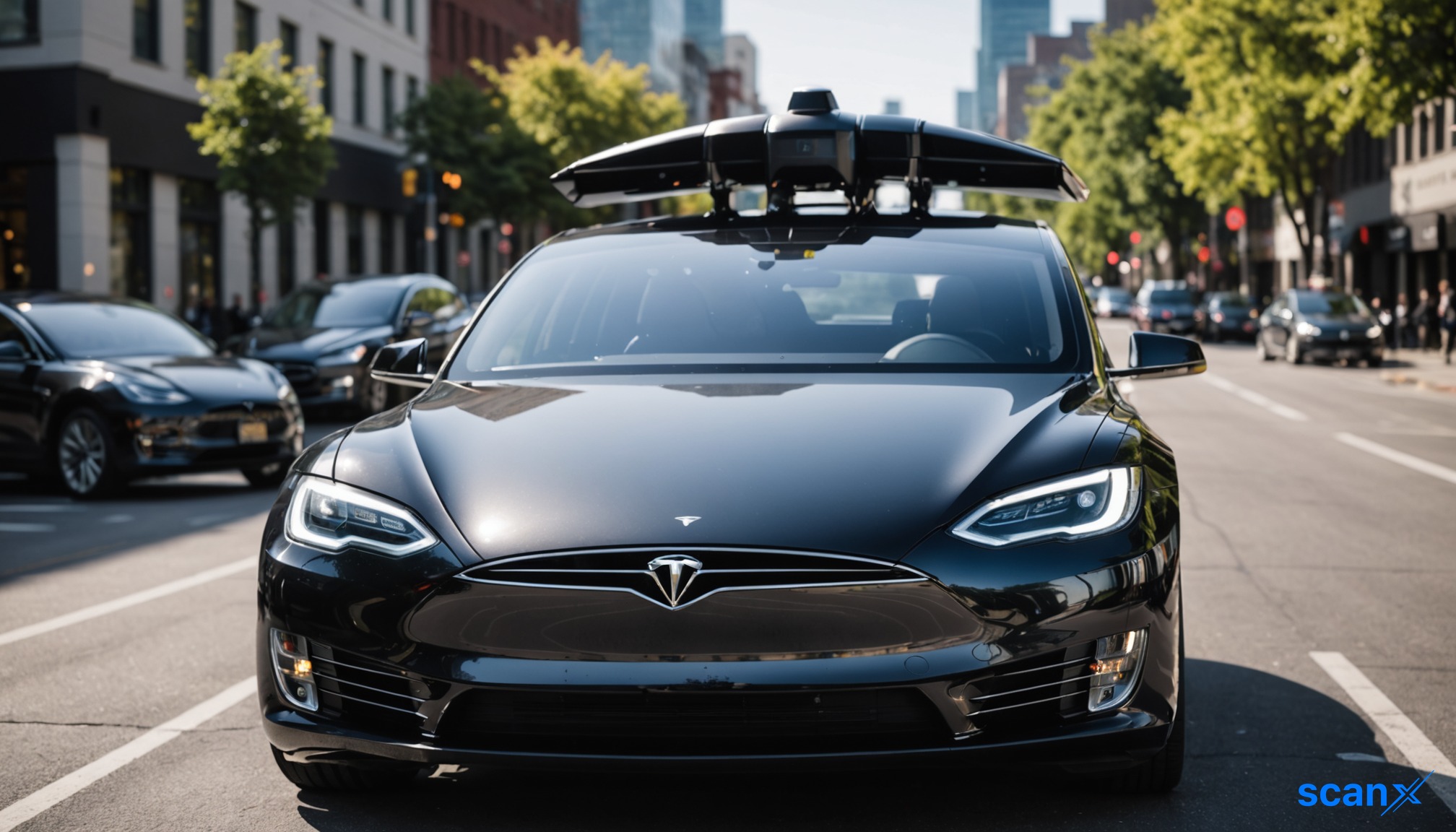
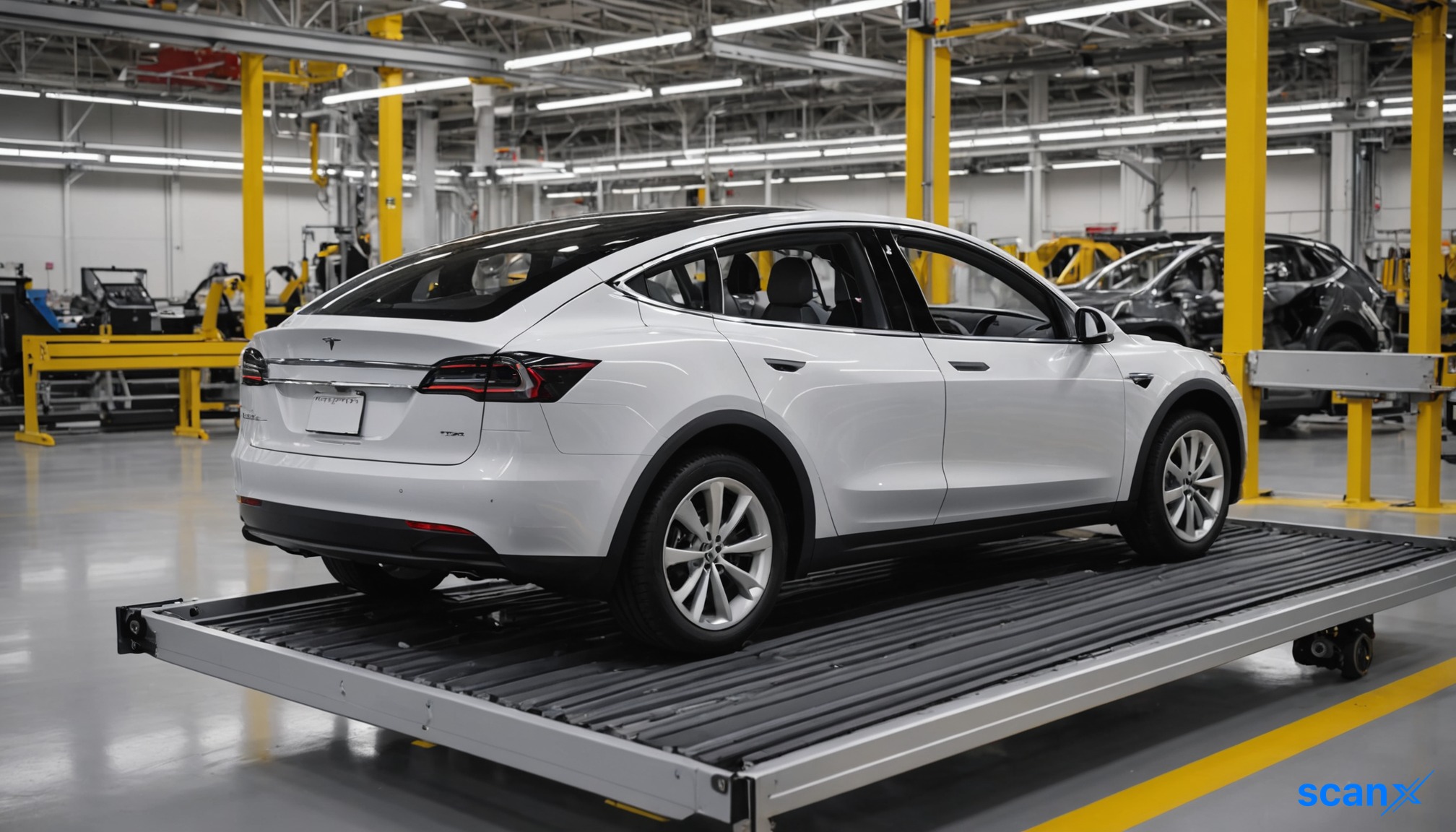
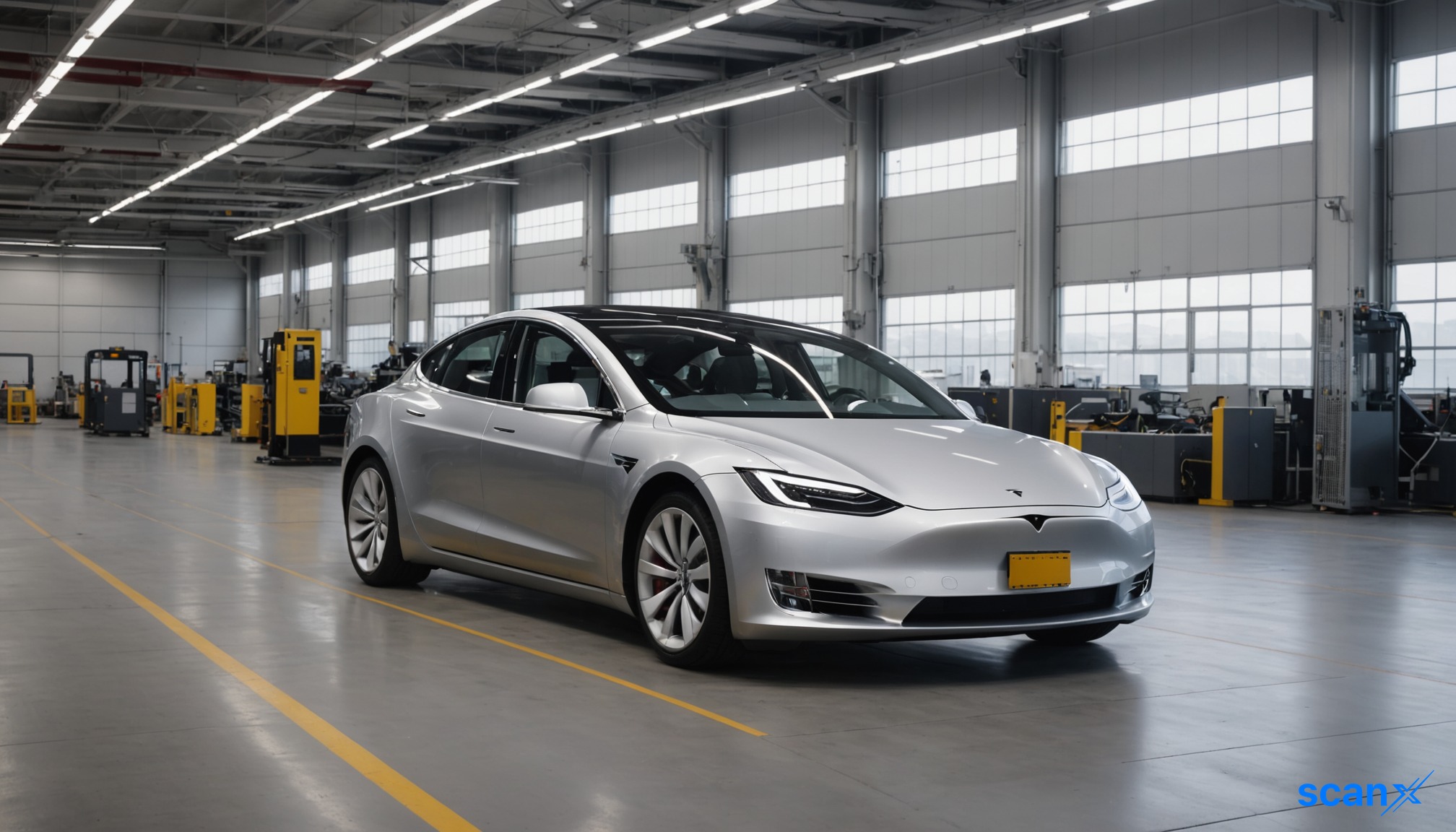
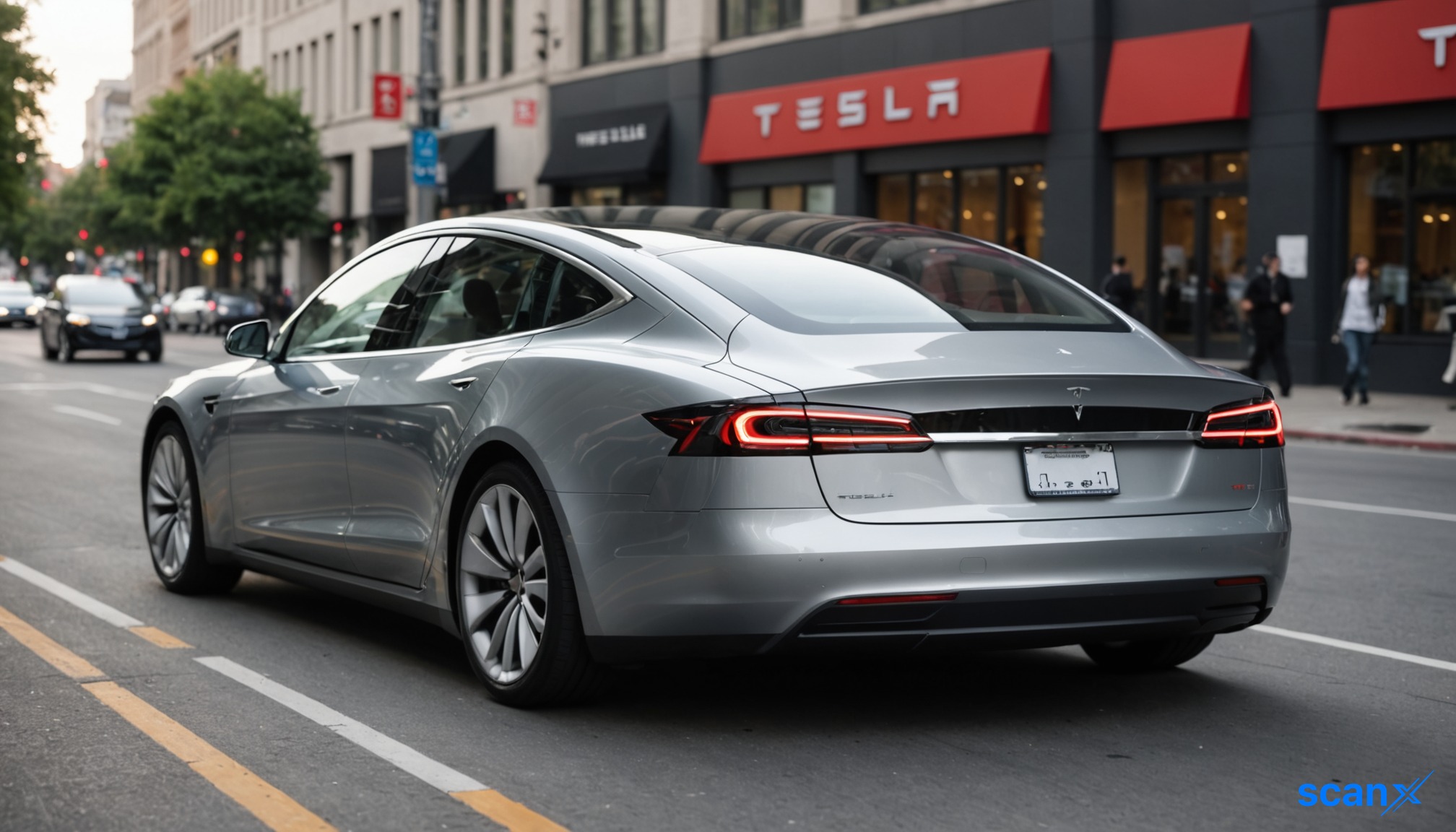
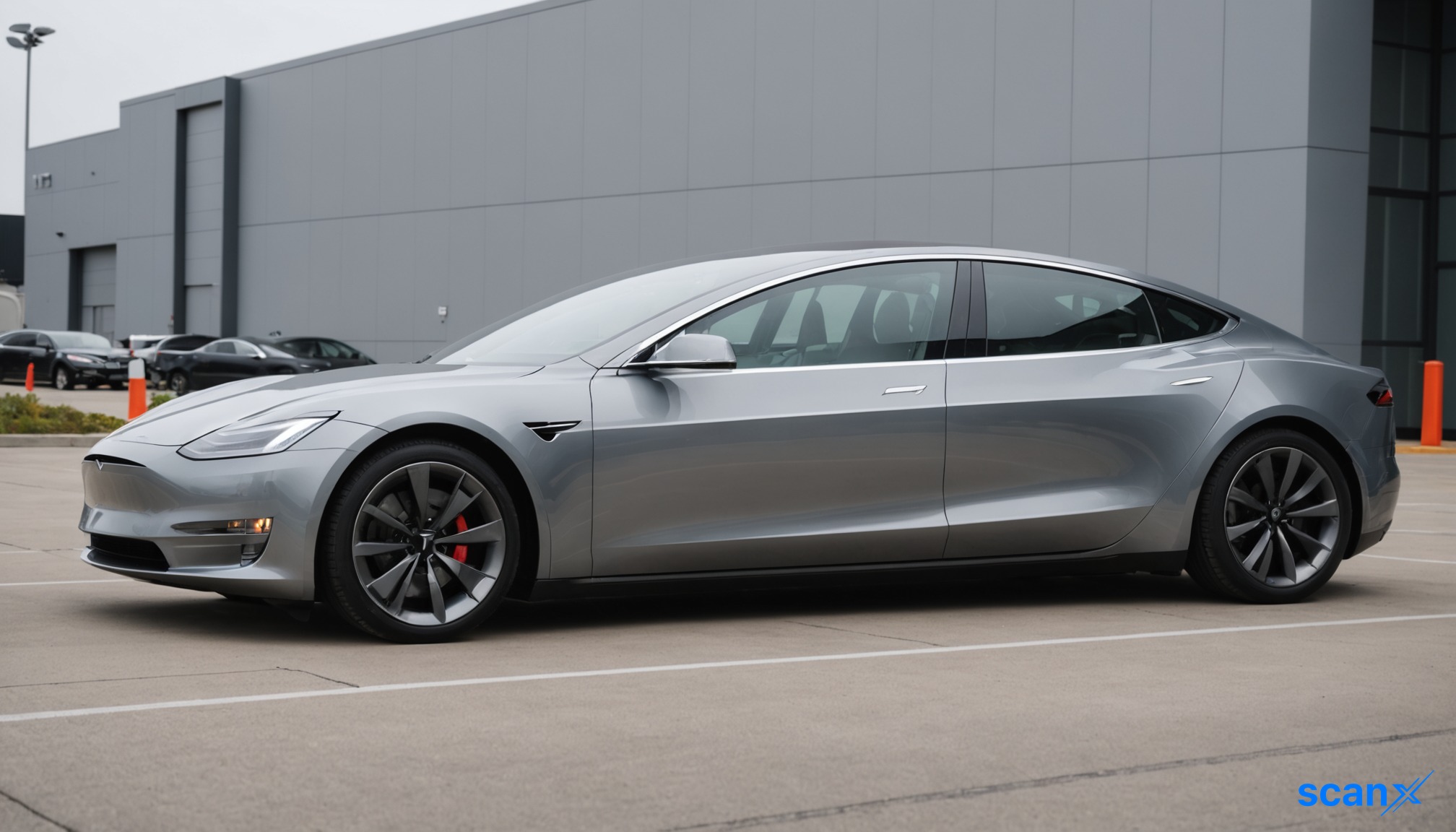
*this image is generated using AI for illustrative purposes only.
Tesla Inc (NASDAQ: TSLA) has moved its Cybercab from concept to commercial service with a limited public launch in Austin. The rollout marks the company's first attempt to operate a robotaxi fleet using purpose-built, steering wheel-free vehicles.
The launch positions Tesla against Uber Technologies Inc (NYSE: UBER), which is pursuing a different strategy by assembling an autonomous fleet through partnerships rather than building vehicles itself.
Tesla's Vertical Integration
Tesla's robotaxi ambitions center on owning the entire ecosystem. The company develops the vehicle, the autonomous driving software, and the ride-hailing platform. This vertical integration allows Tesla to capture more of the economics if the model scales successfully.
CEO Elon Musk has argued that autonomy could eventually reduce ride costs to a fraction of today's prices by eliminating human drivers. The long-term thesis depends on achieving enough scale for lower operating costs to outweigh substantial upfront investment in vehicles and AI.
Uber's Marketplace Approach
Uber is positioning itself as a marketplace for robotaxis. The company has announced partnerships with multiple autonomous driving developers, giving riders access to different fleets through its app. Partners include:
- Alphabet Inc (NASDAQ: GOOGL, GOOG) Google's Waymo
- Wayve
- Amazon.com Inc (NASDAQ: AMZN) Zoox
- Baidu Inc (NASDAQ: BIDU) Apollo Go
- Nebius Group N.V. (NASDAQ: NBIS) Avride
This approach allows Uber to benefit from advances in self-driving technology without bearing the cost and execution risk of developing its own vehicles.
What the Numbers Show
Early rider comparisons shared online indicate that Cybercab fares on some routes in Austin cost more than equivalent Uber rides. Pricing remains highly dynamic and reflects Tesla's limited fleet size during the initial rollout. These snapshots offer only a point-in-time comparison, not a definitive measure of long-term economics.
Investment Implications
The robotaxi race may ultimately depend on who controls the customer relationship. Tesla bets that owning the vehicle, software, and platform will create a durable competitive advantage as autonomous driving matures. Uber bets that riders will value a single marketplace offering access to multiple robotaxi providers, regardless of vehicle manufacturer.
For investors, the key metric will be whether Tesla can scale Cybercab production quickly enough to lower costs, or whether Uber's asset-light platform model proves more resilient in capitalizing on the autonomous transportation market.

How might Tesla's initial higher pricing in Austin impact consumer adoption rates compared to established ride-hailing options?
What are the potential regulatory hurdles Tesla faces in expanding its steering-wheel-free Cybercab fleet to other major metropolitan areas?
Could Uber's asset-light partnership model provide greater resilience against technological failures or safety incidents involving specific autonomous vehicle manufacturers?
 19
19




 Access Market Heat-map & Insights
  Create, Save & Share your Screener
  Use 200+ Screening Filters





