

Tesla denies China FSD shutdown, hikes Cybertruck prices


- Tesla denies FSD shutdown rumors in China, confirms hiring ramp-up
- Nearly 3 million vehicles recalled in China over emergency door release issues
- Cybertruck prices raised by up to $5,000 in the US amid slow sales
- Musk teases new high-capacity vehicle described as cooler than a minivan
- SpaceX plans $100 billion Starbase spaceport in Louisiana with 3,000 jobs

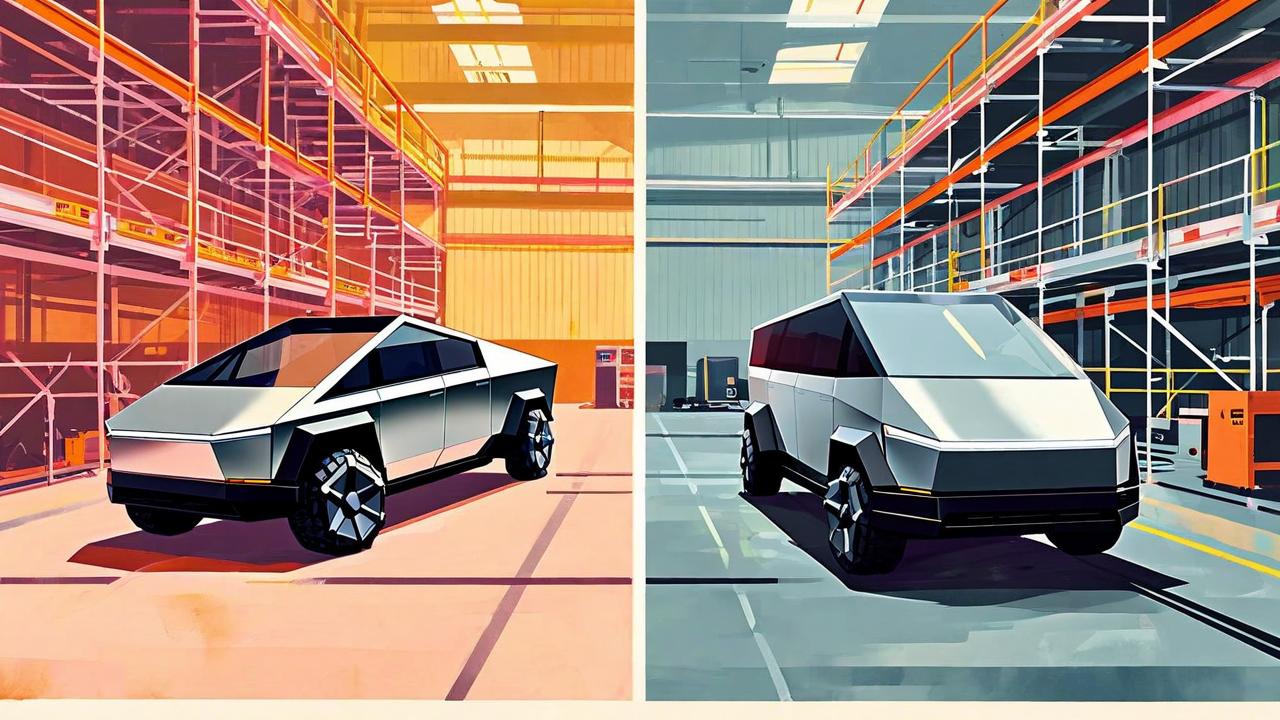

*this image is generated using AI for illustrative purposes only.
Tesla Inc. (NASDAQ: TSLA) denied reports that it is winding down its Full Self-Driving (FSD) operations in China, stating the claims were false. The electric vehicle maker confirmed it is not shutting down its Shanghai data center and is instead increasing hiring for self-driving roles.
Operational Updates in China
Despite the denial of shutdown rumors, Tesla initiated its largest recall in the country, affecting nearly 3 million vehicles. The recall addresses issues with emergency door releases following at least 15 deaths reported in 12 crashes where occupants or rescuers could not open the doors of burning vehicles.
Product and Pricing Moves
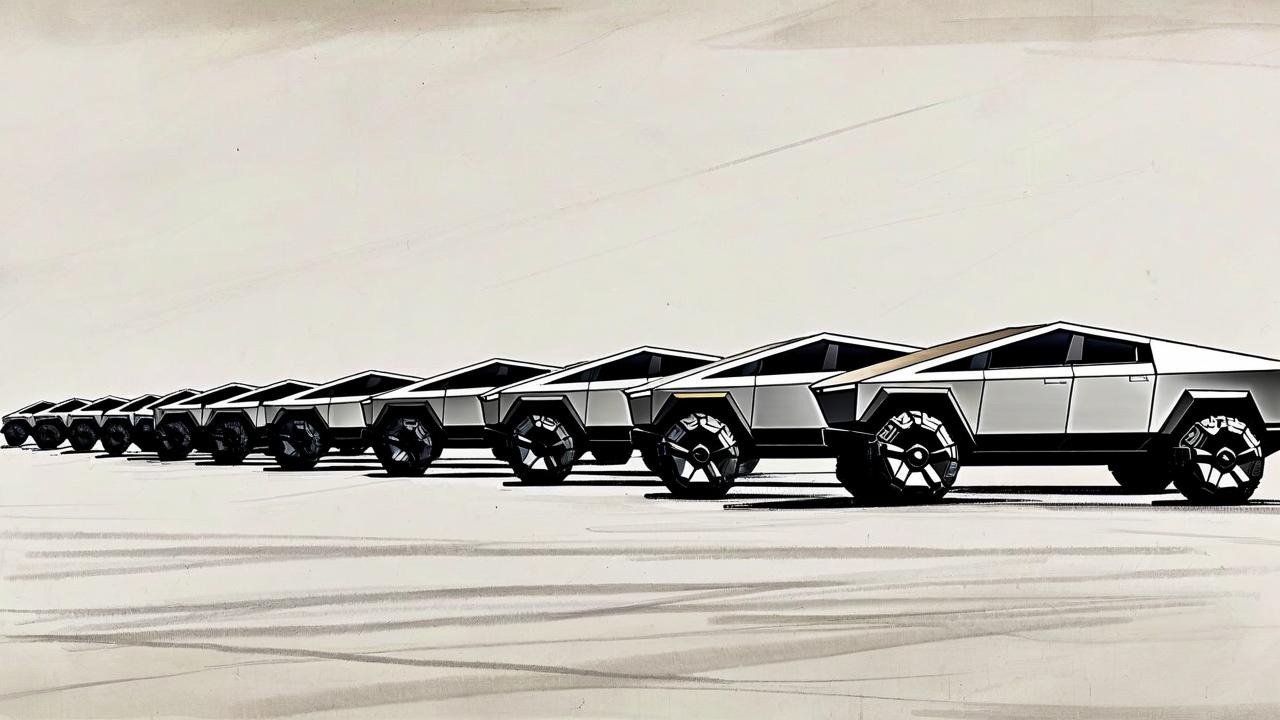
In the United States, Tesla raised prices for its Cybertruck all-electric pickup truck by up to $5,000 for some trim levels. This price increase comes despite sluggish sales figures for the model.
CEO Elon Musk also fueled speculation about a new family-oriented vehicle, describing it as "way cooler than a minivan." This follows previous unveilings of the Robovan concept.
Broader Expansion Plans
Musk discussed the potential for Tesla’s Optimus robots to become the first "Von Neumann" machine. Separately, Space Exploration Technologies Corp. (NASDAQ: SPCX) revealed plans for a new Starbase spaceport in Louisiana. The project is estimated to cost over $100 billion, aims to be self-sustaining, and is expected to create 3,000 jobs.

How might the mandatory recall of 3 million vehicles in China impact Tesla's brand reputation and future regulatory approval timelines for FSD in the region?
Will the $5,000 price hike on the Cybertruck further suppress demand, or does it signal a strategic shift toward margin protection over volume growth?
What specific features or design elements will define the new 'family-oriented' vehicle, and how will it compete with traditional minivans and SUVs in the US market?
 17
17








 Create Custom Screeners
  Access 200+ Pre-built Filters
  Use 50+ Readymade Screener





