

Gary Black says Wall Street sees Tesla autonomy as a commodity


- Gary Black argues Wall Street values Tesla based on realistic market share assumptions for autonomy
- Analysts view unsupervised autonomy as a commodity rather than a unique Tesla advantage
- Waymo leads with over 500,000 weekly autonomous rides, ahead of Tesla and Zoox
- Tesla Services and Other revenue grew 50.4% YoY to $4.58 billion in Q2
- Tesla stock fell 20.39% year-to-date despite a 5.89% gain over the past year

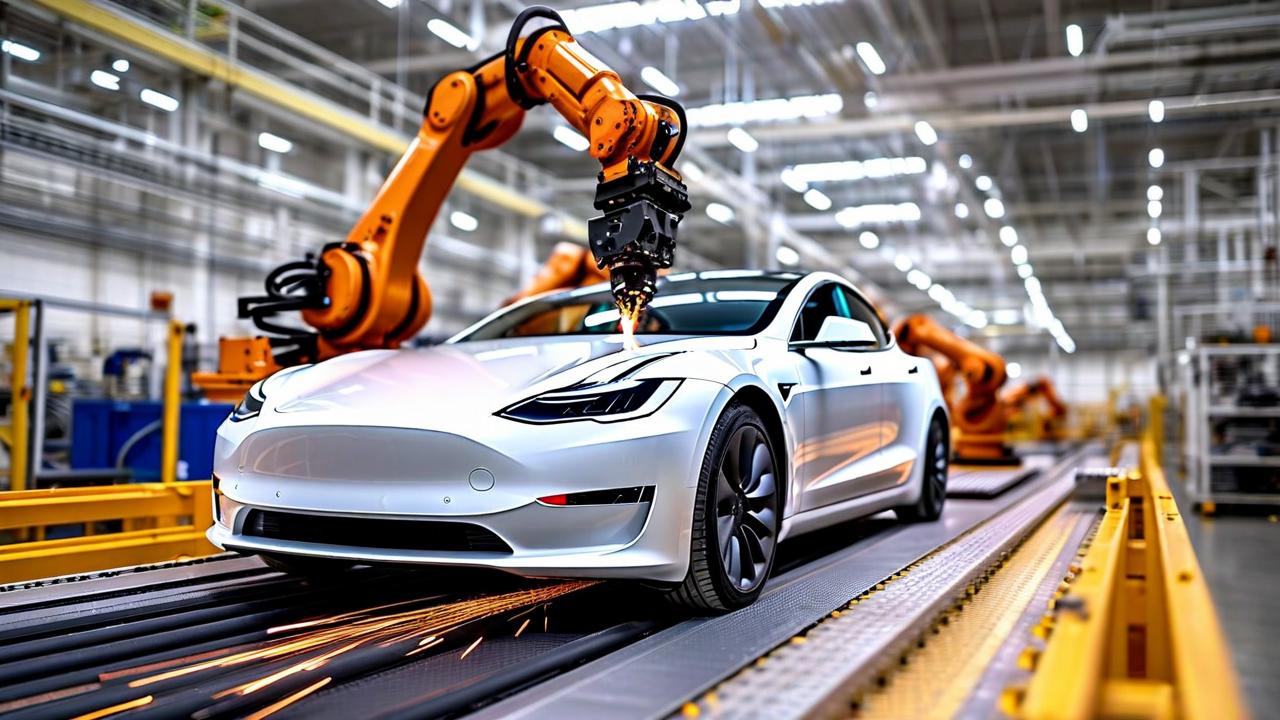

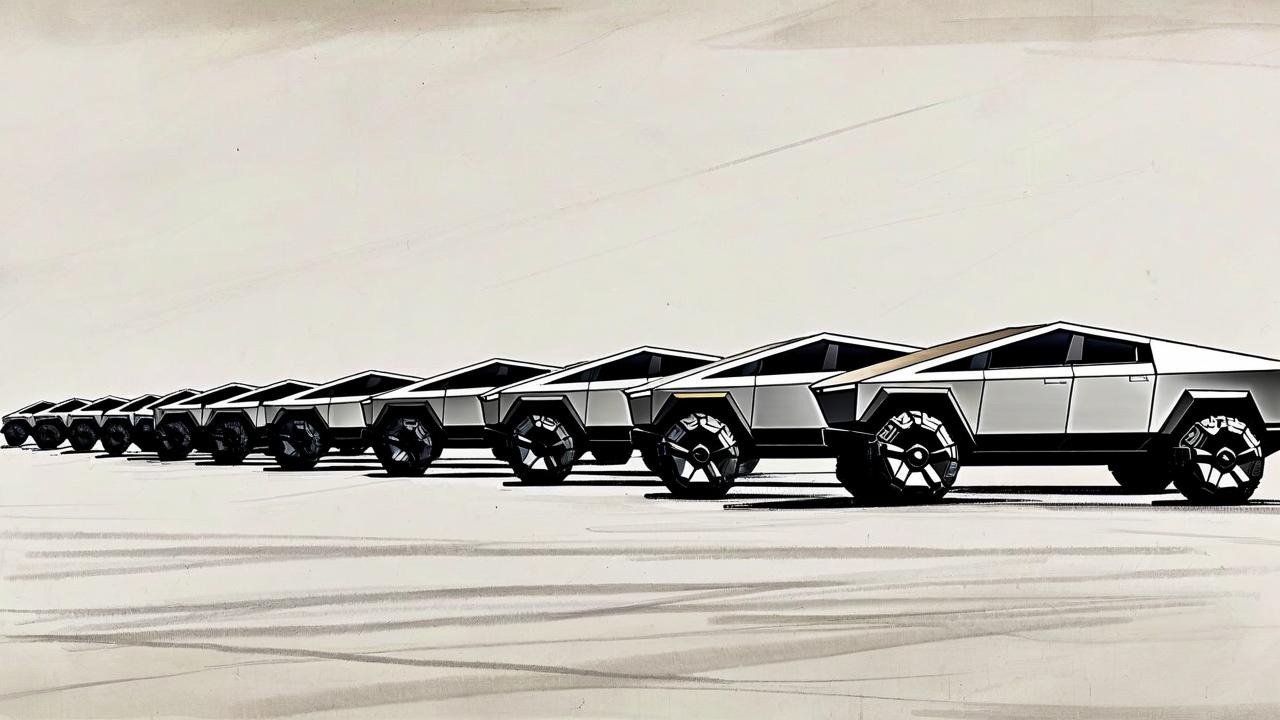
*this image is generated using AI for illustrative purposes only.
The Future Fund’s Gary Black argues that Wall Street skepticism toward Tesla Inc. (NASDAQ: TSLA) stems from market share assumptions rather than growth potential. Black contends that analysts view unsupervised autonomy as a technology that will quickly become a commodity.
Black responded to retail investor Jo Bhakdi on X, stating that Bhakdi had never worked as a Wall Street analyst. He noted that equity research relies on forward earnings and cash flow projections rather than trailing results or the timing of the first printed number.
The Analyst View on Autonomy
Black explained that Wall Street assumes Tesla will achieve unsupervised autonomy at roughly the same time as a handful of competitors. This assumption strips the technology of its status as an exclusive competitive edge for Tesla.
He compared this dynamic to a dispute five years ago regarding electric vehicle forecasts. At that time, some retail investors projected Tesla would sell 20 million EVs annually by 2030, implying a 20% global market share. Black described that assumption as preposterous then, just as he views current robotaxi valuations today.
Competitive Landscape
Alphabet Inc.’s (NASDAQ: GOOG, NASDAQ: GOOGL) Waymo currently leads the autonomous ride-hailing market with more than 500,000 fully autonomous rides per week. This volume is well ahead of Tesla and Amazon.com, Inc. (NASDAQ: AMZN)-backed Zoox.
Waymo recently unveiled its own custom-designed robotaxi chip to further scale operations. The chip offers more than 1,000 TOPS of AI processing power.
What the Numbers Show
Tesla does not separately disclose robotaxi revenue. However, its Services and Other segment grew 50.4% year-over-year in the second quarter to $4.58 billion. This segment includes vehicle servicing, Supercharging, and Full Self-Driving subscriptions.
The Services and Other segment outpaced every other part of the business in terms of growth rate during the period. Meanwhile, Tesla’s Texas robotaxi fleet has grown to 175 vehicles, with Miami added as a fifth market in July.
Market Performance
Tesla shares closed 1.71% lower on Friday at $348.75. The stock fell 0.18% in extended trading sessions.
For the year so far, Tesla shares have fallen 20.39%. Over the past year, the stock is up 5.89%. Benzinga edge rankings show Tesla’s Momentum score in the 13th percentile and its Growth score in the 41st percentile.

How might the release of Waymo's custom 1,000+ TOPS AI chip impact Tesla's timeline for achieving unsupervised autonomy and its associated valuation multiples?
Could Tesla's 50.4% YoY growth in the Services and Other segment serve as a reliable proxy for FSD subscription adoption rates ahead of dedicated robotaxi revenue disclosure?
If Wall Street continues to price autonomy as a commodity, what specific operational metrics must Tesla demonstrate to justify a premium valuation over competitors like Zoox?
 16
16











 Create Custom Screeners
  Access 200+ Pre-built Filters
  Use 50+ Readymade Screener





