

Suzlon Energy cuts Scope 1 emissions 24%, hits zero waste target in FY26


Suzlon Energy delivered strong ESG results in FY26, cutting Scope 1 emissions by 24.07% and achieving Zero Waste to Landfill status. The company reached group-level water neutrality and lowered its flagship turbine's carbon footprint to 6.17 gCO2e/kWh. CSR outreach expanded to over 23 lakh individuals across 1,268 villages.


*this image is generated using AI for illustrative purposes only.
Suzlon Energy reported significant progress in its environmental, social, and governance (ESG) metrics for FY26, highlighting a 24.07% reduction in Scope 1 emissions compared to FY25. The renewable energy solutions provider also recorded a 22.79% increase in renewable energy consumption, bringing its group-level renewable energy usage to 25.1% against a target of 100% by 2030.
Environmental Performance
The company achieved Zero Waste to Landfill (ZWTL) certification across all business units ahead of its 2028 timeline, maintaining a waste diversion rate of 97.5%. Suzlon also attained Single Use Plastic Free Certification for its manufacturing and operation and maintenance (OMS) segments.
Water stewardship initiatives resulted in the company achieving water neutrality at the group level, beating its 2030 target. Specific sites demonstrated higher efficiency, with the IB Projects site in Todkibad, Karnataka, achieving water positivity at a ratio of 1.91 times, and the Puducherry manufacturing plant reaching 5.26 times water positivity. Water withdrawal in water-stressed areas declined by 10.42%.
Product Carbon Footprint
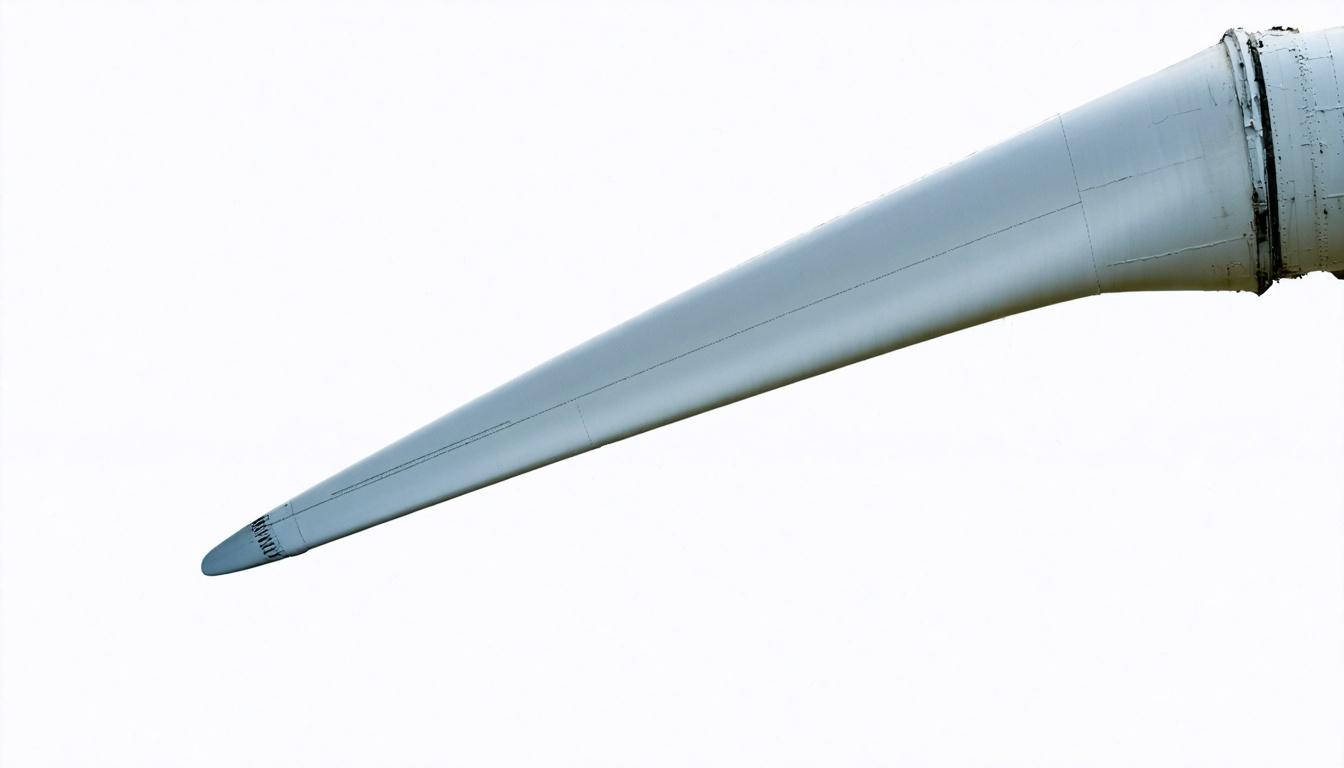
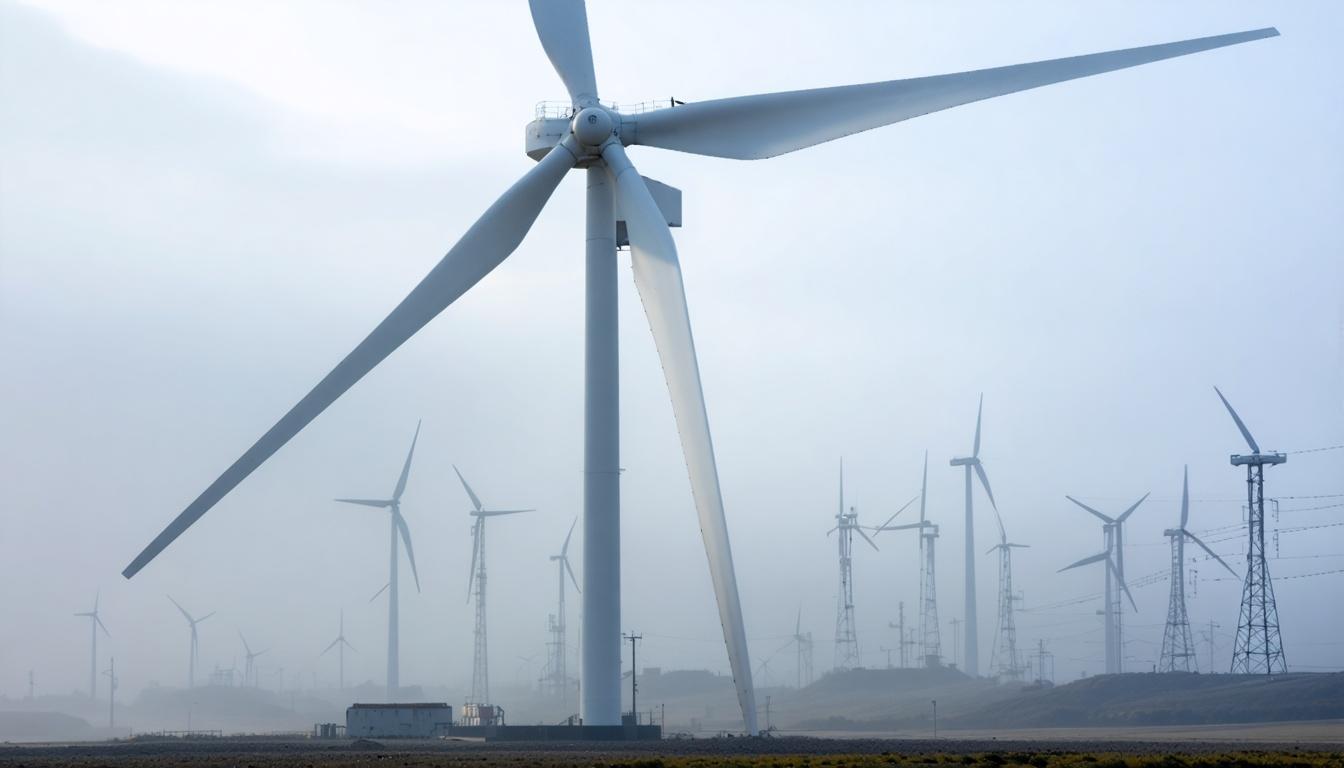
Suzlon’s S144-3.X MW wind turbine generator recorded a product carbon footprint of 6.17 gCO2e/kWh, benchmarked as India’s lowest for wind turbines. This figure is lower than the industry benchmark of 7 gCO2e/kWh and the company’s conventional turbine average of 8.83 gCO2e/kWh. The S144 model uses significantly less steel—38.984 MT per tubular tower section compared to 103.821 MT in conventional models.
Social Impact and Governance
In the social domain, Suzlon conducted over 4,432 CSR activities across 1,268 villages, reaching more than 23 lakh individuals. The company invested ₹87 lakhs in CSR initiatives in Aspirational Districts. Employee diversity metrics showed women comprising 6.52% of the workforce, a 72.61% year-on-year increase, though below the 10% target set for 2030.
Governance frameworks were strengthened with 100% of employees and board members trained on anti-bribery and anti-corruption (ABAC) policies. The company reported zero instances of bribery, corruption, or conflict of interest complaints during the fiscal year.
What the Numbers Show
The divergence between operational decarbonisation and workforce diversity targets is notable. While Suzlon accelerated its environmental metrics—achieving ZWTL and water neutrality years ahead of schedule—its gender diversity progress, despite a sharp YoY jump, remains distant from the 2030 goal. Additionally, the high recycled content in key turbine materials, with fibre reinforced plastic and steel recording 100% recycled content, underscores a strategic shift towards circular economy principles that may reduce long-term raw material dependency.
Historical Stock Returns for Suzlon Energy
| 1 Day | 5 Days | 1 Month | 6 Months | 1 Year | 5 Years |
|---|---|---|---|---|---|
| -3.86% | +7.39% | -4.20% | -19.64% | -24.68% | 0.0% |

How will Suzlon's early achievement of water neutrality and ZWTL certification influence its competitive bidding position in upcoming government renewable energy tenders?
What specific strategic initiatives will Suzlon implement to accelerate female workforce participation from 6.52% to meet its 10% target by 2030?
Could the significant reduction in steel usage per turbine section expose Suzlon to new supply chain risks regarding specialized composite materials or recycled inputs?
 16
16







 Create Custom Screeners
  Access 200+ Pre-built Filters
  Use 50+ Readymade Screener





