

Solaris Energy Q2FY26 Results: Adjusted EBITDA up 30% QoQ to $108 million


- Adjusted EBITDA rose 30% sequentially to $108 million, while revenue increased 12% to $219 million
- Power Solutions segment revenue grew 23% to $158 million, driven by ancillary services and higher capacity utilization
- Company raised Q3 adjusted EBITDA guidance to $90-105 million following the GESA acquisition
- Liquidity strengthened with $1.3 billion in notes issued, ending the quarter with over $800 million in cash
- Dividend declared at $0.12 per share, representing the 32nd consecutive payout

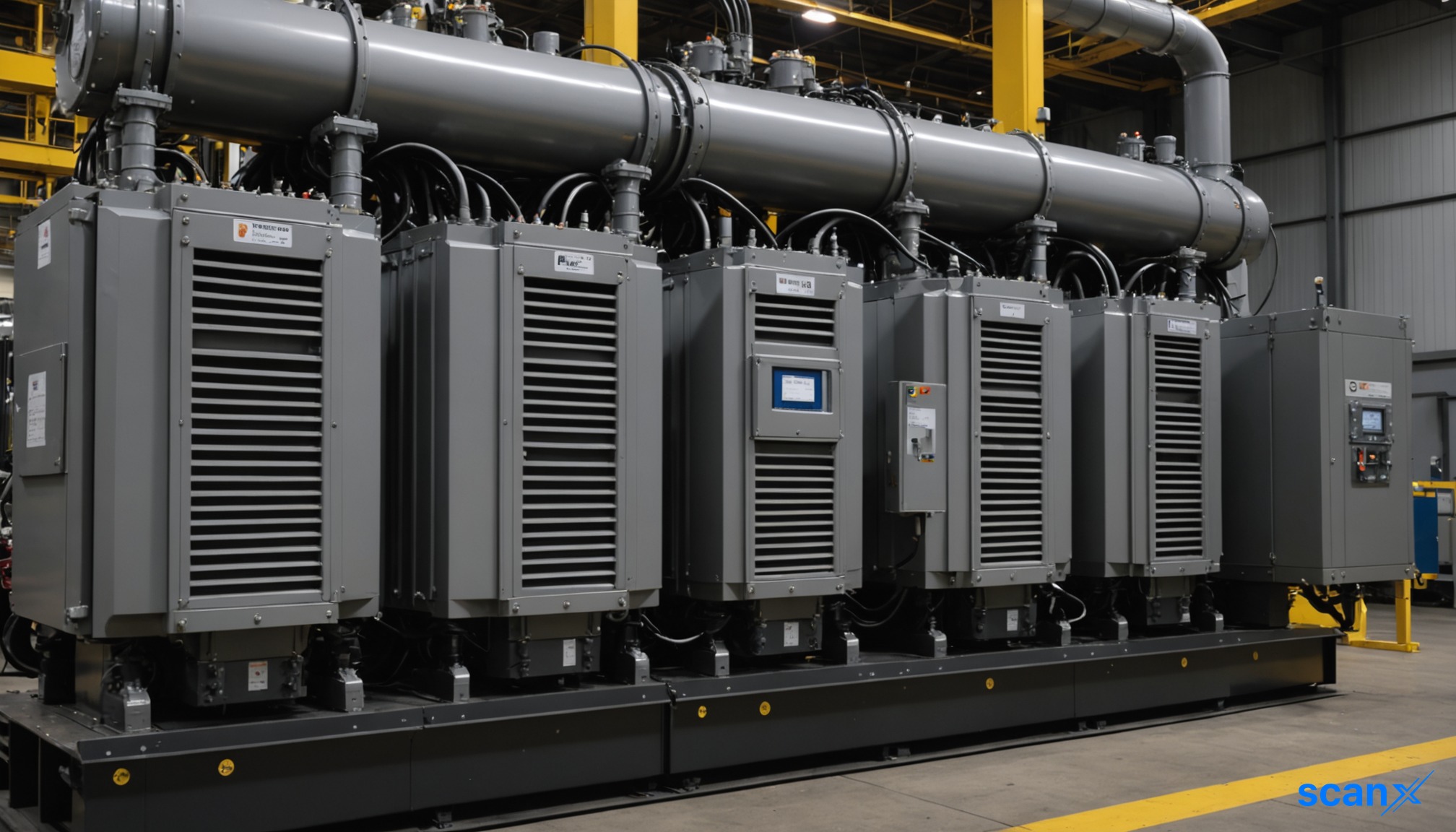

*this image is generated using AI for illustrative purposes only.
Solaris Energy Infrastructure Inc reported record second-quarter fiscal year 2026 results, with adjusted EBITDA rising 30% sequentially to $108 million. Revenue grew 12% quarter-on-quarter to approximately $219 million, driven by strong performance in the Power Solutions segment.
The company’s Power Solutions segment generated revenue of approximately $158 million, a 23% sequential increase, while segment adjusted EBITDA rose 34% to $96 million. This growth was primarily fueled by increased ancillary service revenue and an average of 950 megawatts of capacity earning revenue, up from 910 megawatts in the prior quarter. Conversely, the Logistics segment saw revenue decline 10% to $61 million due to lower last-mile transportation activity, though its adjusted EBITDA increased 7% to $25 million on a more favorable project mix.
Strategic Expansions and Contract Updates
Management highlighted significant contract expansions with three leading investment-grade technology companies. The Hatchbo agreement was amended to convert the original capacity agreement into a comprehensive turnkey solution for a 660-megawatt power plant, extending the term from up to 15 years to up to 18 years. Additionally, scope for a third hyperscaler customer’s contract expanded from 640 megawatts to include incremental balance of plant and energy storage.
The company also finalized the acquisition of Global Energy Services Alliance (GESA), which adds over 600 skilled employees and enhances full-cycle power services capabilities. This acquisition is expected to contribute to the raised third-quarter adjusted EBITDA guidance of $90 to $105 million. Initial fourth-quarter guidance stands at $100 to $120 million, reflecting the ramp-up at the Stateline joint venture and new energizations.
What the Numbers Show
A key analytical observation from the earnings call is the divergence between segment revenues and profitability drivers. While Logistics revenue fell 10%, its EBITDA rose 7%, indicating improved operational efficiency or project mix despite lower volume. Meanwhile, Power Solutions’ EBITDA growth (34%) significantly outpaced its revenue growth (23%), suggesting higher margin contribution from ancillary services rather than just base power generation. This aligns with management’s commentary on the increasing value of balance-of-plant and O&M services within long-term contracts.
Balance Sheet and Capital Allocation
Solaris Energy strengthened its capital structure during the quarter by issuing $1.3 billion in senior unsecured notes and securing a new $650 million revolving credit facility. The company ended the period with over $800 million in cash and a fully undrawn revolver, providing approximately $1.4 billion in total liquidity. Corporate credit ratings were assigned as BB- by S&P, Ba3 by Moody’s, and BB by Fitch.
| Metric | Q2FY26 | QoQ Change |
|---|---|---|
| Revenue | ~$219 million | +12% |
| Adjusted EBITDA | ~$108 million | +30% |
| Net Income | $25 million | N/A |
| Adjusted Pro Forma Net Income | $37 million | N/A |
| EPS (Adjusted) | $0.39 | N/A |
The board approved a third-quarter dividend of $0.12 per share, marking the 32nd consecutive dividend payment. Management emphasized that current contract cash flows are projected to exceed the company’s enterprise value, underscoring confidence in the sustainability of its business model.

How will the integration of GESA's workforce impact Solaris' ability to execute the expanded 660-megawatt turnkey project for Hatchbo within the extended 18-year timeline?
Given the divergence between declining Logistics revenue and rising EBITDA, what specific operational efficiencies or project mix shifts are driving profitability in the transportation segment?
With Power Solutions EBITDA growing faster than revenue due to ancillary services, what is the long-term sustainability of these high-margin service contracts versus base power generation revenue?







 Access 50+ Readymade Screeners
 Use 200+ Custom Filters
 Get Full Market Insights





