

Solaris Energy invests in Deployable Energy for nuclear tech


Solaris Energy Infrastructure has invested in Deployable Energy to co-commercialize deployable microreactor technology. This strategic partnership leverages Solaris's infrastructure deployment expertise and Deployable Energy's factory-made SMR designs to serve critical energy markets like defense and data centers.



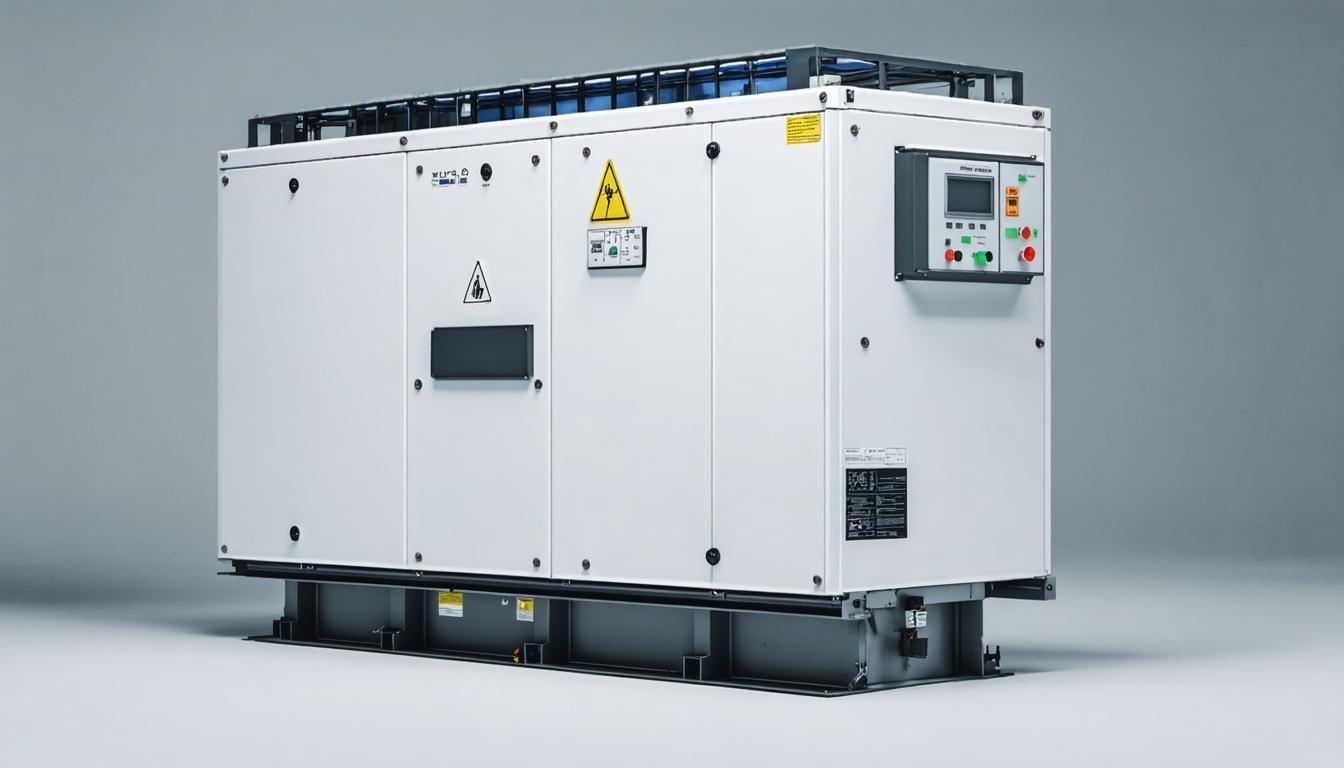
*this image is generated using AI for illustrative purposes only.
Solaris Energy Infrastructure, Inc. (NYSE: SEI) has made an equity investment in Deployable Energy and intends to collaborate on the commercialization of its deployable microreactor technology. Announced on Aug. 10, 2026, the strategic partnership aims to advance the deployment of small modular reactor (SMR) technology for critical energy infrastructure, addressing growing demand for reliable power across defense, industrial, and digital infrastructure markets.
The investment was disclosed by Solaris as part of its second quarter 2026 business update. Solaris stated that the equity stake provides "early exposure to next-generation nuclear technology" and that it will work with Deployable Energy to commercialize its SMR technology, complementing Solaris's existing generation capabilities. The collaboration leverages Deployable Energy's mission to deliver transportable, resilient nuclear power alongside Solaris's experience in deploying, operating, and maintaining distributed energy infrastructure for mission-critical applications.
Strategic Rationale
The relationship combines distinct operational strengths to address supply chain constraints and deployment speed. Solaris brings expertise in generation, distribution, installation, commissioning, aftermarket support, and operations and maintenance across U.S. end markets including data centers, energy, and commercial sectors. Deployable Energy contributes a differentiated design approach focused on rapid deployment, simple operation, and factory-made manufacturing from Houston, Texas.
Bobby Gallagher, CEO and Co-Founder of Deployable Energy, noted that Solaris has established itself as a leader in delivering reliable power infrastructure for demanding applications. He stated that the investment and commercial perspective validate the growing need for next-generation energy solutions that combine resilience, scalability, and long-duration performance. Gallagher added that the collaboration represents an important step in building an ecosystem of strategic partners to accelerate commercial deployment.
Bill Zartler, Founder and Co-CEO of Solaris Energy Infrastructure, highlighted Deployable Energy's execution capabilities, citing the speed shown in getting to first criticality and the approach to avoiding supply chain constraints. Zartler expressed confidence that the Deployable Energy team can turn next-generation nuclear products into reality in the relatively near term.
What the Numbers Show
While specific financial terms of the equity investment were not disclosed, the strategic alignment indicates a shift toward integrated energy infrastructure solutions. The partnership targets sectors where traditional infrastructure cannot reach, suggesting a focus on high-margin, mission-critical applications rather than utility-scale commoditized power. The absence of disclosed monetary values limits immediate financial impact assessment, but the structural nature of the collaboration—combining technology development with infrastructure deployment—suggests long-term revenue synergies rather than short-term capital gains.
Company Profiles
| Company | Description | Headquarters |
|---|---|---|
| Deployable Energy | Builds factory-made microreactors designed for rapid deployment and real-world operations | Houston, Texas |
| Solaris Energy Infrastructure | Delivers comprehensive power infrastructure solutions including generation, distribution, and O&M | Houston, Texas |
Deployable Energy describes itself as building microreactors engineered for simple operation and reliable power where traditional infrastructure cannot reach. Solaris Energy Infrastructure serves multiple U.S. end markets, providing end-to-end power infrastructure solutions from installation to ongoing maintenance.

How will the Nuclear Regulatory Commission's licensing framework for microreactors impact the timeline for Deployable Energy's commercial deployment?
What specific regulatory or supply chain hurdles might delay the integration of deployable nuclear power into data center infrastructure?
How does the total cost of ownership for Deployable Energy's microreactors compare to traditional diesel generators or battery storage for remote industrial sites?
 15










 Access 50+ Readymade Screeners
 Use 200+ Custom Filters
 Get Full Market Insights





