
 NewsSolaris Energy Infrastructure adds over $100M to annual adjusted EBITDA via contract expansions
Solaris Energy Infrastructure adds over $100M to annual adjusted EBITDA via contract expansions


Solaris Energy Infrastructure has expanded three long-term contracts, contributing over $100 million to expected annual adjusted EBITDA. This development reinforces the company’s focus on recurring revenue and long-term financial stability, offering investors enhanced visibility into future performance.

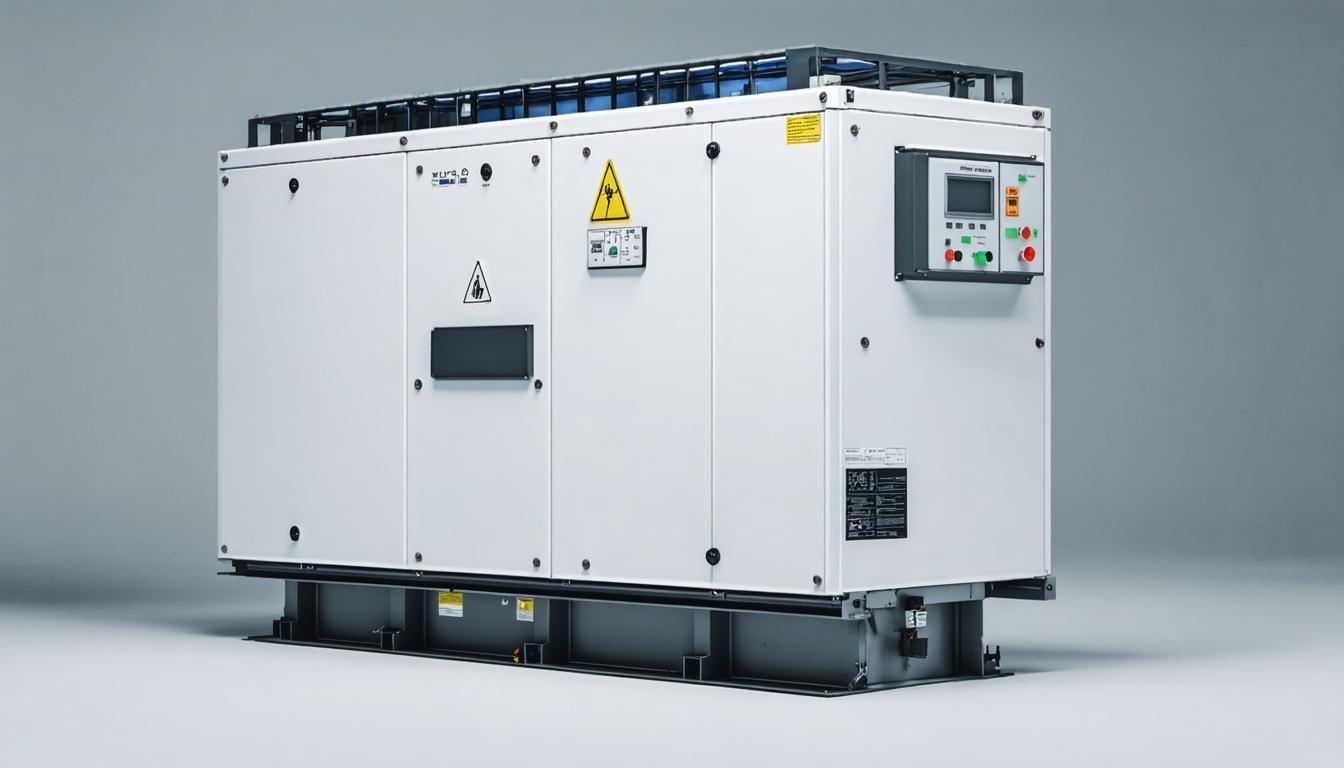

*this image is generated using AI for illustrative purposes only.
Solaris Energy Infrastructure, Inc. (NYSE: SEI) announced the expansion of three long-term contracts, adding more than $100 million to expected annual adjusted EBITDA. The expansions enhance the company’s recurring revenue base and provide greater visibility into future cash flows for investors and stakeholders.
The company stated that these contractual enhancements reflect strong demand for its energy infrastructure services and solidify existing relationships with key clients. By extending the terms and scope of these agreements, Solaris aims to stabilize its earnings profile against market volatility.
Contract Expansion Details
The financial impact of the expanded agreements is summarized below:
| Metric | Value |
|---|---|
| Number of Contracts Expanded | Three |
| Expected Annual Adjusted EBITDA Addition | >$100 million |
These additions represent a significant boost to the company’s profitability metrics, driven by the scale and duration of the renewed commitments.
What the Numbers Show
The addition of over $100 million in annual adjusted EBITDA underscores Solaris Energy Infrastructure’s ability to leverage its existing client base for growth. Rather than relying solely on new customer acquisition, the company is deepening ties with current partners, which typically carries lower execution risk and higher margin stability. This strategy suggests a maturing business model focused on predictable, high-quality earnings rather than volatile project-based income.

How might the increased recurring revenue base influence Solaris Energy Infrastructure's credit rating or cost of capital in the near term?
What specific operational efficiencies or capital allocation strategies will Solaris employ to maximize the margin stability promised by these expanded contracts?
Could the deepening reliance on existing key clients expose Solaris to concentration risk if any of these partners face financial distress or shift their energy strategies?
 20











 Access 50+ Readymade Screeners
 Use 200+ Custom Filters
 Get Full Market Insights





