

Shilchar Technologies cites shipping costs for Q1FY27 revenue dip


Shilchar Technologies reported Q1FY27 revenue of ₹134.60 crore and net profit of ₹20.86 crore, impacted by a 3-5x rise in shipping costs. The order book is ₹500 crore with a 70% domestic mix. Capacity utilization was 60-65%, with expansion Phase-3 on track for April 2027.


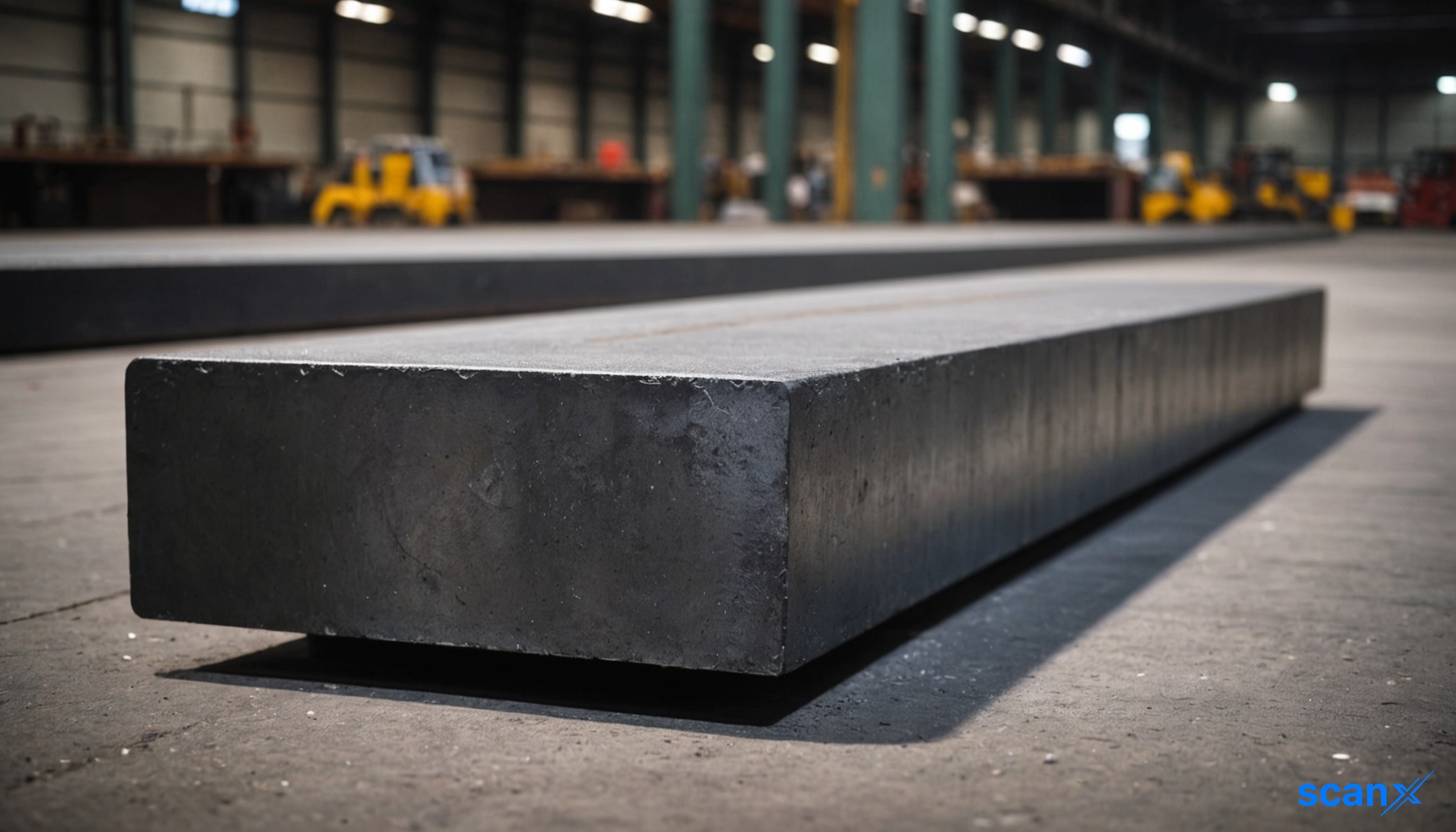
*this image is generated using AI for illustrative purposes only.
Shilchar Technologies management provided context for its Q1FY27 financial results during an earnings conference call held on August 14, 2026. The company reported revenue from operations of ₹134.60 crore and a profit after tax of ₹20.86 crore, marking a significant decline from the corresponding period last year. Managing Director Alay Shah attributed the softer start to the fiscal year primarily to geopolitical tensions in West Asia, which triggered a sharp increase in global shipping costs.
The unaudited financial results were previously published in Business Standard and Vadodara Samachar on August 13, 2026, as per SEBI Listing Regulations. The Board of Directors approved the results on August 11, 2026, with statutory auditors CNK & Associates LLP issuing a limited review report.
Operational Headwinds
Management explained that container costs for certain geographies rose between three to five times compared to pre-crisis levels. This surge materially increased landed costs for customers, leading to deferred orders rather than a collapse in underlying demand. While export terms are largely ex-works, customers are lifting only minimum required volumes due to high procurement costs. On the domestic front, passing on sudden commodity price escalations to existing orders took longer than anticipated, resulting in slower dispatches during April and May. The situation has eased in recent months, with management expecting notably better momentum in Q2FY27.
| Metric: | Q1FY27 (₹ Crore) | Q1FY26 (₹ Crore) | Change |
|---|---|---|---|
| Revenue from Operations: | 134.60 | 158.75 | -15.20% |
| EBITDA: | 29.23 | — | — |
| Net Profit: | 20.86 | 41.49 | -49.70% |
Note: EBITDA for Q1FY27 disclosed in earnings call; Q1FY26 EBITDA not explicitly stated in source.
Order Book and Capacity
Despite the quarterly headwinds, Shilchar Technologies maintains its annual revenue guidance for FY27. The current order book stands at approximately ₹500 crore, comprising orders yet to be shipped. The geographic mix of this order book is currently 70% domestic and 30% export, reflecting a strategic shift to compensate for export delays. Management stated that no orders have been cancelled; deliveries are merely pushed out. New inquiries are ongoing, with expectations for more orders in coming days.
Capacity utilization in Q1FY27 was around 60-65% of the existing 7,500 MVA installed capacity at the Gavasad facility. Management aims to operate at near-full utilization for FY27. The Gavasad Expansion #3, adding 6,500 MVA of capacity, remains on track for commissioning in April 2027. Civil foundation work is complete, and equipment orders are placed. This expansion will raise total annual capacity to 14,000 MVA post-completion.
Margin Outlook
Profitability margins in Q1 reflected a lower export mix and partial pass-through of higher raw material prices. Management noted that about 50-60% of price rises for existing orders were passed on to customers, while new orders are priced at current market rates. Historically, export margins have been approximately 10% higher than domestic margins on a consolidated EBITDA basis. If the geopolitical situation normalizes and exports recover, management is confident in maintaining historical profitability levels. However, a continued reliance on the domestic market may lead to a slight dip in overall margins.
What the Numbers Show
The divergence between the firm’s annual revenue guidance and its Q1 performance highlights the severity of the logistical disruption. With capacity utilization at only 60-65% in Q1, the company absorbed fixed costs over a lower output base, compressing margins. The shift in order book composition to 70% domestic sales suggests a structural change in revenue mix for the near term, potentially impacting the blended margin profile unless export volumes recover quickly. The robust order book of ₹500 crore provides visibility for Q2 and Q3, but the execution timeline depends on resolving shipping cost uncertainties.
Historical Stock Returns for Shilchar Technologies
| 1 Day | 5 Days | 1 Month | 6 Months | 1 Year | 5 Years |
|---|---|---|---|---|---|
| -1.76% | -3.77% | -7.77% | -16.67% | -7.94% | -7.94% |

How might the completion of Gavasad Expansion #3 in April 2027 impact Shilchar Technologies' capacity utilization rates if global shipping costs remain elevated?
What specific hedging strategies or contractual clauses is the company implementing to protect export margins against future geopolitical disruptions in West Asia?
Given the shift to a 70% domestic order book, how does management plan to offset the historically lower domestic EBITDA margins to maintain overall profitability targets for FY27?
 19
19







 Access Market Heat-map & Insights
  Create, Save & Share your Screener
  Use 200+ Screening Filters





